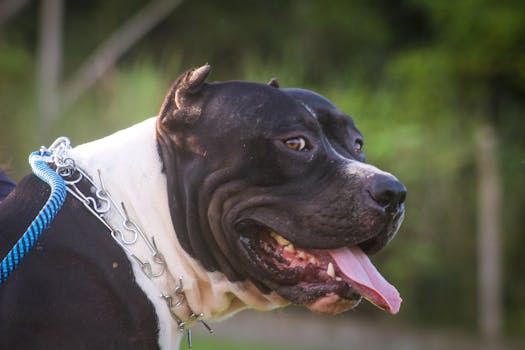
Training a bully puppy, a term often used to describe various breeds like American Pit Bull Terriers, American Staffordshire Terriers, and similar breeds, involves specific strategies to harness their energy and natural tendencies into positive behaviors. These strong and intelligent dogs can become wonderful companions when trained properly. Here are top tips to guide you through the process:
- Start Early and Maintain Consistency
Begin training as soon as you bring your bully puppy home. Early training and socialization are crucial in shaping a well-behaved adult dog. Consistency is key; ensure that everyone in the household adheres to the same rules and commands to avoid confusing your puppy.
- Prioritize Socialization
Proper socialization is critical, especially for bully breeds that might be prone to suspicion or protectiveness. Expose your puppy to a variety of people, pets, and environments. Positive experiences during this formative period can prevent fearful or aggressive behaviors later in life.
.png)
- Implement Positive Reinforcement
Bully breeds respond exceptionally well to positive reinforcement. Rewards such as treats, praise, and play can motivate your puppy to follow commands and behave appropriately. Avoid negative reinforcement, which can lead to fear and aggression.
- Establish Clear Boundaries
From day one, set clear boundaries in your home. Teach your puppy what behaviors are acceptable and what aren’t. Consistent rules help prevent confusion and establish a sense of security for your puppy.
- Keep Training Sessions Short and Engaging
Puppies have limited attention spans. Keep training sessions brief—about 5 to 10 minutes—focusing on one command or behavior at a time. This keeps learning manageable and fun for your puppy.
- Ensure Sufficient Exercise
Bully breeds typically have high energy levels and need plenty of exercise to stay healthy. Regular physical activity helps prevent destructive behaviors like chewing and digging. Plan for daily walks, playtime, and other activities to engage your puppy’s body and mind.
- Emphasize Leash Training
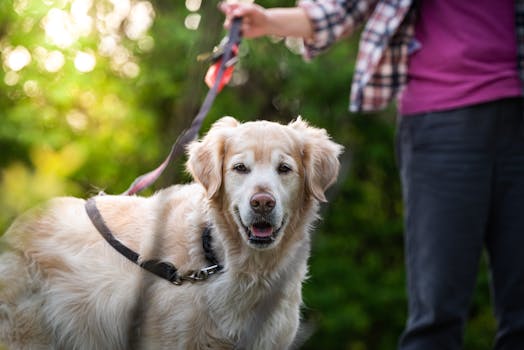
Given their potential size and strength, leash training is essential for managing your bully puppy safely. Begin leash training early to accustom your puppy to walking calmly by your side.
- Address Aggression Early
If you notice aggressive tendencies towards people or other animals, tackle it immediately. Consulting a professional dog trainer or behaviorist can provide you with strategies to manage and correct this behavior effectively.
- Make Training Enjoyable
Training should be a positive and enjoyable experience. Use games and varied activities to make learning engaging. This approach helps reinforce learning and keeps your puppy interested in the training sessions.
- Lead with Calmness and Authority
Dogs often look to their owners for leadership and direction. By remaining calm and assertive, you establish yourself as the pack leader. This leadership helps make training sessions more effective and builds a strong bond between you and your puppy.
By adhering to these tips, you’ll be well on your way to raising a disciplined, friendly, and loyal companion. Remember, the goal of training is not just to promote good behavior, but also to strengthen the bond between you and your bully puppy through trust and mutual respect.