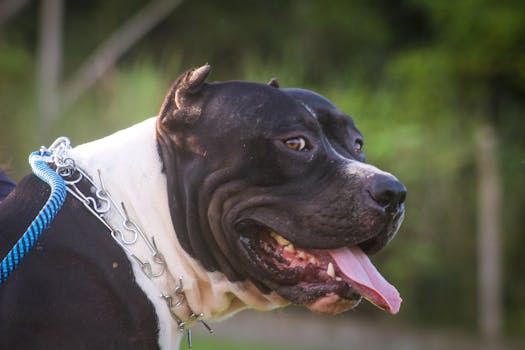
Training an American Bully offers both challenges and rewards, and becoming aware of common pitfalls can greatly enhance the effectiveness of your training efforts. Here are some typical mistakes many owners make and tips on how to avoid them:
- Inconsistent Training
Consistency is crucial in any form of dog training. Inconsistent commands or rules can confuse your American Bully. If you permit a behavior in one scenario but discourage it in another, your dog might struggle to understand the expected behavior. Ensure that you are consistent with your commands and expectations in all situations.
- Neglecting Early Socialization
Proper socialization during the early stages of a puppy's life is essential. American Bullies should be exposed to a variety of environments, people, and other animals. This exposure helps prevent behavioral issues such as aggression and fearfulness. Start socializing your dog early and maintain this practice throughout their life.
.png)
- Over-relying on Negative Reinforcement
While discipline is necessary, solely focusing on negative reinforcement can be detrimental, leading to fear or aggression. Positive reinforcement techniques, such as treats and praise, motivate your dog by rewarding good behavior, making training sessions more enjoyable and effective.
- Skipping Basic Commands
It's important to master basic commands before moving on to more advanced training. Commands like sit, stay, come, and heel are essential for safety and should form the foundation of your training regimen. These basics help in managing your dog's behavior more effectively in various situations.
- Overlooking Exercise Needs
American Bullies are typically energetic and require adequate physical activity to stay healthy and happy. Insufficient exercise can lead to destructive behaviors and general disobedience. Regular walks, playtime, and other physical activities are crucial.
- Lengthy Training Sessions
Dogs have limited attention spans. Lengthy training sessions can lead to boredom and disinterest, which impedes learning. Keep sessions short—about 10-15 minutes—and focus on one specific command or behavior to keep the training engaging.
- Ignoring Your Dog's Individual Learning Style
Like humans, dogs have varied learning styles. Some may respond better to voice commands, while others might find visual cues or physical guidance more effective. Pay attention to how your dog responds best and tailor your training approach accordingly.
- Disregarding Potential Health Issues
Behavioral changes can sometimes signal health problems. For instance, if your American Bully suddenly starts having accidents in the house, it could indicate a health issue rather than a lapse in training. Consult your veterinarian to rule out medical problems when you notice unexpected behavioral changes.
- Impatience and Lack of Persistence
Training a dog demands patience and perseverance. Progress might be slow, and it's important to remain patient and consistent. Every dog learns at their own pace; maintain a positive attitude and continue working with your dog.
- Not Seeking Professional Help When Necessary
If training your American Bully becomes overly challenging, consider enlisting the help of a professional dog trainer. Professional trainers can offer invaluable advice and strategies tailored to your specific situation.
By avoiding these common training mistakes, you will create a more positive and effective training environment for your American Bully. Remember, the goal of training is to build a strong and lasting bond with your dog, rooted in mutual respect and understanding.