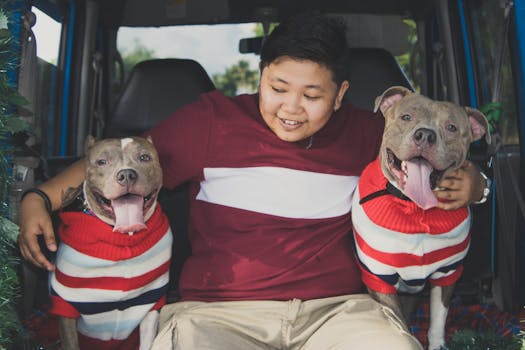
Keeping Your American Bully Healthy: A Comprehensive Guide
The American Bully is a loyal, muscular, and affectionate breed that has won the hearts of many dog lovers around the world. Known for their stocky build and friendly temperament, these dogs thrive on companionship and proper care. However, maintaining an American Bully’s health requires a proactive approach tailored to their unique needs. From nutrition and exercise to regular vet visits and socialization, this comprehensive guide will help you ensure your American Bully enjoys a long, happy, and healthy life.
Understanding the American Bully Breed
.png)
American Bullies are a relatively new breed, originating in the United States during the 1990s. Developed from American Pit Bull Terriers, American Staffordshire Terriers, and other bulldog-type breeds, these dogs were bred for their robust physique and gentle, family-oriented personality. The breed is recognized by organizations such as the United Kennel Club (UKC) and the American Bully Kennel Club (ABKC).
There are several size varieties within the breed: Pocket, Standard, Classic, and XL. An adult American Bully typically weighs between 30 and 150 pounds, depending on their size class. Their average lifespan is about 10 to 13 years, but with diligent care, some can live even longer.
This breed is generally healthy but can be prone to certain hereditary conditions, including hip dysplasia, skin allergies, and cardiac issues. Knowing these risks is the first step in keeping your American Bully healthy throughout their life.
Optimal Nutrition for American Bullies
A balanced diet is fundamental for your American Bully’s overall health, energy, and longevity. Their muscular bodies require high-quality proteins to maintain muscle mass, as well as the right balance of fats and carbohydrates.
Key Nutritional Needs:
- Protein: Aim for a diet with at least 25-30% quality animal protein. Sources like chicken, beef, lamb, or fish support muscle growth and repair.
- Fats: Healthy fats, such as omega-3 and omega-6 fatty acids, are crucial for skin, coat, and brain health. Look for foods with fish oil or flaxseed oil.
- Carbohydrates: Complex carbs, like brown rice and sweet potato, provide steady energy without causing blood sugar spikes.
- Vitamins and Minerals: Ensure your Bully’s food includes calcium, phosphorus, zinc, and vitamins A, E, and D for bone strength and a robust immune system.
Feeding Guidelines:
- Puppies (up to 12 months): 3-4 meals per day, totaling 20-30 calories per pound of body weight.
- Adults: 2 meals per day, about 25-30 calories per pound.
- Seniors: 2 smaller meals per day, adjusting for reduced activity and metabolism.
Always provide access to fresh water and avoid feeding human foods harmful to dogs, such as chocolate, grapes, onions, and garlic.
Comparison of Popular American Bully Diets
| Diet Type | Protein Content (%) | Main Ingredients | Pros | Cons |
|---|---|---|---|---|
| Kibble (Dry Food) | 22-32 | Chicken, Beef, Rice, Corn | Convenient, affordable, long shelf life | May contain fillers, less moisture |
| Raw Diet | 35-50 | Raw meat, bones, organs, veggies | High protein, natural ingredients | Time-consuming, risk of bacteria |
| Wet Food | 8-12 | Meat, broth, grains, veggies | Palatable, hydrating | Expensive, less protein per serving |
| Homemade Diet | Varies | Owner-selected meats, grains, veggies | Customizable, fresh | Requires research, risk of imbalance |
Regular Exercise and Mental Stimulation
American Bullies are energetic and athletic, requiring daily exercise to stay healthy and happy. Insufficient physical activity can lead to obesity, behavioral issues, and joint problems.
Recommended Activities:
- Daily walks: At least 30-60 minutes of walking or jogging.
- Playtime: Tug-of-war, fetch, and agility games are great for burning energy.
- Socialization: Visits to the dog park or playdates with other friendly dogs.
In addition to physical exercise, mental stimulation is crucial. Puzzle toys, obedience training, and interactive games help prevent boredom and keep your Bully’s mind sharp.
Fact: According to the Association for Pet Obesity Prevention, 56% of dogs in the United States are overweight or obese. Regular exercise can significantly reduce your American Bully’s risk of obesity, which is linked to arthritis, diabetes, and heart disease.
Routine Veterinary Care and Vaccinations
Routine veterinary visits are the cornerstone of preventive health care. It’s recommended to visit the vet at least once a year for a full wellness check, and more often for puppies and seniors.
Key Health Checks:
- Vaccinations: Core vaccines include rabies, distemper, parvovirus, and adenovirus. Non-core vaccines may be recommended based on your location and lifestyle.
- Parasite Control: Regular deworming and flea/tick prevention are essential.
- Dental Care: Dental disease is one of the most common health problems in dogs. Brush your Bully’s teeth regularly and ask your vet about professional cleanings.
- Screening for Hereditary Conditions: Hip and elbow dysplasia, cardiac exams, and skin checks are especially important for this breed.
Spaying or neutering your American Bully can also reduce the risk of certain cancers and prevent unwanted litters. According to the American Veterinary Medical Association, spayed or neutered dogs live 18-23% longer than intact dogs.
Grooming and Skin Care
While American Bullies have short, glossy coats that require minimal grooming, their skin can be sensitive. Regular grooming keeps their coat healthy and allows you to check for issues like hot spots, rashes, or lumps.
Grooming Tips:
- Brushing: Brush once a week to remove loose hair and distribute skin oils.
- Bathing: Bathe your Bully every 4-6 weeks or as needed, using a gentle dog shampoo.
- Nail Trimming: Trim nails every 2-4 weeks to prevent painful cracking.
- Ear Cleaning: Clean ears once a week to prevent infections, especially since Bullies have folded ears that can trap moisture.
Watch for signs of allergies, such as excessive scratching, licking, or red skin. Common allergens include certain foods, pollen, and dust mites. Your vet can help identify and treat allergy triggers.
Socialization and Behavioral Wellbeing
A well-socialized American Bully is confident, friendly, and well-mannered. Early and ongoing socialization is vital to prevent fearfulness or aggression as they mature.
Socialization should start as early as 8 weeks old and include exposure to:
- Different people (adults, children, seniors)
- Other dogs and animals
- Various environments (parks, busy streets, stores)
- Everyday sights and sounds (cars, bicycles, vacuum cleaners)
Positive reinforcement training builds trust and helps your dog learn commands and appropriate behaviors. Reward-based methods are effective with this intelligent and eager-to-please breed.
Fact: The American Veterinary Society of Animal Behavior recommends exposing puppies to a wide variety of people, places, and experiences before 16 weeks of age for the best outcomes in adult behavior.
Common Health Issues in American Bullies
While American Bullies are generally robust, they are susceptible to certain hereditary and environmental health problems. Understanding these risks can help you act early and work with your vet to minimize complications.
Common Issues:
- Hip and Elbow Dysplasia: Affects 20-30% of Bullies, leading to arthritis and mobility issues. Weight management and joint supplements can help.
- Skin Allergies: Up to 50% may experience atopic dermatitis, requiring dietary adjustments or medication.
- Heart Disease: Enlarged heart (dilated cardiomyopathy) can occur, especially in larger Bullies.
- Obesity: Due to their stocky build, weight gain can quickly strain joints and organs.
Early detection, regular exercise, and a healthy diet are your best defenses against these conditions.
Conclusion
Keeping your American Bully healthy is a rewarding responsibility that pays off in unconditional love and companionship. With the right balance of nutrition, exercise, veterinary care, grooming, and socialization, your Bully can lead a vibrant, joyful life. Remember, every dog is unique, so pay attention to your Bully’s individual needs and consult your veterinarian for tailored advice. By staying informed and proactive, you’re giving your American Bully the best chance at a long and happy life.