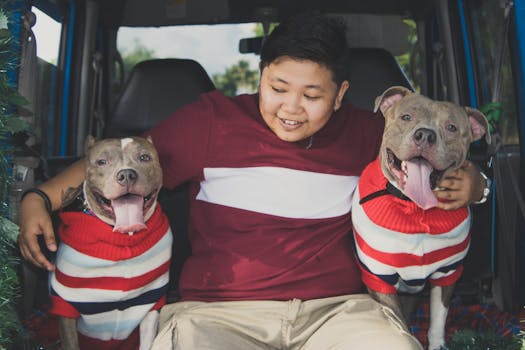
Tailored Care for Bully Breeds: Meeting Their Unique Needs
Caring for bully breeds, such as American Pit Bull Terriers, Staffordshire Bull Terriers, and American Bulldogs, requires a deep understanding of their distinctive traits and requirements. Known for their muscular build and often misunderstood due to historical stereotypes, bully breeds are actually among the most loyal, intelligent, and affectionate pets. To ensure that these dogs lead fulfilling lives, it’s essential to adopt care practices that address their specific needs. Here, we explore several crucial aspects of caring for bully breeds.
- Understanding Bully Breeds
Bully breeds were originally bred for their strength and tenacity, but today, they are primarily loved as companion animals. Despite their formidable appearance, these dogs are known for their loving nature and thrive on close human relationships. They also possess a high energy level and require both physical and mental stimulation to stay healthy.
.png)
- Emphasizing Proper Socialization
Socialization is key in nurturing a well-rounded dog, but it is especially critical for bully breeds. Early and consistent exposure to different people, animals, and environments helps mitigate tendencies toward fearfulness or aggression—traits commonly misattributed to these breeds. Activities like visiting dog parks, taking varied walking routes, and attending pet-friendly events are excellent for social exposure.
- Implementing Effective Training Techniques
Bully breeds are quick learners who respond well to positive reinforcement—treats, praise, and play. Training sessions are an opportunity to establish leadership in a respectful and loving manner, which in turn reinforces your dog's trust and compliance. It's important to avoid harsh disciplinary methods, which can damage your relationship and potentially exacerbate behavioral issues.
- Meeting Their Exercise Requirements
Given their high energy levels, bully breeds require ample exercise to avoid boredom and its associated behaviors, such as chewing or excessive barking. Daily physical activities like walks, runs, and interactive play are crucial. Engaging your dog in sports like agility or activities like tug-of-war can also help manage their energy positively.
- Prioritizing Health Care
While generally robust, bully breeds are prone to specific health issues such as hip dysplasia, heart conditions, and allergies. Regular veterinary visits for preventive care and early disease detection are vital. Maintaining a balanced diet and routine exercise regimen will also support their overall health.
- Addressing Nutritional Needs
A high-quality diet suited to their specific health requirements is crucial for bully breeds. Look for dog foods with real meat as the primary ingredient and without unnecessary fillers. Depending on your dog’s health, you may need to consider foods that support joint health or are hypoallergenic.
- Grooming Essentials
Despite their short hair, bully breeds benefit from regular grooming. Routine bathing, brushing, and nail trimming are necessary, along with regular ear checks to prevent infections. Grooming sessions also serve as bonding time, strengthening your emotional connection.
- Navigating Legal Considerations
Awareness of local laws regarding bully breeds is crucial due to breed-specific legislation (BSL) that may impose restrictions. Ensuring your dog is microchipped and wears ID tags can help address legal concerns and aid in recovery if your dog gets lost.
- Promoting Positive Community Interactions
As a bully breed owner, you can influence public perception by educating others about the breed's true nature. Sharing positive experiences and promoting responsible pet ownership can help reduce stigma and foster community acceptance.
Conclusion
Adopting a tailored approach to care is essential for the well-being of bully breeds. By understanding their specific needs and advocating for these misunderstood dogs, owners can ensure their pets are both healthy and happy members of society. With the right care, training, and socialization, bully breeds can truly thrive as beloved family companions.