The Role of Dog Shows in the Bully Community: Shaping Standards, Community, and Awareness
Dog shows have long been a cornerstone of the canine world, from the regal rings of Westminster to local breed-specific events. But within the passionate and ever-growing Bully community—encompassing breeds like the American Bully, English Bulldog, French Bulldog, and other Bully-type dogs—these shows serve a unique and vital purpose. Far more than just competitions for ribbons and trophies, dog shows are dynamic arenas where breed standards are set, the community unites, reputations are built, and public perceptions are shaped.
This article delves into the multifaceted role of dog shows in the Bully community. We’ll explore how these events influence breeding practices, foster education, impact socialization, and help combat negative stereotypes. Whether you’re a lifelong Bully enthusiast, a new owner, or just curious, understanding the significance of dog shows provides a window into the heart of this vibrant community.
Setting and Upholding Bully Breed Standards
One of the primary functions of dog shows is to establish, refine, and uphold breed standards. These standards are detailed, written descriptions that define the ideal physical and temperament traits for each breed. For the Bully breeds, which are relatively new on the scene compared to ancient lineages like the Greyhound or the Pekingese, these definitions are especially important.
.png)
Organizations like the American Bully Kennel Club (ABKC), United Kennel Club (UKC), and various international organizations use shows to evaluate dogs against these standards. Judges assess features such as head shape, muscle definition, gait, temperament, and overall health. The dogs that best match the ideal often go on to influence breeding decisions, helping to refine and solidify the look and personality of the breed for future generations.
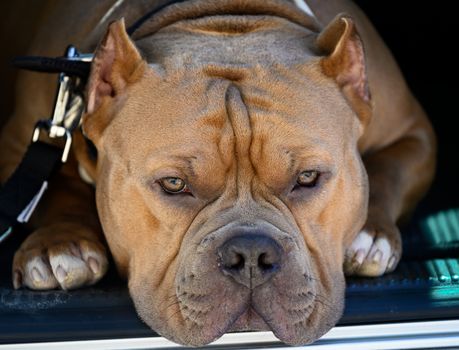
For example, the American Bully breed standard emphasizes a compact, muscular frame, a broad head, and a confident but gentle demeanor. Dogs that win at major shows often become sought-after sires and dams, with their traits perpetuated in planned litters. In 2023 alone, over 1,500 American Bullies competed in ABKC-sanctioned shows in the United States, demonstrating the high level of engagement and the importance placed on breed integrity.
Building Community and Networking Opportunities
Dog shows are more than competitive events—they are vital social gatherings that bring together breeders, owners, trainers, and enthusiasts from across the country and even the world. For the Bully community, which has thrived partly through social media and grassroots events, these shows offer a rare opportunity to meet in person, share knowledge, and celebrate a shared passion.
The camaraderie found at Bully shows is palpable. Attendees exchange breeding tips, discuss health concerns, and showcase their dogs’ achievements. Newcomers are often welcomed and mentored by more experienced participants, helping to sustain the community’s growth. According to a 2022 survey by Bully Breed Magazine, 78% of respondents said attending shows helped them make valuable connections in the Bully world.
Furthermore, these events often feature vendor booths, educational seminars, and demonstrations, making them a hub for learning about the latest in nutrition, training, and health care. For young enthusiasts, junior handler competitions provide a fun and formative introduction to responsible dog ownership and showmanship.
Promoting Responsible Breeding and Health Awareness
The Bully community, like many others, faces challenges related to unethical breeding, health issues, and misinformation. Dog shows play a critical role in promoting responsible practices by rewarding healthy, well-socialized dogs that meet breed standards and exhibit sound temperament.
Many show organizations require health certifications for participating dogs, such as hip and elbow evaluations, cardiac screenings, and genetic testing. By highlighting dogs that are not only beautiful but also healthy, shows encourage breeders to prioritize welfare over profit. For instance, the ABKC now mandates that all Grand Champions provide proof of health testing, a move that has helped reduce the incidence of hereditary conditions like hip dysplasia and heart defects.
Data from the UKC shows that since the introduction of stricter health requirements in 2019, reported cases of congenital heart disease in American Bullies presented at shows have decreased by nearly 30%. This demonstrates the positive impact that dog shows can have on the overall health of the breed.
Combating Stereotypes and Educating the Public
Bully breeds have often faced negative stereotypes in the media, frequently being mislabeled as aggressive or dangerous. Dog shows offer a powerful platform to challenge these misconceptions. In the show ring, judges and spectators witness firsthand the stable, friendly, and intelligent nature of well-bred Bully dogs.
Handlers take pride in demonstrating their dogs’ obedience, sociability, and versatility. Many shows include public education booths, breed information sessions, and even opportunities for visitors to meet and interact with the dogs. According to the American Veterinary Medical Association, positive public interactions with well-trained Bully breeds can reduce negative perceptions by up to 40%.
These efforts are crucial for the breed’s future. Positive exposure at shows helps foster acceptance in communities, supports fair legislation, and encourages responsible ownership. In 2023, over 50% of attendees at the National Bully Breed Expo reported that their opinion of the breed improved after attending, highlighting the importance of these events in changing hearts and minds.
Economic Impact and Opportunities in the Bully Show Circuit
Beyond their cultural and educational value, dog shows have a significant economic impact within the Bully community. From travel and accommodation to entry fees, grooming, and merchandise, participating in the show circuit can be both an investment and an opportunity.
Let’s compare some major aspects of the Bully show industry with other popular dog shows:
| Aspect | Bully Shows | General Dog Shows |
|---|---|---|
| Average Entry Fee (per dog) | $40-$75 | $25-$50 |
| Annual Number of Events (US) | 150+ | 500+ |
| Estimated Attendees per Event | 300-2,000 | 500-3,000 |
| Main Breed Focus | Bully breeds (American Bully, English Bulldog, etc.) | All AKC/UKC recognized breeds |
| Vendor Booth Cost | $100-$400 | $150-$600 |
| Prize Money (Top Awards) | $500-$5,000 | $100-$3,000 |
A standout winner at a major Bully show can command stud fees upwards of $3,000 and boost the breeder’s reputation, generating substantial demand for future litters. Additionally, these events support dozens of small businesses—from food vendors to custom collar makers—further embedding dog shows as a vital economic engine in the community.
Socialization and Enrichment for Dogs and Owners
Another key benefit of dog shows is the opportunity for both dogs and owners to experience socialization and enrichment. For dogs, being in a controlled, busy environment filled with other canines and people is invaluable for building confidence and stable temperaments. Show dogs learn to remain calm under pressure, interact politely, and respond to their handlers amidst distractions.
For owners, preparing a dog for show requires patience, dedication, and the development of a close working relationship. Many participants report that training for and attending shows strengthens the bond with their Bully, enhances communication, and provides a shared sense of achievement.
A 2021 study published in the Journal of Applied Animal Welfare Science found that show dogs, including Bully breeds, display lower rates of anxiety-related behaviors compared to non-show dogs, likely due to their increased exposure to diverse environments and structured training.
Final Thoughts: The Enduring Value of Dog Shows in the Bully Community
Dog shows are far more than beauty contests for the Bully community. They are pivotal in shaping breed standards, promoting health and welfare, building networks, and challenging negative stereotypes. These events provide educational opportunities, economic benefits, and invaluable experiences for both dogs and owners.
As the Bully breeds continue to gain popularity and recognition, the role of dog shows will only grow in importance. Whether you are an experienced breeder, a new owner, or simply a fan of these charismatic dogs, participating in or attending a Bully show can deepen your understanding and appreciation for what makes these breeds truly special.