Caring for an American Bully goes beyond feeding and exercise—grooming is a fundamental aspect that directly impacts your dog’s health, comfort, and appearance. While the American Bully’s short, glossy coat may seem low-maintenance, this breed has unique grooming needs that every owner should understand. Proper grooming can reduce shedding, prevent skin infections, and even strengthen the bond between you and your canine companion. In this comprehensive guide, you'll discover expert tips that go far beyond occasional brushing, helping your American Bully look and feel their best year-round.
Understanding the American Bully’s Coat and Skin
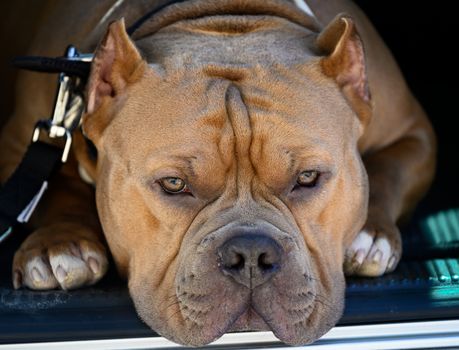
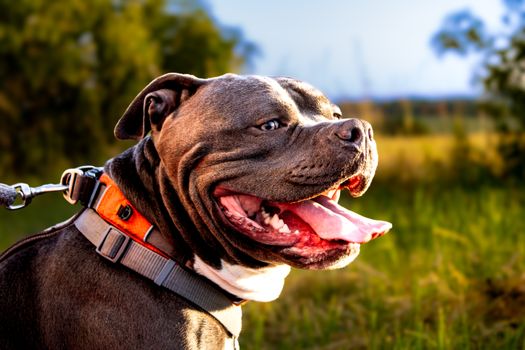
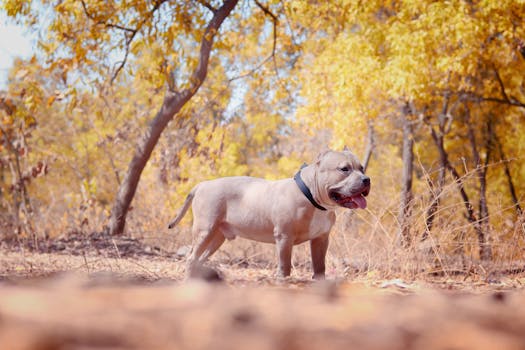
American Bullies are known for their smooth, short coats, which come in a variety of colors and patterns. Unlike long-haired breeds, they don’t require daily brushing, but their skin and coat still need regular attention. The breed’s dense, single-layer coat means dirt and oils can accumulate quickly on the skin, leading to irritation if not managed properly.
A 2021 survey by the American Pet Products Association found that over 36% of dog owners reported skin issues in short-haired breeds, with improper grooming being a common cause. American Bullies are also prone to certain skin sensitivities, including allergies and hotspots, making tailored grooming routines particularly important.
.png) Key facts about the American Bully’s coat:
- Single, short, glossy coat (usually less than 1 inch in length)
- Moderate seasonal shedding (spring and fall)
- Prone to dry skin and minor allergies
Key facts about the American Bully’s coat:
- Single, short, glossy coat (usually less than 1 inch in length)
- Moderate seasonal shedding (spring and fall)
- Prone to dry skin and minor allergies
Understanding these characteristics lays the foundation for effective grooming, ensuring you target the actual needs of your Bully, not just the basics.
Brushing Techniques for Reduced Shedding and Healthy Skin
While American Bullies don’t require elaborate grooming, regular brushing is vital for managing shedding and maintaining healthy skin. Brushing distributes natural oils, removes loose hair, and provides an opportunity to check for skin issues.
The best tools for the job: - Rubber curry brush: Gently removes loose hair and massages the skin. - Soft-bristle brush: Ideal for a finishing touch, adding shine. - Shedding blade: Useful during heavy seasonal shedding.A weekly brushing session is generally sufficient, but during the spring and fall—when shedding peaks—increase to 2-3 times per week. In a single 10-minute session, you can remove up to 80% of loose fur, according to a 2022 study by the National Canine Research Council.
Technique matters: - Use short, gentle strokes in the direction of hair growth. - Focus on high-friction areas: behind the ears, chest, and underarms. - Always check for skin redness, bumps, or parasites as you brush.Not only does regular brushing reduce hair on your furniture, but it can also minimize the risk of common skin infections by keeping the coat clean and free of debris.
Bathing Your American Bully: Frequency and Product Choices
One of the most common mistakes owners make is overbathing. Unlike some breeds, American Bullies do not need frequent baths—too many can strip essential oils and dry out their sensitive skin.
Recommended bathing frequency: - Every 6-8 weeks under normal conditions - After exposure to mud, allergens, or excessive dirt - More often if your Bully has a diagnosed skin condition (as directed by a veterinarian)Choosing the right shampoo is critical. Human shampoos are too harsh for dogs and can significantly disrupt the pH balance of your Bully’s skin, increasing the risk of irritation and infection.
Key shampoo features to look for: - Hypoallergenic formulas (especially for sensitive skin) - Oatmeal or aloe-based ingredients for soothing effects - No artificial fragrances or colorsFor comparison, here’s a quick overview of recommended vs. non-recommended bathing products:
| Product Type | Recommended? | Reason |
|---|---|---|
| Dog-specific, hypoallergenic shampoo | Yes | Gentle on skin, maintains natural oils, prevents irritation |
| Medicated dog shampoo | Conditional | Use only as prescribed for skin conditions |
| Human shampoo | No | Too harsh, disrupts skin pH, causes dryness |
| Dish soap or detergents | No | Strips oils, can cause severe irritation |
After bathing, thoroughly dry your Bully with a towel, paying attention to skin folds and between the toes to prevent fungal growth.
Nail, Paw, and Ear Care: Preventing Common Issues
Grooming isn’t just about the coat—neglecting nails, paws, and ears can lead to pain and infections. American Bullies are active dogs, but their nails may not wear down naturally, especially if they spend most time on soft surfaces.
Nail care: - Trim nails every 3-4 weeks; if you hear clicking on the floor, it’s time! - Use a guillotine-style or scissor-style nail clipper. - Avoid cutting into the quick (the pink part); for dark nails, trim small amounts.A 2019 survey by the American Veterinary Medical Association found that 52% of dog injuries in the home were related to overgrown nails causing slips or torn nail beds.
Paw care: - Inspect paws weekly for cracks, cuts, or foreign objects. - Apply paw balm in winter or on hot pavement to prevent burns or dryness. Ear care: - Clean ears every 2-4 weeks using a vet-approved ear cleaner. - Never insert cotton swabs deep into the ear canal—wipe only visible areas. - Watch for redness, odor, or discharge, which could indicate infection.Regular attention to these areas not only keeps your Bully comfortable but also helps you catch potential health issues early, avoiding costly vet bills and discomfort.
Dental Hygiene: More Than Just Fresh Breath
Dental disease is one of the most overlooked health issues in American Bullies. According to the American Veterinary Dental Society, over 80% of dogs show signs of oral disease by age three. Poor dental hygiene can lead to bad breath, tooth loss, and even systemic issues like heart or kidney disease.
Essential dental care practices: - Brush your Bully’s teeth 2-3 times a week with dog-specific toothpaste. - Offer dental chews and toys designed to reduce tartar. - Schedule professional cleanings with your veterinarian at least once per year. Signs your Bully may need dental attention: - Persistent bad breath - Difficulty chewing or excessive drooling - Red or bleeding gumsMaintaining your dog’s dental health not only gives them a winning smile but also boosts their overall well-being and longevity.
Grooming Tools and DIY vs. Professional Grooming
Investing in the right grooming tools can make the process easier and more enjoyable for both you and your American Bully. While many tasks can be done at home with a little practice, there are situations where a professional groomer is invaluable.
Recommended DIY grooming kit: - Rubber curry brush and soft-bristle brush - Nail clippers or grinder - Ear cleaning solution and cotton pads - Dog-safe toothpaste and toothbrush - Paw balm When to opt for professional grooming: - If your dog is extremely anxious or resistant to grooming - For thorough de-shedding during heavy shedding seasons - If you notice skin, ear, or nail issues you’re uncomfortable addressingProfessional grooming sessions typically cost between $40-$80, depending on your location and services provided. A hybrid approach—routine care at home, with occasional professional visits—often yields the best results for both your Bully’s health and your wallet.
Long-Term Benefits of Routine Grooming for American Bullies
Establishing a consistent grooming routine offers far more than just a clean, good-looking dog. Regular grooming helps you detect early signs of health issues such as lumps, skin infections, or parasites. It reduces the risk of painful matting or overgrown nails, cuts down on allergens in your home, and strengthens the bond between you and your American Bully.
A recent study from the University of Lincoln (2020) showed that dogs who underwent regular grooming exhibited 30% fewer behavioral issues related to anxiety and were more comfortable with handling by both owners and veterinarians.
Grooming sessions can become positive, calming experiences for your dog, building trust and making other aspects of care—like vet visits or training—much easier in the long run.