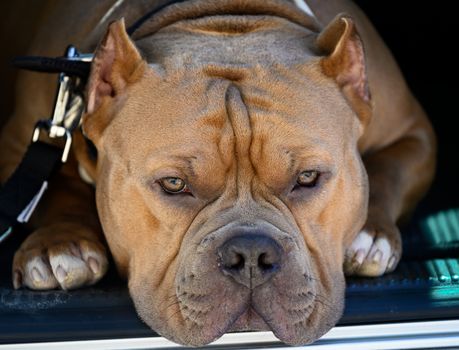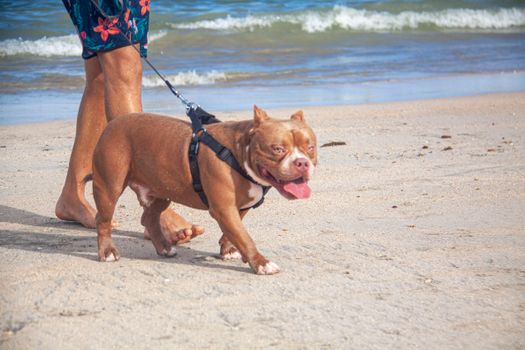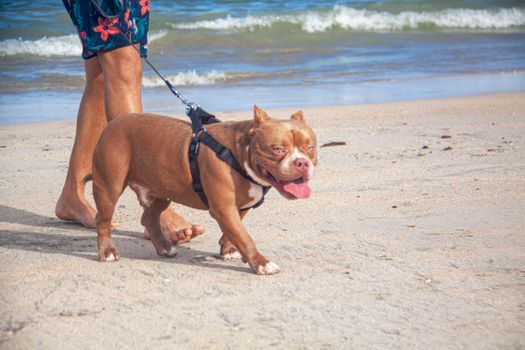
The American Bully is a unique and charismatic breed, known for its muscular build, affectionate temperament, and boundless energy. Behind their powerful physique lies a simple truth: proper nutrition is the foundation for their health, longevity, and well-being. Whether you're a new Bully owner or a seasoned enthusiast, understanding the nutritional needs of an American Bully is vital to helping your dog thrive. This guide explores the key dietary requirements, feeding routines, and special considerations tailored to the breed, so you can make confident, informed decisions about your Bully’s diet.
The American Bully’s Unique Metabolic Demands
American Bullies are often celebrated for their robust and athletic bodies. What many don’t realize is that these physical traits are directly tied to specialized nutritional needs. Unlike smaller or more sedentary breeds, American Bullies have a higher proportion of lean muscle mass. According to a 2023 study by the American Veterinary Medical Association, active bully breeds require up to 25% more calories per pound of body weight than similarly sized, less active dogs.
This increased caloric demand isn’t just about quantity, but also quality. Their diets should be rich in high-quality proteins to support muscle maintenance and repair. Furthermore, because muscle tissue burns more calories at rest, Bullies benefit from a balanced mix of fats and carbohydrates for sustained energy throughout the day.
.png)
Macronutrients: Building Blocks for Health and Strength
The three primary macronutrients—protein, fat, and carbohydrates—form the backbone of the American Bully’s diet. Each plays a distinct role in maintaining their health and physical condition.
Protein: The Foundation of Muscle
- Puppies (up to 12 months): Require diets with 22-32% protein content to support rapid growth and muscle development. - Adults: Benefit from 20-28% protein to maintain muscle mass and strength. - Seniors: Slightly lower protein (18-22%) can help prevent kidney strain while still supporting lean tissue.Sources matter as much as percentages. Look for animal-based proteins (chicken, beef, turkey, fish) as these contain the full spectrum of essential amino acids.
Fats: Energy and Coat Health
- Essential fatty acids, like Omega-3 and Omega-6, promote a shiny, healthy coat and reduce inflammation. - Fats should make up 10-18% of your Bully’s total dietary intake. - Fish oil, flaxseed, and chicken fat are excellent sources.Carbohydrates: Fuel for Activity
- While not strictly essential, complex carbohydrates such as brown rice, sweet potatoes, and oatmeal provide slow-burning energy and support digestive health. - Aim for a diet where carbs make up 30-50% of total calories, depending on your Bully’s activity level.Vitamins, Minerals, and Supplements: Fine-Tuning Their Diet
Beyond macronutrients, American Bullies need a precise blend of vitamins and minerals to ward off deficiencies and promote overall health. For example:
- Calcium and phosphorus are essential for bone development, particularly in growing puppies. The recommended calcium-to-phosphorus ratio is 1.2:1 to avoid skeletal issues. - Vitamin E and selenium support immune health and help prevent muscle degeneration. - Zinc and biotin are crucial for maintaining healthy skin and a lustrous coat.Supplements can sometimes play a role, especially for dogs with specific needs. However, consult your veterinarian before adding supplements to avoid toxicity or imbalances.
Comparing Commercial, Raw, and Homemade Diets
American Bully owners often debate the merits of commercial kibble, raw diets, or homemade meals. Each approach offers unique benefits and challenges. The table below summarizes key differences:
| Diet Type | Key Benefits | Potential Drawbacks | Average Monthly Cost (USD) |
|---|---|---|---|
| Commercial Kibble | Convenient, nutritionally balanced, widely available | May contain fillers, some dogs have allergies | $40–$80 |
| Raw Diet (BARF/PMR) | High protein, natural ingredients, promotes dental health | Risk of pathogens, requires careful balance, more prep time | $90–$200 |
| Homemade Cooked | Full control over ingredients, can tailor for allergies | Time-consuming, risk of nutritional imbalance if not properly formulated | $70–$150 |
A 2021 survey by the Association for Pet Obesity Prevention found that 36% of American Bully owners opted for commercial kibble, while 24% used raw diets, and 18% prepared homemade meals. The remaining 22% combined two or more methods. The best choice depends on your lifestyle, budget, and your Bully’s unique needs.
Feeding Schedules and Portion Control for Optimal Weight
Obesity is a growing concern among companion dogs, and American Bullies are no exception. According to the 2022 American Pet Products Association report, approximately 54% of American Bullies in the U.S. are overweight or obese. Overfeeding can lead to joint problems, heart disease, and a shortened lifespan.
A structured feeding schedule is crucial. Puppies should be fed three to four times daily to support steady growth. By one year of age, most Bullies do well on two meals per day. Portion sizes should be calculated based on your pet’s age, weight, and activity level. For example, an adult American Bully weighing 70 pounds typically requires 1,400–1,800 calories per day, but this varies by individual metabolism and exercise.
Regularly monitor your dog’s body condition using the Body Condition Score (BCS) chart, feeling for ribs and observing waistline definition. Adjust portions as needed and consult your veterinarian if you notice rapid weight gain or loss.
Special Dietary Considerations for American Bullies
Every American Bully is unique, and some may have specific dietary needs or sensitivities. Common issues include:
Food Allergies and Intolerances
Bullies can be prone to allergies, especially to common proteins like chicken or grains like corn and wheat. Signs include itching, ear infections, and digestive upset. If your Bully shows these symptoms, try limited-ingredient diets or novel protein sources (duck, salmon, lamb).
Joint and Mobility Support
Because Bullies are heavy-set and muscular, they’re susceptible to joint stress and conditions like hip dysplasia. Diets rich in Omega-3 fatty acids, glucosamine, and chondroitin can help support joint health. Some commercial foods are formulated specifically for large or active breeds and may provide these nutrients in appropriate amounts.
Life Stage Adjustments
- Puppies: Prioritize calorie-dense foods with enhanced calcium and phosphorus. - Adults: Focus on maintaining optimal body weight and muscle mass. - Seniors: Lower calories and fats, with added antioxidants for aging immune systems.Always transition to new foods gradually over 7–10 days to avoid gastrointestinal upset.
Final Thoughts on Supporting Your American Bully’s Nutrition
The American Bully’s impressive physique and upbeat demeanor are most sustainable with a diet tailored to their breed-specific needs. Balancing high-quality proteins, fats, and carbohydrates, along with essential vitamins and minerals, forms the cornerstone of their long-term health.
Regularly review your dog’s condition, stay updated on the latest veterinary recommendations, and don’t hesitate to consult professionals for personalized advice. By investing in your Bully’s nutrition, you’re not just fueling their next adventure—you’re laying the groundwork for a happy, healthy, and vibrant life at your side.