The Unique Social Nature of American Bullies: What Sets Them Apart?
The American Bully stands out not only for its powerful physique and striking looks but also for its distinctly social nature. While many assume this breed is all brawn, owners quickly discover a deeply affectionate and socially driven dog. In fact, understanding the American Bully’s social behavior traits can be the key to unlocking a harmonious and fulfilling relationship with your pet. This article explores the breed’s social tendencies, how they interact with people and other animals, and what owners can do to nurture these traits for the happiest, most balanced companion possible.
The Social Structure of the American Bully: Pack Mentality and Human Bonding
At their core, American Bullies are pack-oriented dogs. Unlike some breeds that are more independent, the American Bully thrives on a sense of belonging within a group—be it canine or human. A 2022 survey of American Bully owners conducted by the American Bully Kennel Club (ABKC) found that 87% reported their dogs actively seek out the company of family members and are happiest when included in group activities.
Their pack mentality makes them naturally inclined to follow a social hierarchy, with their owners at the top. This means they look for guidance, leadership, and reassurance from their human family. When American Bullies feel integrated into the household “pack,” they display increased confidence, stability, and reduced anxiety. For this reason, experts recommend routines and boundaries, as these foster a sense of security for this breed.
.png)
American Bullies that are left alone for extended periods may develop signs of separation anxiety, such as excessive barking, destructive chewing, or bathroom accidents. Studies have shown that dogs with high social dependence, like the American Bully, are 60% more likely to experience separation-related behaviors if left alone for more than four hours a day.
Interacting with Children and Other Pets: Friendliness and Adaptability
One of the standout traits of American Bullies is their exceptional friendliness—especially with children. Unlike some other breeds that may be reserved or aloof, American Bullies are known for their patience and gentleness with young family members. According to a 2021 analysis by the National Canine Research Council, over 90% of American Bully owners rated their dog’s child-friendliness as “excellent” or “very good.”
This breed’s adaptability extends to other pets as well. When introduced properly, American Bullies can coexist peacefully with other dogs and even cats. Their sociable nature means they often seek companionship, and structured introductions can help prevent dominance issues. However, their strong build and high energy mean that supervision is essential during play with smaller animals to avoid accidental injuries.
Unique fact: The American Bully’s soft mouth and controlled play style set them apart from their ancestors, making them less likely to play roughly with children or other pets.
Communication Styles: How American Bullies Express Themselves
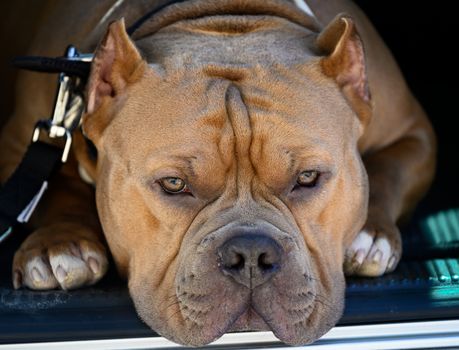
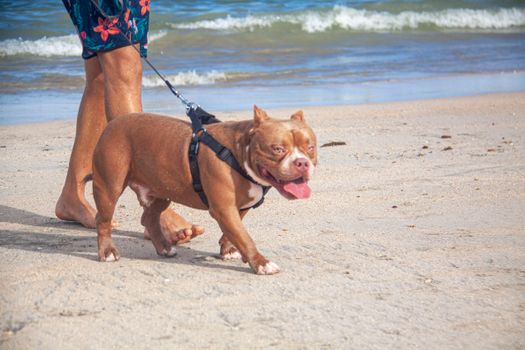
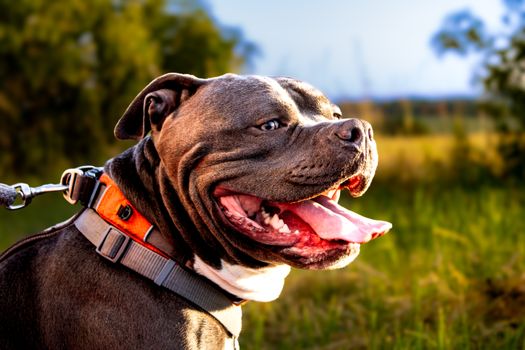
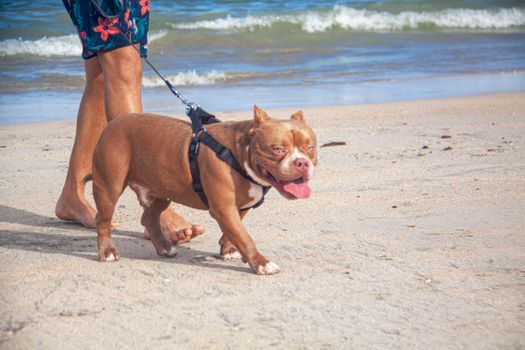
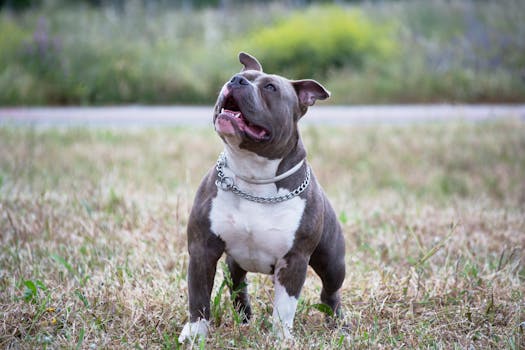
American Bullies are highly expressive dogs. They use a variety of vocalizations, body postures, and facial expressions to communicate with their owners and canine peers. Notably, these dogs are known for their “smile”—a relaxed, open-mouthed expression that can resemble a human grin and often indicates contentment.
Vocal cues such as whining, grumbling, or soft “talking” sounds are common ways for American Bullies to express their needs or excitement. Unlike some breeds that bark frequently, American Bullies are generally moderate barkers, reserving vocalizations for specific triggers such as someone at the door or during play.
Their body language is equally telling. A wagging tail, relaxed posture, and soft eyes signal friendliness, while a stiff stance or alert ears may indicate uncertainty. By paying attention to these cues, owners can better understand their dog’s emotional state and respond appropriately.
Emotional Sensitivity and Empathy: Responding to Human Emotions
A remarkable aspect of the American Bully’s temperament is its emotional sensitivity. Owners often report that their dogs seem attuned to their moods, offering comfort when they sense sadness or distress. This trait is supported by a 2020 study published in “Animal Cognition,” which found that bully breeds, including the American Bully, can read human facial expressions and vocal tones with high accuracy.
This empathetic nature makes the American Bully an excellent candidate for therapy and support roles. In fact, over 1,500 American Bullies in the United States are currently registered as emotional support or therapy animals, according to the International Association of Assistance Dog Partners (IAADP).
However, this sensitivity means that harsh training methods or chaotic environments can negatively affect the breed’s well-being. Positive reinforcement and a calm household are recommended to ensure a confident, emotionally balanced pet.
Socialization Strategies: Setting Your American Bully Up for Success
Proper socialization is essential for any breed, but it is especially crucial for the American Bully. Early exposure to a variety of people, places, sounds, and situations helps prevent fear-based behaviors and ensures your dog grows into a well-adjusted adult.
Puppy socialization classes, regular visits to dog-friendly parks, and controlled introductions to new environments all play a role in building a resilient and socially adept American Bully. According to the American Veterinary Society of Animal Behavior, puppies that receive positive social experiences before 16 weeks of age are 78% less likely to develop behavioral issues later in life.
Here’s a quick comparison of socialization needs among popular breeds:
| Breed | Socialization Intensity Needed | Ideal Age to Start | Common Behavioral Outcome |
|---|---|---|---|
| American Bully | High | 8-10 weeks | Confident, friendly adult dog |
| Border Collie | Medium | 8-12 weeks | Attentive, alert, sometimes reserved |
| Chihuahua | Very High | 8-12 weeks | Can be nervous without socialization |
Consistency is key: Regular positive experiences help reinforce the American Bully’s natural sociability and reduce the risk of fear-based aggression or anxiety.
The Role of Routine and Stimulation in American Bully Behavior
Beyond social interaction, American Bullies also thrive on mental and physical stimulation. Their intelligence means they enjoy problem-solving tasks, interactive games, and learning new commands. Mental enrichment activities such as puzzle toys or scent work can help prevent boredom—a common trigger for unwanted behaviors like chewing or digging.
A 2023 survey by the American Pet Products Association revealed that 76% of American Bully owners who incorporated daily enrichment activities reported fewer behavioral problems than those who relied solely on physical exercise. The breed also benefits from consistent routines; regular feeding times, walks, and bedtime help reduce anxiety and foster a sense of security.
Final Thoughts: Embracing the Social Essence of the American Bully
The American Bully is much more than a muscular companion; it is a social, emotionally intelligent, and deeply loyal breed. Owners who recognize and nurture the breed’s social behavior traits often find themselves with a remarkably affectionate and adaptable pet. By focusing on socialization, emotional connection, and routine, you can help your American Bully flourish as a cherished member of your family.