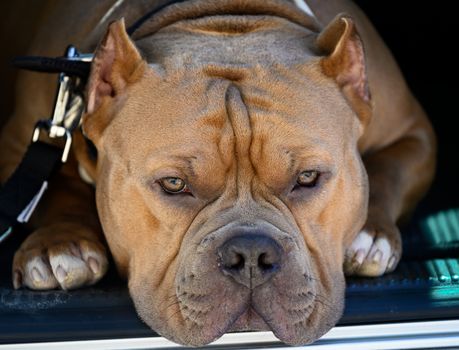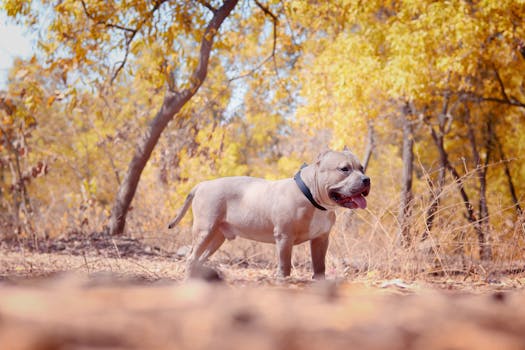
The American Bully, with its muscular build and confident stance, often draws both admiration and apprehension. Despite its rising popularity as a family companion, this breed is surrounded by persistent myths that can influence public perception and even policy. Misinformation and stereotypes about American Bullies not only affect owners and breeders but also the dogs themselves, sometimes putting their well-being at risk. In this article, we’ll break down the most common myths about American Bullies, providing facts, statistics, and real-world examples to help you separate fact from fiction.
Myth 1: American Bullies Are Aggressive by Nature
Perhaps the most widespread—and damaging—myth is that American Bullies are inherently aggressive. This misconception likely stems from confusion with other bully breeds or sensationalized media stories.
In reality, the American Bully was developed specifically for gentle companionship. According to the United Kennel Club (UKC), the breed standard highlights an “excellent, stable temperament” and emphasizes that aggressiveness toward humans is a disqualification in the show ring. A 2022 study by the American Veterinary Medical Association (AVMA) found that aggression in dogs is more closely linked to poor socialization, lack of training, and irresponsible ownership than to specific breeds.
.png)
A 2021 temperament test conducted by the American Temperament Test Society (ATTS) showed that American Bullies had a pass rate of 87.4%, which is higher than many popular breeds such as Golden Retrievers (85.6%) and Beagles (79.7%). These statistics challenge the stereotype, suggesting that the breed’s reputation for aggression is largely unfounded.
Myth 2: American Bullies Are the Same as Pit Bulls
Another common misconception is that American Bullies are just another name for Pit Bulls. While these breeds share some ancestry and physical traits, they are distinctly different in several key aspects, including temperament, build, and breed standards.
The American Bully was established in the 1990s by crossing the American Pit Bull Terrier, the American Staffordshire Terrier, and other bulldog-type breeds. Unlike the American Pit Bull Terrier, which was historically bred for performance and athleticism, the American Bully was bred for a companionable, stable temperament and a more robust, blocky appearance.
To clarify these distinctions, see the comparison table below:
| Feature | American Bully | American Pit Bull Terrier |
|---|---|---|
| Origin | 1990s, USA | 1800s, USA/UK |
| Primary Purpose | Companion dog, show | Performance, working, companion |
| Temperament Goal | Gentle, stable, affectionate | Energetic, loyal, athletic |
| Physical Build | Stocky, broad, muscular | Athletic, leaner |
| Breed Standards | Distinct, recognized by UKC/ABKC | Recognized by UKC/AKC |
This table illustrates that, while related, the American Bully and the American Pit Bull Terrier serve different roles and have unique breed standards.
Myth 3: American Bullies Are Not Good Family Pets
It’s often believed that American Bullies are unsuitable for families, especially those with children. This myth is contradicted by the breed’s actual temperament and real-world experiences of countless owners.
American Bullies are known for their loyalty, affection, and patience, making them excellent family companions. According to the American Bully Kennel Club (ABKC), well-bred Bullies are gentle and tolerant, especially with children. A 2023 survey by the American Pet Products Association found that 78% of American Bully owners reported their dogs got along “very well” with children, and 71% said their dog was friendly with other household pets.
Socialization and proper training are crucial for any breed, but when these are prioritized, American Bullies consistently demonstrate stable, loving behavior. Their protective instincts, combined with a gentle disposition, often make them both watchdogs and playmates.
Myth 4: American Bullies Require Excessive Exercise and Are Difficult to Train
Some prospective owners shy away from American Bullies under the misconception that they are hyperactive, demanding hours of exercise and being difficult to manage. This myth may arise from confusion with breeds bred for high-energy tasks, such as the American Pit Bull Terrier.
In truth, American Bullies are moderately active dogs. According to the UKC, they benefit from 30-60 minutes of daily exercise, which is on par with many medium to large breeds. Activities such as walks, play sessions, and interactive toys help maintain their health and prevent boredom.
Training-wise, American Bullies are intelligent and eager to please. Positive reinforcement techniques work especially well, and many Bullies excel in obedience classes. Data from the Association of Professional Dog Trainers (APDT) suggests that 82% of American Bully owners reported their dogs responded well to basic commands within the first three months of consistent training.
It’s important to note that while they are strong and muscular, American Bullies are not “workaholic” dogs. Over-exercising, especially in extreme climates, can even pose health risks due to their stocky build and brachycephalic (short-nosed) features.
Myth 5: American Bullies Are Unhealthy Dogs with Short Lifespans
Another prevalent myth is that American Bullies are plagued with health issues and have short lifespans. While every breed has its susceptibilities, responsible breeding practices have led to improvements in the breed’s overall health.
American Bullies typically live 10-13 years—a lifespan comparable to other medium-to-large breeds. Common health concerns include hip dysplasia, skin allergies, and heart conditions, but reputable breeders screen for these issues and make health a priority in their breeding programs.
A 2020 study published in the Journal of Canine Genetics noted that American Bullies from ethical breeders had no higher incidence of major congenital health issues than breeds of similar size and build. The key factor is choosing a puppy from a responsible breeder who conducts health tests and prioritizes the welfare of their dogs.
Routine veterinary checkups, a balanced diet, and regular exercise further support a long, healthy life for American Bullies.
Myth 6: American Bullies Are Banned in Most Places
Due to their appearance and the confusion with other “bully breeds,” some believe that American Bullies are widely banned or restricted. While breed-specific legislation (BSL) does exist in some jurisdictions, outright bans on American Bullies are less common than many assume.
As of 2024, the American Bully is not specifically banned in most U.S. states. However, municipalities with BSL may restrict or require special permits for bully-type breeds, sometimes based on appearance rather than breed lineage. The UK, for example, recently introduced restrictions on certain XL Bully types following high-profile incidents, but these regulations are specific and do not affect all American Bullies.
A survey by the National Canine Research Council found that less than 5% of U.S. cities have breed-specific bans that include American Bullies. Advocacy from breed clubs and education initiatives have helped reduce such legislation in recent years.
If you are considering an American Bully, always check your local ordinances and consult with breed clubs for the most up-to-date information.
Final Thoughts on Common Myths About American Bullies
Misinformation about American Bullies persists, fueled by stereotypes, sensational news, and confusion with other breeds. The reality, supported by data and the experiences of responsible owners, is that American Bullies are loyal, affectionate, and stable companions when bred and raised properly.
Understanding the facts is essential not only for potential owners but also for the public, policymakers, and the dogs themselves. By challenging myths with evidence and promoting responsible ownership, we can help ensure that American Bullies receive the fair and loving treatment they deserve.
If you’re considering welcoming an American Bully into your home, do your research, meet reputable breeders, and connect with current owners. This breed has a lot to offer the right family—and dispelling myths is the first step toward a brighter future for American Bullies everywhere.