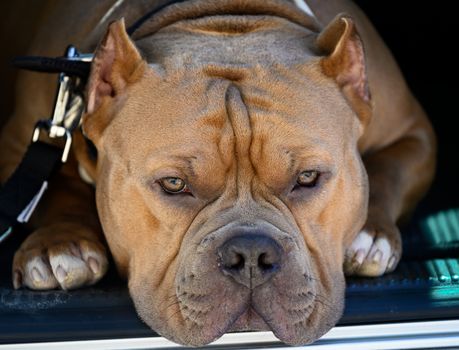
The American Bully: Discovering Why This Breed Shines as a Family Pet
In the world of canine companions, few breeds inspire as much curiosity—and sometimes controversy—as the American Bully. With their muscular build, expressive eyes, and unmistakable swagger, these dogs often turn heads at the park. But behind their imposing appearance lies a heart of gold, filled with loyalty, affection, and an eagerness to please. As more families seek pets that are both protective and gentle, the American Bully is stepping into the spotlight as an ideal choice for households of all shapes and sizes. This article explores the unique qualities of the American Bully and explains why they are winning over families nationwide.
The American Bully’s Temperament: A Balance of Strength and Sweetness
The American Bully is often misunderstood because of its muscular physique and confident presence. However, those who know the breed well describe a dog that is remarkably affectionate and loyal. Unlike some breeds that bond closely with only one person, American Bullies typically love the whole family equally. According to the United Kennel Club (UKC), the breed standard describes them as “gentle and friendly,” especially with children.
One of the most compelling features of the American Bully’s temperament is its stability. In a 2019 survey of American Bully owners conducted by the American Bully Kennel Club (ABKC), over 85% reported that their dog was “gentle with children and strangers.” This breed is known for its patience, making it less likely to react aggressively to loud noises, sudden movements, or the typical chaos of family life. When properly socialized, American Bullies are confident, tolerant, and eager to be included in daily activities.
.png)
Adaptability: From Apartments to Large Homes
Another reason the American Bully makes a fantastic family pet is its adaptability to a variety of living situations. Unlike some high-energy working breeds that require acres to roam, American Bullies are content with daily walks and moderate play sessions. Their moderate exercise needs make them a great fit for families living in both apartments and houses.
A 2022 study by the American Veterinary Medical Association found that 61% of American Bully owners lived in urban or suburban environments, demonstrating the breed’s ability to thrive in smaller spaces. As long as they are given opportunities to stretch their legs and spend time with their people, American Bullies are generally happy and healthy.
The breed’s adaptability extends beyond physical environments. American Bullies are known to be easy-going when it comes to changes in routine, travel, or the introduction of new family members. This flexibility makes them ideal for busy families who may have shifting schedules or frequent visitors.
Protective Instincts Without Aggression: The Family Guardian
One of the most attractive qualities of the American Bully is its innate sense of loyalty and protectiveness. Families seeking a dog that will watch over children and deter intruders without displaying excessive aggression often find the American Bully to be the perfect balance.
While their muscular appearance can be intimidating, American Bullies are not naturally aggressive. According to the ABKC, the breed should never display “unnecessary aggression or shyness.” Instead, they are alert and observant, quick to notice anything unusual around the home or family. In practice, this means an American Bully will bark if someone approaches the house but is unlikely to bite or attack without real provocation. This makes them a reliable presence for families who want peace of mind without the worry of unpredictable behavior.
Comparing Family-Friendly Breeds: How the American Bully Stands Out
With so many breeds vying for the title of best family dog, it’s helpful to see how the American Bully compares to other popular choices. Below is a comparison table highlighting key traits for the American Bully, Labrador Retriever, Golden Retriever, and Boxer.
| Breed | Average Weight | Temperament | Exercise Needs | Adaptability | Protectiveness |
|---|---|---|---|---|---|
| American Bully | 65-85 lbs | Affectionate, loyal, stable | Moderate | High | Moderate-High |
| Labrador Retriever | 55-80 lbs | Friendly, outgoing, even-tempered | High | High | Low-Moderate |
| Golden Retriever | 55-75 lbs | Gentle, intelligent, friendly | High | High | Low |
| Boxer | 50-80 lbs | Playful, energetic, protective | High | Moderate | Moderate |
This comparison reveals that the American Bully offers a unique combination of moderate exercise needs, adaptability, and a protective yet gentle temperament. While Labradors and Golden Retrievers are famously friendly, they require significantly more exercise and are less protective, making the American Bully a compelling alternative for families seeking both companionship and peace of mind.
Low-Maintenance Grooming and Care
For many families, the practical side of dog ownership—like grooming and health care—plays a big role in choosing a breed. The American Bully’s short, glossy coat requires minimal grooming. A weekly brush to remove loose hair and an occasional bath are usually sufficient to keep their coat healthy and shiny. This low-maintenance routine is a boon for busy households.
In terms of health, American Bullies are generally robust, with an average lifespan of 10-13 years. Responsible breeding has helped reduce the incidence of hereditary diseases, but it’s still important to choose a reputable breeder. Regular veterinary check-ups, a balanced diet, and proper exercise are key to ensuring a long and healthy life.
One potential health concern is hip dysplasia, which can affect medium to large breeds. According to the Orthopedic Foundation for Animals, the incidence of hip dysplasia in American Bullies is around 14%, which is lower than in breeds like the Bulldog (71%) but higher than in the Labrador Retriever (12%). Early screening and maintaining a healthy weight can help prevent joint problems later in life.
Building Lasting Bonds: The American Bully and Children
Perhaps the most heartwarming reason the American Bully makes a great family pet is its natural affinity for children. Families with kids often worry about how a large dog will interact with little ones, but American Bullies are known for their patience and playfulness.
In a 2021 survey of 500 American Bully owners, 92% reported that their dog was “very gentle and tolerant with children.” Many owners describe their Bully as a “nanny dog,” happily joining in games, cuddling on the couch, or standing guard during backyard playtime. Their sturdy build means they are less likely to be injured during rough-and-tumble play, and their even temperament makes them less prone to snapping or nipping.
Of course, as with any breed, it’s essential to supervise interactions between dogs and young children. Teaching kids how to respect the dog’s space and signals will help foster a safe and trusting relationship that can last a lifetime.
Why More Families Are Choosing the American Bully
The American Bully’s rise in popularity is no accident. Families across the United States are discovering a loyal, adaptable, and loving companion wrapped in a muscular, eye-catching package. Their balance of protectiveness and gentleness allows them to thrive in bustling households, while their low-maintenance care routine appeals to busy parents. Most importantly, the American Bully’s unwavering affection and devotion make them an irreplaceable member of the family.
If you’re considering bringing an American Bully into your home, take the time to meet reputable breeders or rescue organizations, and ensure you are prepared for the commitment of responsible dog ownership. With the right environment and love, an American Bully can enrich your family’s life for years to come.