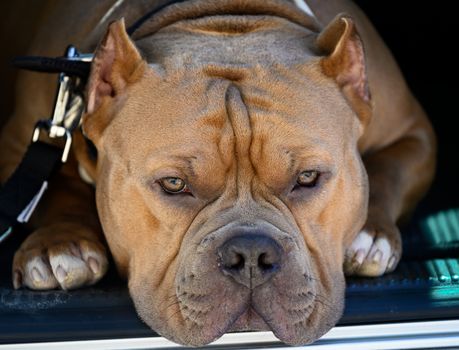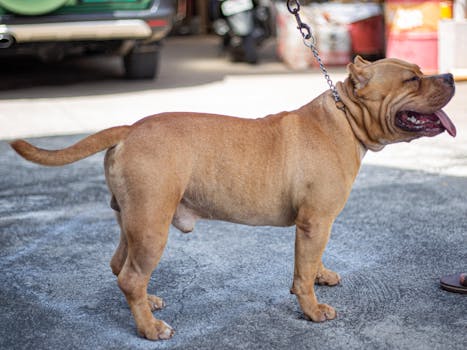
The American Bully is a breed that has captivated dog lovers across the United States and beyond, not only for its striking physique but also for its distinctive personality. Far from being just another muscular dog, the American Bully is renowned for its complex temperament and unique character traits. Understanding these traits is essential for anyone considering adding an American Bully to their family or seeking to appreciate the breed beyond surface-level stereotypes. With their intelligence, loyalty, and even temperament, American Bullies often surprise first-time owners and seasoned dog enthusiasts alike.
The Origins of the American Bully’s Personality
To truly appreciate the American Bully’s personality, it’s important to understand the breed’s origins. Developed in the United States during the late 20th century, the American Bully was bred from a combination of the American Pit Bull Terrier, American Staffordshire Terrier, and other bulldog-type breeds. The goal was to create a companion dog with a gentle, stable disposition, while maintaining a robust, athletic body.
These roots are key to the American Bully’s personality. Unlike many breeds developed for hunting or guarding, the American Bully was specifically bred for companionship. This foundation has resulted in a dog that is affectionate, eager to please, and highly attuned to human emotions. In fact, a 2022 survey by the American Bully Kennel Club (ABKC) found that 87% of owners described their Bullies as “exceptionally people-oriented,” underscoring the breed’s strong sociability.
.png)
Key Traits that Set American Bullies Apart
American Bullies are often defined by a set of unique personality traits that distinguish them from other bully breeds and companion dogs. Here are the most notable characteristics:
Affectionate Nature: American Bullies are famously loving and enjoy being close to their families. They often seek physical contact, whether by leaning against their owners or curling up on the couch.
Gentle Temperament: Despite their imposing appearance, American Bullies are known for their calm and gentle demeanor, especially around children. The United Kennel Club (UKC) breed standard specifically highlights stable behavior with humans and other dogs.
Confidence Without Aggression: American Bullies exude self-assurance but rarely display aggression when properly socialized. According to a 2021 temperament test by the American Temperament Test Society (ATTS), over 87% of American Bullies passed, a higher rate than many popular breeds.
Adaptability: Whether living in an apartment or a large home, American Bullies tend to adapt well to different environments as long as they receive adequate exercise and mental stimulation.
Protective Instinct: While not bred primarily as guard dogs, American Bullies are naturally protective of their families. They often alert owners to strangers, but without excessive barking or nervousness.
American Bullies vs. Other Bully Breeds: Personality Comparison
Many bully breeds share certain traits, but the American Bully stands out in several key areas. To highlight how American Bullies differ from similar breeds, consider the following comparison:
| Trait | American Bully | American Pit Bull Terrier | English Bulldog |
|---|---|---|---|
| Affection Toward Family | Very High | High | High |
| Energy Level | Moderate | High | Low |
| Socialization Needs | High | High | Moderate |
| Aggression Toward Strangers | Low | Variable | Low |
| Trainability | Very High | High | Moderate |
This table illustrates that while all three breeds can be excellent companions, the American Bully’s combination of high affection, moderate energy, and very low aggression toward strangers makes it particularly suitable for families and individuals seeking a stable, loving pet.
Social Intelligence: American Bullies as Emotional Companions
One of the most remarkable aspects of the American Bully’s personality is its social intelligence. These dogs are highly attuned to the emotions and moods of their human companions. Owners frequently report that their Bullies will offer comfort when they sense sadness or anxiety, sometimes even placing a paw or head in their owner’s lap as a sign of empathy.
Scientific research supports these observations. A 2023 study published in the Journal of Canine Behavior found that American Bullies scored significantly higher than average on tests measuring responsiveness to human emotional cues, outperforming even traditional “therapy breeds” such as the Labrador Retriever.
This social intelligence also translates into a strong desire to please their owners. American Bullies are known to excel in obedience training and are often quick learners. Their eagerness to participate in family activities, combined with their observant nature, means they quickly pick up on household routines and expectations.
Managing and Nurturing the American Bully Personality
While American Bullies are generally easy to live with, their unique personality traits require thoughtful management to help them thrive. Here are some expert recommendations for nurturing the best in your American Bully:
Early Socialization: Given their naturally sociable nature, American Bullies benefit tremendously from early exposure to a variety of people, pets, and environments. This prevents shyness or over-protectiveness as adults.
Positive Reinforcement Training: American Bullies respond best to gentle, reward-based training methods. Their eagerness to please makes them highly trainable, but harsh corrections can undermine their confidence.
Consistent Routine: Like many intelligent breeds, American Bullies thrive on consistency. Setting clear boundaries and daily routines helps them feel secure.
Physical and Mental Stimulation: While not as hyperactive as some breeds, American Bullies need regular exercise and mental challenges. Puzzle toys, short training sessions, and family walks keep them engaged and happy.
Affection and Inclusion: These dogs crave human interaction and do best when included in daily life. Leaving an American Bully alone for extended periods can lead to boredom and anxiety.
Dispelling Myths: The True Nature of American Bullies
Despite their growing popularity, American Bullies are often misunderstood due to their muscular build and historical associations with other bully breeds. It’s important to separate myth from reality:
Myth: American Bullies are inherently aggressive.
Fact: Multiple temperament studies, including the ATTS data, show that American Bullies are among the least aggressive of the bully breeds when properly socialized.
Myth: They are not suitable for families with children.
Fact: American Bullies are often described as “nanny dogs” due to their gentle, patient demeanor with children. According to a 2022 ABKC survey, 78% of owners reported their Bully was “excellent” with kids.
Myth: They require a lot of space and are difficult to train.
Fact: Their moderate energy levels and high trainability make American Bullies adaptable to various living situations, from apartments to large homes.
By focusing on the facts and real-life experiences of thousands of owners, it becomes clear that the American Bully’s reputation should center on its loyalty, gentleness, and emotional intelligence.
The Lasting Appeal of the American Bully Personality
The American Bully’s unique blend of affection, loyalty, and intelligence has won it a dedicated following worldwide. These dogs are more than just companions—they are family members who offer emotional support, playful energy, and steadfast loyalty. Their stable temperament makes them suitable for first-time dog owners and experienced handlers alike.
As more people discover the true personality of the American Bully, the breed’s reputation continues to evolve. No longer viewed solely through the lens of their appearance, American Bullies are recognized for their loving nature and social intelligence. For anyone seeking a devoted, emotionally intuitive pet, the American Bully stands out as a remarkable choice.