Traveling with Your American Bully: Essential Tips for Stress-Free Adventures
With their affectionate personalities and loyal companionship, American Bullies make wonderful travel companions. Whether you’re planning a weekend road trip or an extended vacation, bringing your American Bully along for the ride can be a memorable and rewarding experience. However, traveling with a strong, muscular breed like the American Bully comes with unique considerations—from ensuring their comfort and safety to navigating breed restrictions and preparing necessary documents. This comprehensive guide will walk you through the essential tips for traveling with your American Bully, helping you reduce stress and maximize enjoyment for both you and your four-legged friend.
Understanding Travel Challenges for American Bullies
Traveling with any dog requires planning, but the American Bully’s size, strength, and breed status mean you’ll face a few extra hurdles. Recognizing these challenges in advance is key to a smooth journey.
One of the most significant considerations is breed-specific legislation (BSL). According to the American Veterinary Medical Association, over 700 cities in the United States have some form of breed restriction, and American Bullies are sometimes included due to their resemblance to other bully breeds. Airlines, hotels, and rental properties may also have policies that affect your ability to travel freely.
.png)
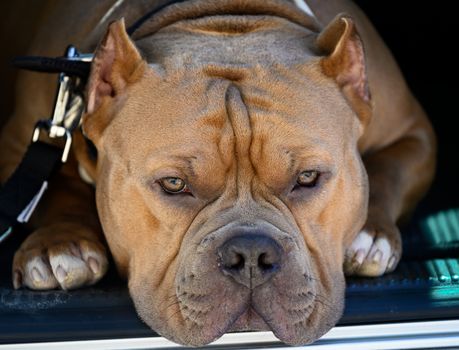
Additionally, American Bullies are a muscular breed, with adult males often weighing between 70 to 120 pounds. Their size requires more space, both in vehicles and accommodations. Heat sensitivity is another concern; due to their short muzzles, American Bullies can be prone to overheating, especially during summer travel.
By understanding these unique challenges, you’ll be better equipped to plan a trip that’s safe and enjoyable for your dog.
Preparing Your American Bully for Travel
Preparation is crucial when traveling with an American Bully. Start by scheduling a veterinary check-up several weeks before your trip. Ensure your dog is up-to-date on vaccinations, as many states and countries require proof of rabies and other immunizations. Ask your vet for a health certificate, as this may be needed for air travel or crossing state lines.
Next, microchip your American Bully if you haven’t already done so, and make sure their ID tags are current with your phone number and address. According to the American Humane Association, nearly 10 million pets are lost in the U.S. every year, but microchipped dogs are more than twice as likely to be returned to their owners.
Pack a dedicated travel kit for your American Bully, including:
- Food and water bowls - At least three days’ worth of regular food - Bottled water (to avoid stomach upset from new water sources) - Leash, harness, and sturdy collar - Favorite toys and a blanket or bed for comfort - Waste bags and cleaning supplies - Medications and a basic canine first aid kitFinally, acclimate your American Bully to travel. Take them on shorter car rides to help them get used to the experience, and practice using a crate if you’ll need one for airline or train travel. Crate training makes the journey less stressful for both you and your dog.
Choosing the Best Travel Method for Your Bully
Your choice of travel method will significantly affect your American Bully’s comfort and safety. Here’s an overview of the most common options:
| Travel Method | Pros | Cons | Breed Restrictions? |
|---|---|---|---|
| Car | Flexible stops, familiar environment, less stressful for most dogs | Long drives can cause boredom or anxiety; requires frequent breaks | Rarely |
| Airplane | Fastest for long distances; some airlines allow large dogs as cargo | Can be stressful; crate required; many airlines restrict bully breeds | Often |
| Train | Room to move, less turbulence than air travel | Pet policies vary; large dogs often not allowed | Sometimes |
| Bus | Affordable, multiple route options | Most buses don’t allow large dogs except service animals | Usually |
For most American Bully owners, road trips by car are the most practical and comfortable option. If you must fly, check airline policies well in advance—many major airlines, including Delta and United, have restrictions or outright bans on bully breeds flying in cargo. Some pet-friendly airlines and private pet transport services may be alternatives.
Regardless of your travel method, never leave your American Bully unattended in a vehicle, especially during warm weather. Temperatures inside a car can rise by 20°F in just 10 minutes, putting your dog at extreme risk of heatstroke.
Finding Pet-Friendly Accommodations and Destinations
Securing pet-friendly accommodations is vital when traveling with your American Bully. Not all hotels, vacation rentals, or campgrounds allow large or bully-type breeds, so research thoroughly before booking.
Websites like BringFido and GoPetFriendly offer searchable databases of pet-friendly hotels and attractions, many of which list breed and size restrictions. Always call ahead to confirm policies—some chains, such as La Quinta and Motel 6, are generally pet-friendly but may have local exceptions regarding breed.
If you’re planning outdoor adventures, check regulations for national parks or public lands. For example, dogs are allowed in most U.S. national forests but restricted in many national parks. Local dog parks can be great outlets for exercise, but always supervise your American Bully and ensure the park’s rules allow your breed.
When staying in hotels or rentals:
- Bring a crate to prevent damage or accidents. - Keep your dog leashed in public areas. - Never leave your American Bully alone for extended periods. - Clean up after your dog to maintain a positive reputation for all pet owners.Keeping Your American Bully Safe and Comfortable on the Road
Ensuring your American Bully’s safety and well-being during travel requires ongoing attention. Here are some road-tested tips:
1. Restraint is key: Use a crash-tested harness or a secured crate to keep your dog safe in the car. According to the Center for Pet Safety, unrestrained pets can become dangerous projectiles in an accident. 2. Plan for regular breaks: Stop every 2-3 hours to allow your dog to stretch, relieve themselves, and drink water. Not only does this prevent restlessness, but it’s also crucial for their health—especially for a muscular breed that can be prone to joint issues. 3. Monitor for stress: Signs of travel anxiety in dogs include panting, drooling, whining, or pacing. Bring familiar items like toys or a favorite blanket to provide comfort, and avoid overfeeding right before the journey. 4. Watch the temperature: American Bullies are sensitive to extremes. Use sunshades in the car, avoid midday walks in hot climates, and ensure your dog always has access to fresh water. 5. Emergency preparedness: Keep a list of nearby veterinarians at your destination and along your route. The American Animal Hospital Association offers an online locator for accredited clinics nationwide.Navigating Breed-Specific Laws and Travel Regulations
One of the trickiest aspects of traveling with an American Bully is dealing with breed-specific legislation. Laws vary widely by city, county, and even individual property owners. Some places require muzzles in public, while others may ban bully breeds altogether.
Before you hit the road:
- Research local and state laws for all destinations on your route. - Carry proof of breed (registration papers, DNA test results, or a letter from your veterinarian) if your American Bully has a less typical appearance. - Keep vaccination records and a recent photo of your dog with you at all times. - If flying, familiarize yourself with airline regulations and required documentation.In some cases, you may need to revise your travel plans to avoid areas where American Bullies are not welcome. Responsible ownership and advocacy help change perceptions of bully breeds, but it’s important to prioritize your dog’s safety and legal standing.
Making Memories: Activities and Etiquette for Traveling Bullies
Traveling with your American Bully is more than just logistics—it’s about creating lasting memories and strengthening your bond. Seek out activities that are both fun and safe for your breed:
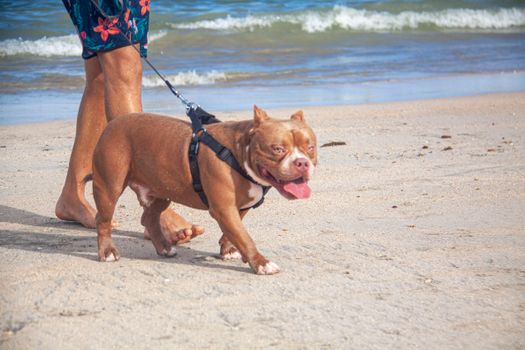
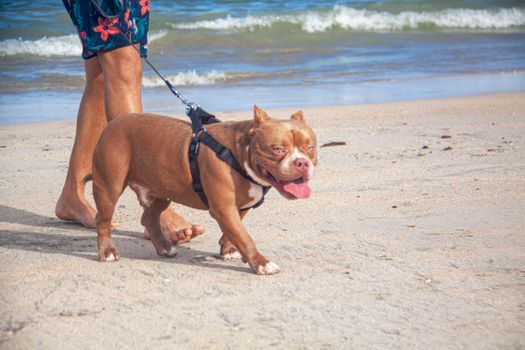
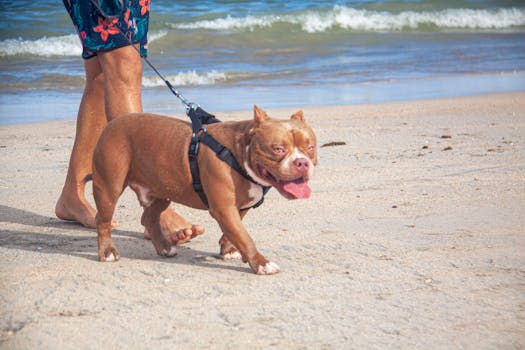
- Hiking: Many state parks and trails allow leashed dogs. Choose routes suitable for your dog’s fitness level. - Beach visits: Look for dog-friendly beaches with shaded areas and fresh water. Rinse off salt or sand after playtime. - Pet-friendly patios: More restaurants than ever now welcome dogs in outdoor seating areas. Always keep your Bully leashed and under control. - City strolls: Urban adventures can be stimulating, but introduce your dog gradually to busy environments.Remember, not everyone is comfortable around large breeds. Practice good etiquette by keeping your American Bully leashed, respecting no-dog zones, and picking up waste. Positive interactions on the road help improve the breed’s public image and make future travels easier for everyone.
Final Tips for Successful Travel with Your American Bully
Traveling with your American Bully can be immensely rewarding, but preparation is essential. Plan your route with breed restrictions in mind, book pet-friendly accommodations well in advance, and pack for every eventuality. Always prioritize your dog’s safety, comfort, and legal status wherever you go.
With thoughtful planning and responsible pet ownership, you and your American Bully can enjoy countless adventures together—exploring new places, meeting new friends, and making memories that last a lifetime.