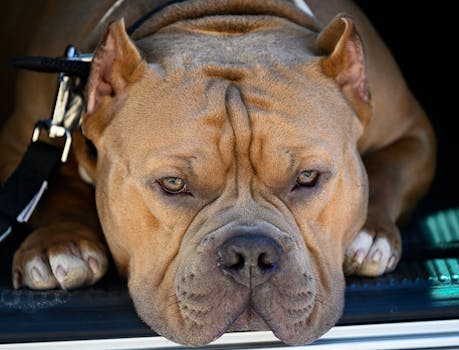
Bringing Home an American Bully Puppy: The Emotional and Environmental Preparation Guide
Welcoming an American Bully puppy into your household is a life-changing event filled with both joy and responsibility. While most guides focus on the practical elements of puppy-proofing and basic care, it’s equally important for potential owners to consider the emotional readiness of their family, the environmental enrichment you provide, and how you’ll foster a lifelong bond with your new companion. This article explores the deeper aspects of preparing for an American Bully puppy—from managing family expectations to designing a stimulating environment that nurtures both mind and body.
Preparing Your Family for the Arrival of an American Bully Puppy
The foundation of a happy home for an American Bully puppy starts with your family. These affectionate, strong-willed dogs thrive in environments where everyone is on the same page regarding rules and responsibilities.
First, hold a family meeting before your puppy arrives. Discuss the breed’s temperament—known for their loyalty and energy—and the time commitment needed. According to the American Kennel Club, American Bullies require at least 30-60 minutes of daily exercise and benefit from ongoing training and socialization. Assign roles: one person might handle feeding, another walks, and someone else could oversee training sessions. This division of labor ensures no task is neglected and helps your puppy adapt to a routine.
.png)
Children should be coached on safe, respectful interactions. Use roleplaying to teach them how to approach, pet, and play with a puppy. According to a 2023 study published in the Journal of Veterinary Behavior, structured family education before puppy adoption reduced incidents of accidental bites by 45%.
Designing a Sensory-Rich Environment for Your American Bully Puppy
Beyond safety, consider how your home can stimulate your puppy’s senses and intelligence. American Bullies are highly perceptive and curious, so providing environmental enrichment is key to preventing boredom and destructive behaviors.
Create an “exploration corner” in your living space. Rotate different toys—such as puzzle feeders, squeaky toys, and textured chew items—every few days. Studies show that dogs exposed to varied toys and challenges are 60% less likely to develop anxiety or destructive habits.
Introduce safe, puppy-appropriate scents using lavender or chamomile diffusers (never essential oils directly) to create a calming effect. Offer new sounds gradually: soft music, recorded traffic, or even the vacuum cleaner at a distance. This acclimatization process reduces future fear reactions to everyday noises.
Setting Boundaries: Establishing Puppy-Free Zones and Early Habits
American Bullies are sociable and often want to be wherever their humans are. However, setting boundaries early helps with house training and teaches your puppy to feel comfortable being alone for short periods—a skill that prevents separation anxiety.
Use pet gates or closed doors to designate puppy-free areas, such as the kitchen or bedrooms, especially during unsupervised times. Create a cozy crate or pen in a quiet area where your puppy can retreat for naps. According to the Humane Society, crate training not only aids in housebreaking but also gives your puppy a sense of security, reducing anxiety-related behaviors by up to 70%.
Introduce your puppy to these boundaries with positivity. Reward them for resting calmly in their space. Over time, your American Bully will learn that alone time is safe and enjoyable, not stressful.
Preparing for the First 72 Hours: Transition and Stress Management
The first three days are a critical transition period for any puppy, but especially for sensitive breeds like the American Bully. Puppies may experience stress due to new smells, sounds, and routines.
Plan for a calm, quiet homecoming. Limit visitors and keep introductions to immediate family only. Place a familiar-scented item from the breeder (such as a blanket) in your puppy’s crate to ease the adjustment. Research from the University of California, Davis, found that puppies given a familiar scent during their transition to a new home settled 35% faster and showed fewer signs of stress.
Stick to a predictable schedule for eating, potty breaks, and play. Gradually introduce new experiences—such as short car rides or meeting a neighbor—after the first week. Monitor for signs of stress: excessive whining, hiding, or lack of appetite may indicate your puppy needs more time to adjust.
Building a Lifelong Bond: Early Social Experiences and Positive Reinforcement
Your relationship with your American Bully begins on day one and is shaped by every interaction. Focus on building trust through positive reinforcement and gentle handling. Use treats, praise, and play to reward desirable behaviors.
Enroll in a puppy kindergarten class by 12-16 weeks, once your vet approves. Group classes not only teach basic obedience but also expose your puppy to other dogs, people, and novel situations, building confidence and sociability. According to Petfinder, puppies attending early socialization classes are 85% more likely to become well-adjusted adult dogs.
Expose your Bully to a variety of environments: parks, sidewalks, friends’ homes, and pet-friendly stores. Each new experience should be paired with rewards and encouragement, helping your puppy associate new situations with positive outcomes.
Essential Checklist: Emotional and Environmental Preparation for Your Bully Puppy
| Preparation Step | Why It Matters | Example/Fact |
|---|---|---|
| Family Meeting | Sets expectations & roles | Reduces confusion and ensures consistent training |
| Sensory Enrichment | Prevents boredom & bad habits | Dogs with varied toys are 60% less destructive |
| Boundary Training | Encourages independence | Crate-trained dogs have 70% less anxiety |
| Transition Support | Reduces first-week stress | Familiar scents help puppies settle 35% faster |
| Early Socialization | Builds confidence | Puppy classes increase sociability by 85% |
Final Thoughts on Preparing for an American Bully Puppy
Preparing for an American Bully puppy extends far beyond the basics of puppy-proofing your home. By focusing on emotional readiness, family involvement, and a stimulating environment, you set the stage for a strong, trusting bond that lasts a lifetime. Remember, the early days shape your puppy’s personality and resilience. By investing in your own education and creating a nurturing space, you’ll raise not just a well-behaved dog, but an irreplaceable member of your family.