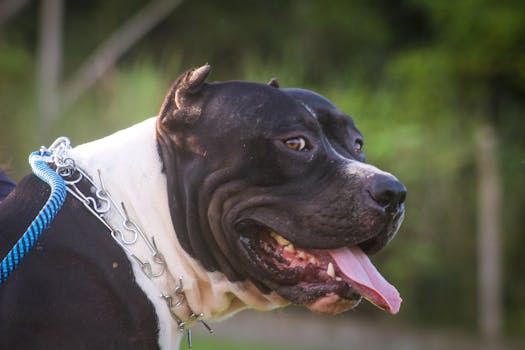
Training your bully puppy effectively requires dedication, patience, and a deep understanding of the unique traits of bully breeds. These dogs are known for their robust physical presence and gentle demeanor, provided they are trained correctly. Here’s a comprehensive guide to help you navigate the training process, ensuring your bully puppy grows up to be a well-mannered and confident companion.
Early Training is Key
Begin training your bully puppy the moment they enter your home, which is usually around 8 weeks of age. Early training embeds essential behaviors and helps establish you as the pack leader. Consistency in command usage, rules, and daily routines sets a clear structure for your puppy.
.png)
Prioritize Socialization
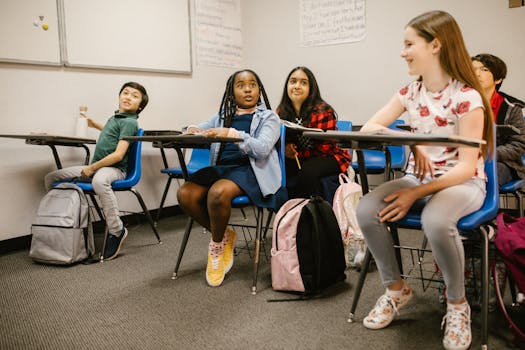
Proper socialization is critical for bully breeds. Introduce your puppy to a variety of people, animals, environments, and situations early on. Positive interactions during these formative weeks can prevent fear and aggression in adulthood. Puppy classes, safe playdates, and frequent outings are excellent for social exposure.
Implement Positive Reinforcement
Utilize treats, praise, and toys to encourage and reinforce good behavior. Positive reinforcement makes learning enjoyable for your puppy and can fortify the bond between you. Avoid negative methods such as harsh reprimands or physical corrections, which may instill fear rather than respect.
Master Basic Commands
Teaching your puppy simple commands such as ‘sit’, ‘stay’, ‘come’, and ‘down’ is fundamental. These commands are not only pivotal for behavioral management but are crucial for your puppy’s safety. Reward compliance with treats and affection to reinforce learning.
Address Biting and Nipping
Puppies often bite and nip during play. It’s important to teach them that human skin is not a toy. If your puppy bites, respond with a firm ‘no’, and replace the inappropriate biting target (like your hand) with a suitable chew toy. This method teaches them acceptable biting behavior.
Regular Handling
Frequent handling helps your puppy become comfortable with human touch, which can be beneficial during veterinary exams or grooming sessions. Gently handle their paws, ears, and mouth, rewarding them with treats for calm behavior. This not only aids in socialization but also helps you in early detection of potential health issues.
Ensure Adequate Exercise
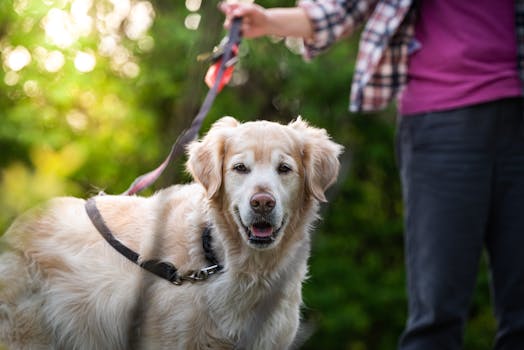
Bully breeds typically have high energy levels and require regular physical activity to stay healthy and happy. Lack of exercise can lead to destructive behavior due to accumulated energy. Regular walks, playtime, and training exercises are essential.
Establish a Routine
A structured daily routine helps in managing feeding times, potty breaks, and exercise sessions. Routines make the world more predictable for your puppy, aiding significantly in house training and overall comfort.
Ongoing Training
The end of puppyhood does not mean the end of training. Continue practicing and reinforcing learned behaviors into adulthood to maintain discipline and enhance your bond. Regular, lifelong training benefits both you and your dog by keeping rules clear and engagement high.
Training a bully puppy can be a deeply rewarding experience that fosters a lifelong bond between you and your pet. By following these guidelines, you are well on your way to raising a disciplined, sociable, and loving bully breed dog. Remember, the key to successful training lies in consistency, patience, and positive reinforcement.