The Importance of Dog Health in the Bully Breed: Ensuring Lifelong Vitality
Bully breeds, which include the American Bully, American Pit Bull Terrier, Staffordshire Bull Terrier, and related breeds, have soared in popularity for their loyalty, intelligence, and striking appearance. However, their unique physiology and genetic background make maintaining optimal health more critical than ever. The importance of dog health in the bully breed extends far beyond basic care—it's about safeguarding their quality of life, managing breed-specific risks, and ensuring they thrive as beloved companions and family members.
This article delves into vital aspects of bully breed health, from understanding their unique needs and common conditions to the role of preventative care, mental well-being, and the impact on family life. Whether you’re a seasoned bully breed owner or considering adopting one, understanding the essentials of their health is a responsibility that pays lifelong dividends.
Understanding the Unique Health Profile of Bully Breeds
Bully breeds are beloved for their muscular build and affectionate nature, but their distinct anatomy and genetics present special health considerations. According to the American Kennel Club (AKC), bully breeds have a higher-than-average risk for certain hereditary conditions, including hip dysplasia, skin allergies, and heart disease. A 2021 study published in the Journal of Veterinary Internal Medicine found that up to 20% of American Bullies are diagnosed with some form of joint abnormality by the age of five.
.png)
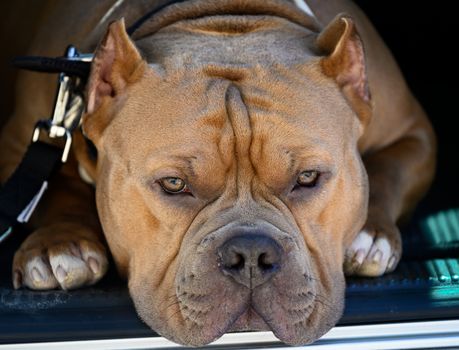
Moreover, the short, broad skulls of some bully breeds (a trait called brachycephaly) can cause airway challenges, making them more susceptible to breathing difficulties and heatstroke. Knowledge of these breed-specific vulnerabilities is the cornerstone of effective health management.
Breed-Specific Conditions: Risks and Realities
Bully breeds are more prone to certain health conditions compared to the general canine population. Here’s a closer look at some of the most common challenges:
1. $1 Characterized by abnormal joint development, this condition occurs in up to 15% of American Bullies, according to the Orthopedic Foundation for Animals. It can lead to arthritis and mobility problems if left untreated. 2. $1 Bully breeds often have sensitive skin, with allergies manifesting as itching, redness, or hot spots. A survey by the American Veterinary Medical Association (AVMA) revealed that 1 in 4 bully breed owners report chronic skin issues. 3. $1 This condition, caused by mites, is particularly common in bully puppies and can cause persistent skin lesions if not promptly addressed. 4. $1 Some lines of bully breeds are genetically predisposed to heart disease, especially aortic stenosis and congenital heart defects.The table below compares the prevalence of key health conditions in bully breeds versus the average dog population:
| Health Condition | Prevalence in Bully Breeds | Prevalence in General Dog Population |
|---|---|---|
| Hip Dysplasia | 15-20% | 10-12% |
| Skin Allergies | 25% | 10-15% |
| Heart Disease | 10% | 5% |
| Brachycephalic Airway Syndrome | 12% | 2% |
These figures illustrate why a proactive approach to bully breed health is not just recommended—it’s essential.
Preventative Care: The Foundation for a Healthy Bully
Preventative care is the most effective way to safeguard a bully breed’s well-being. Routine veterinary check-ups, early screening for genetic conditions, and a tailored vaccination plan are crucial. The American Animal Hospital Association (AAHA) recommends annual wellness exams and bi-annual check-ups for breeds prone to chronic issues like those found in bullies.
Nutrition is another pillar of preventative care. Bully breeds benefit from high-protein diets that support muscle maintenance while avoiding excess calories, which can contribute to joint stress. A study conducted by the Association for Pet Obesity Prevention found that nearly 55% of American dogs are overweight or obese, with bully breeds at higher risk due to their stocky frames and tendency for rapid weight gain.
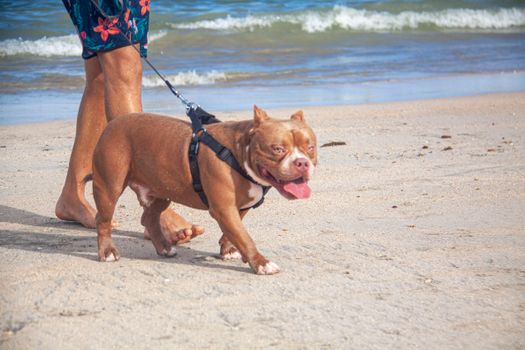
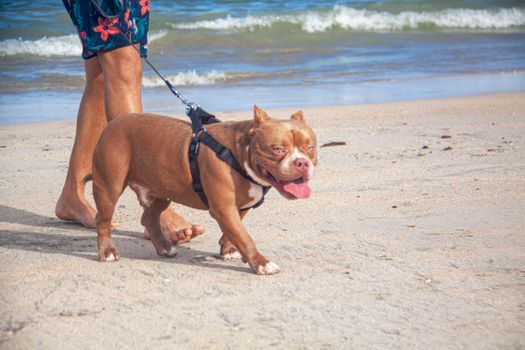
Regular exercise is equally important. While bullies are energetic, strenuous activity must be balanced with their physical limitations, particularly in hot weather. Short, vigorous play sessions and controlled walks help maintain a healthy weight and support cardiovascular health without overexerting their bodies.
Finally, dental hygiene is often overlooked but is vital for this breed. Dental disease can lead to systemic health issues, including heart and kidney problems. Establishing a routine of tooth brushing, dental chews, and professional cleanings can add years to your bully's life.
The Role of Mental and Emotional Well-being in Overall Health
Health in bully breeds isn't limited to the physical. Mental and emotional wellness are equally significant, especially given their deep loyalty and sensitivity to family dynamics. Stress, anxiety, and boredom can manifest as destructive behaviors, excessive barking, or withdrawal.
Enrichment activities such as puzzle toys, obedience training, and socialization with other dogs help keep their minds active and spirits high. According to a 2023 survey from the American Pet Products Association (APPA), dogs engaged in regular mental stimulation showed 33% fewer behavioral problems than those without.
Socialization is especially important for bully breeds, which sometimes face public misconceptions and breed-specific legislation. Positive experiences with new people, places, and animals can help temper anxiety and build confidence, contributing to both emotional stability and improved physical health.
The Impact of Owner Awareness and Lifestyle on Bully Breed Health
Owner knowledge and lifestyle choices play a pivotal role in the lifelong health of bully breeds. The best intentions can fall short if caregivers are unaware of breed-specific risks or neglect crucial aspects of care. For example, a lack of understanding about the dangers of overheating can put brachycephalic bullies at risk during summer months.
According to a 2022 poll by the Human Animal Bond Research Institute, 78% of bully breed owners who participated in breed-specific health education programs reported fewer emergency vet visits and improved pet longevity.
Pet insurance is another aspect owners should consider. Given the higher probability of hereditary conditions, insurance can help offset the costs of specialized treatments, surgeries, or chronic medication. The North American Pet Health Insurance Association reports that bully breeds are among the top ten breeds enrolled in pet insurance policies, underscoring the importance of financial preparedness.
Bully Breed Health and the Family: Beyond the Individual Dog
The health of a bully breed dog doesn't just affect the pet itself—it has ripple effects on the entire family. A healthy bully is a joyful, stable companion, while an unhealthy one can bring emotional distress and financial strain. Children benefit from the reliable companionship of a well-cared-for bully, and families experience less disruption when their pet is thriving.
Furthermore, responsible health management sets a positive example for communities. Healthy, well-behaved bully breeds help to challenge negative stereotypes and promote responsible ownership, fostering better acceptance and integration of these breeds in neighborhoods and public spaces.
Final Thoughts on the Importance of Dog Health in the Bully Breed
Bully breeds are extraordinary dogs with unique charm and devotion, but they require proactive, informed care to live their best lives. Understanding their health profile, addressing breed-specific risks, and prioritizing both physical and emotional well-being are key responsibilities for every owner.
By embracing preventative care, education, and a holistic approach to wellness, owners not only extend their bully’s lifespan but also enhance the bond they share. Investing in bully breed health is an investment in a happier, healthier family and a testament to the love and loyalty these dogs so willingly give.