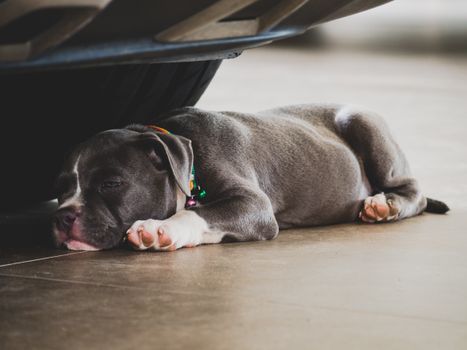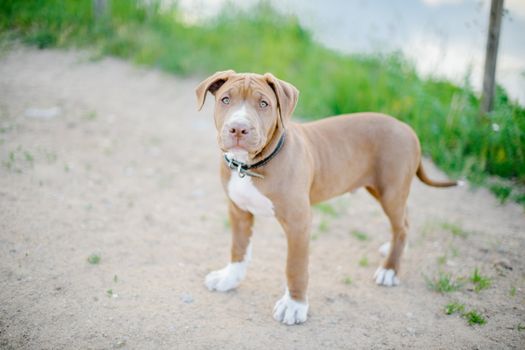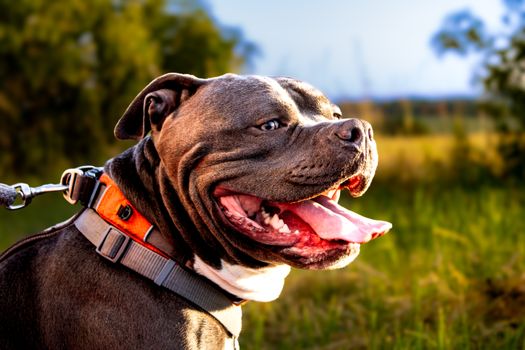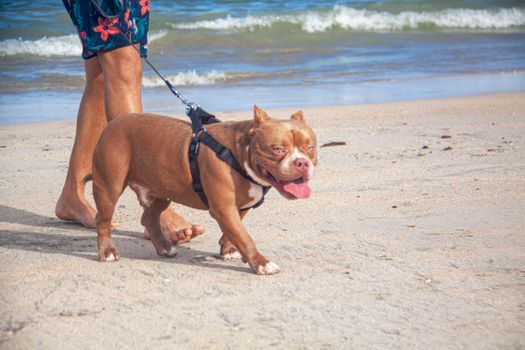
The American Bully is a breed that has rapidly grown in popularity over the past two decades, captivating dog enthusiasts with its striking appearance and loyal temperament. However, what exactly defines an American Bully, and how do breed standards shape the dogs we see today? For owners, breeders, and admirers alike, understanding the American Bully standard is crucial—not only to appreciate the breed’s unique traits but to ensure its healthy future. In this article, we’ll explore the American Bully breed standard in depth: its origins, defining characteristics, variations, and the importance of adhering to these standards for both the dogs and the community that loves them.
The Origins and Evolution of the American Bully Standard
The American Bully breed was officially recognized in the early 2000s, with the American Bully Kennel Club (ABKC) established in 2004 to oversee its development. Unlike older breeds with centuries of history, the American Bully is a modern breed, purposefully developed for companionship, athleticism, and a balanced disposition.
The American Bully’s lineage is rooted primarily in the American Pit Bull Terrier and American Staffordshire Terrier, with selective breeding aimed at emphasizing a more robust physique and a gentler temperament. As the breed grew in popularity, so did the need for a clear and consistent standard to distinguish the American Bully from other bully breeds.
.png)
The ABKC published the first American Bully standard in 2004, focusing on physical attributes, movement, and temperament. Since then, other registries, such as the United Kennel Club (UKC), have adopted their own definitions, but the ABKC standard remains the most widely referenced. These standards help breeders produce healthy, predictable dogs and guide judges at dog shows.
Key Physical Traits Defined by the Standard
To the untrained eye, the American Bully may resemble other bully breeds, but breed standards lay out specific requirements that set it apart. The ideal American Bully is compact, muscular, and athletic, with a confident, friendly demeanor.
Some of the most important physical traits include:
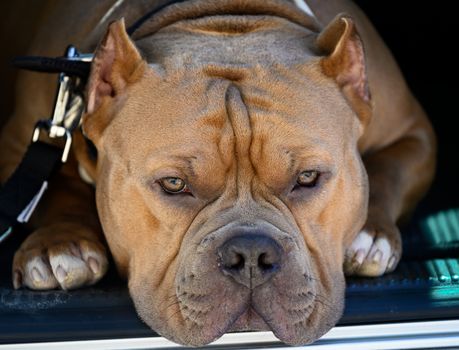
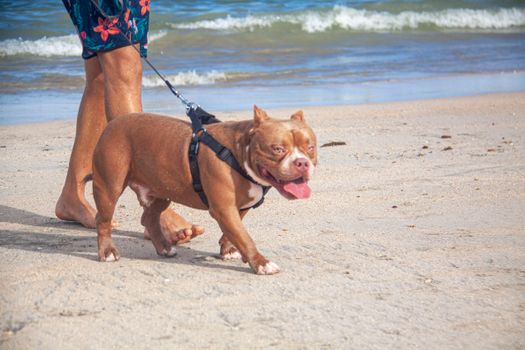
1. Head: The head should be large and broad, with pronounced cheek muscles and a short, square muzzle. Ears may be natural or cropped, and the eyes should be oval and set well apart. 2. Body: The body is heavily muscled but not exaggerated, with a wide chest, level topline, and well-sprung ribs. The breed should appear powerful but never cumbersome. 3. Height and Weight: There are four recognized varieties within the breed (Standard, Pocket, XL, and Classic), each with its own size range. For example, the Standard American Bully typically stands 17–20 inches at the withers for males and 16–19 inches for females. 4. Coat and Color: The coat is short, smooth, and glossy. The breed standard allows for all colors and patterns except merle. 5. Movement: The American Bully should move with a confident, effortless gait, showing both power and agility.Here’s a comparison table highlighting the main differences among the American Bully varieties:
| Variety | Height (Males) | Height (Females) | Build Characteristics |
|---|---|---|---|
| 14–17 inches | 13–16 inches | Shorter, compact, muscular | |
| Standard | 17–20 inches | 16–19 inches | Balanced, athletic, thickset |
| Classic | 17–20 inches | 16–19 inches | Lighter frame, less exaggerated musculature |
| XL | 20–23 inches | 19–22 inches | Largest variety, heavier bone structure |
This diversity within the breed allows future owners to choose a dog that best fits their lifestyle, while still adhering to a consistent set of breed-defining traits.
Temperament and Personality: More Than Just Looks
While the American Bully is known for its impressive physique, the breed standard places just as much importance on temperament. One of the hallmarks of the American Bully is its gentle and friendly nature, making it a favorite among families and dog lovers looking for a loyal companion.
According to the ABKC, the American Bully should exhibit the following behavioral traits:
- Confident but not aggressive: The dog should be alert, outgoing, and eager to please, without showing unwarranted aggression. - Stable and trustworthy: The breed is known for its loyalty and strong bonds with family members, including children. - Social and adaptable: A well-bred American Bully is typically friendly with strangers and other animals when properly socialized.A 2020 ABKC temperament survey found that over 92% of tested American Bullies exhibited stable, friendly behavior, underscoring the breed’s suitability as a companion animal. This emphasis on temperament is critical, as it helps dispel myths about bully breeds and promotes responsible ownership.
Faults and Disqualifications: What the Standard Rejects
Breed standards are not just a wish list of desired traits—they also specify faults and disqualifying features to protect the integrity of the breed. These guidelines help breeders avoid producing dogs with health issues or traits that undermine the American Bully’s purpose.
Common faults in the breed standard include:
- Excessive or insufficient musculature - Weak or roached back - Snipey (narrow) muzzle - Overly aggressive or timid behavior - Lack of breed type (resembling another breed)Disqualifications are more serious and may include:
- Albinism (complete lack of pigment) - Merle coat pattern (due to associated health risks) - Unilateral or bilateral cryptorchidism (undescended testicles) - Severe aggression or overly shy demeanorThese strict guidelines are not intended to exclude dogs unnecessarily, but to encourage ethical breeding practices and healthier dogs. For example, the exclusion of the merle gene is based on research showing increased risks of deafness and eye defects in dogs with this pattern.
The Role of Breed Standards in Shows and Ethical Breeding
Breed standards play a central role in dog shows and ethical breeding programs. At sanctioned events, judges use the standard as a blueprint, evaluating each dog’s conformation, movement, and temperament against the ideal described in the official document.
In 2023, the ABKC reported that over 12,000 American Bullies were shown at official events worldwide, reflecting the breed’s growing prominence. For breeders, adhering to the standard is essential not only for success in the show ring but for maintaining the health and reputation of the breed.
Good breeders use the standard to guide their selection of breeding stock, prioritizing dogs that demonstrate the desired traits while screening out those with faults or genetic health concerns. This process helps reduce the risk of inherited diseases and ensures that puppies are predictable in appearance and temperament.
Breed standards also serve as an educational tool for new owners, helping them understand what to expect from their dog and what constitutes responsible ownership. By understanding the standard, owners can better advocate for their pets and contribute to the positive image of the American Bully community.
Why Understanding the American Bully Standard Matters
The American Bully standard is more than a checklist for dog shows—it’s a roadmap for preserving the breed’s health, temperament, and unique appeal. For breeders, it safeguards the future of the breed by promoting ethical practices. For owners, it helps set realistic expectations and supports responsible ownership.
Key facts underscore the importance of these standards:
- The American Bully is one of the fastest-growing breeds in the United States, with ABKC registrations increasing by over 20% annually since 2018. - Temperament testing shows that American Bullies are among the most stable companion breeds, with a pass rate above 90% on standardized tests. - Responsible breeders who follow the standard report lower rates of genetic health issues, such as hip dysplasia and congenital heart defects.Ultimately, understanding the American Bully standard benefits everyone involved with the breed—from breeders and judges to families and communities. It ensures that the American Bully remains a healthy, happy, and respected member of the canine world.