The Unique Characteristics of the American Bully Breed: What Sets Them Apart
The American Bully is a breed that captures attention wherever it goes, thanks to its striking appearance and charismatic personality. Developed in the United States in the late 20th century, the American Bully has rapidly gained popularity—not just as a companion animal, but as a symbol of strength, loyalty, and family-friendly temperament. While often misunderstood due to its resemblance to other bully breeds, the American Bully stands out with a unique set of characteristics that make it truly one-of-a-kind. Whether you are a prospective owner, a dog enthusiast, or simply curious about this breed, understanding what makes the American Bully unique is essential for appreciating its special place in the canine world.
The Origins and Purpose of the American Bully
Unlike many traditional breeds that have existed for centuries, the American Bully is a relatively new addition to the dog world. It was created in the United States during the 1980s and 1990s by selectively breeding American Pit Bull Terriers, American Staffordshire Terriers, and other bulldog-type breeds. The goal was to develop a companion dog with the muscle and presence of a "bully" breed but without the intense drive and aggression often associated with its ancestors.
The breed was officially recognized by the American Bully Kennel Club (ABKC) in 2004. Since then, it has been categorized into four primary size varieties: Pocket, Standard, Classic, and XL. Despite its intimidating look, the American Bully was never intended for dog fighting or aggressive work. Instead, breeders focused on producing a dog with a stable temperament, making it ideal for families and individuals alike.
.png)
Key fact: According to ABKC statistics, registrations for American Bullies have grown by over 200% since 2010, reflecting a surge in their popularity as household pets.
Physical Traits: More Than Just Muscle
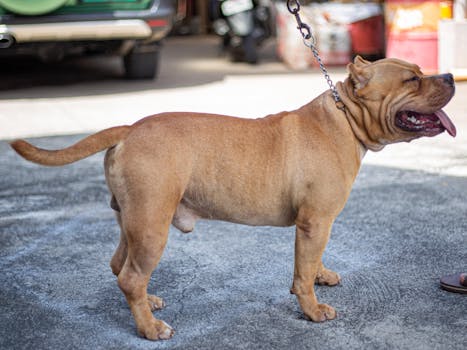
The American Bully is instantly recognizable due to its robust and athletic build, but there’s far more to its appearance than sheer muscle. Typically, they stand between 13 to 20 inches tall at the shoulder, depending on variety, and can weigh anywhere from 30 to 150 pounds.
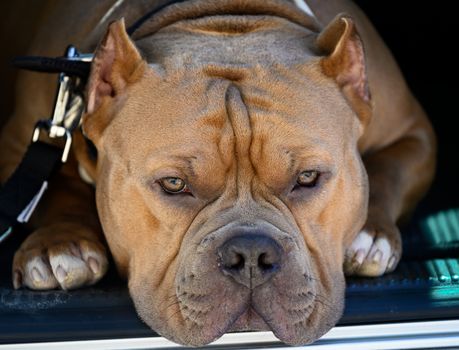
Distinctive features include a broad, blocky head; pronounced cheek muscles; a deep chest; and a short, glossy coat. Their skin is tight, and their ears may be cropped or natural. Unlike other bully breeds, the American Bully exhibits a more compact and low-to-the-ground profile, giving it a unique silhouette.
What truly stands out is the breed's immense variety in color and pattern. American Bullies can display nearly every coat color and marking imaginable, from solid blacks and blues to brindles, tri-colors, and even rare lilac and champagne hues.
Comparison Table: American Bully vs. Other Bully Breeds
| Breed | Height (inches) | Weight (lbs) | Temperament | Purpose | Coat Colors |
|---|---|---|---|---|---|
| American Bully | 13–20 | 30–150 | Gentle, loyal, outgoing | Companion | Wide variety |
| American Pit Bull Terrier | 17–21 | 30–65 | Energetic, intelligent, driven | Working, sport | Limited variety |
| American Staffordshire Terrier | 17–19 | 40–70 | Confident, good-natured | Companion, show | Several solid and mixed |
| English Bulldog | 14–15 | 40–55 | Docile, friendly | Companion | Few standard colors |
Temperament: The Family-Friendly Bully
One of the most notable characteristics of the American Bully is its exceptional temperament. Contrary to some public perception, American Bullies are renowned for their gentle and affectionate nature. They form deep bonds with their families and are known for being particularly good with children.
According to a 2022 temperament test conducted by the American Temperament Test Society (ATTS), American Bullies passed with a rate exceeding 87%, a score that places them among the most stable and predictable breeds. They are loyal, eager to please, and generally sociable with both people and other animals when properly socialized.
The breed is also celebrated for its confidence and composure. While they are alert and protective, American Bullies are not naturally aggressive. Instead, they excel as loving companions who thrive on attention, playtime, and involvement in family activities.
Fact: Surveys of American Bully owners consistently show that over 90% describe their dogs as “very affectionate” and “great with kids,” making them stand out among other bully breeds.
Trainability and Intelligence: Eager Learners with a Willing Attitude
The American Bully isn’t just a pretty face—this breed boasts a sharp mind and a desire to learn. Thanks to their eagerness to please and deep connection with their owners, American Bullies often excel in obedience training. They respond best to positive reinforcement methods, such as treats, praise, and play.
Unlike some dog breeds that are prone to stubbornness or independence, American Bullies are generally cooperative. Early socialization and training are important, not because the breed is inherently problematic, but to ensure their best qualities shine through. Proper guidance from puppyhood helps them develop into well-mannered adults with reliable recall and excellent manners.
Examples of their trainability include participation in canine sports such as agility, weight pulling, and even therapy work. In fact, an increasing number of American Bullies are being certified as therapy and emotional support animals, thanks to their calm demeanor and people-oriented personalities.
Health and Longevity: Robust but Not Without Risks
American Bullies are, overall, a healthy breed, with a life expectancy of 10 to 13 years. Their robust constitution comes from a diverse genetic background, but like all purebred dogs, they are prone to certain health issues.
Some of the most common health concerns include:
- Hip and elbow dysplasia - Skin allergies and irritations - Heart conditions (such as congenital heart disease) - Brachycephalic syndrome in varieties with shorter muzzlesA 2021 survey by the Orthopedic Foundation for Animals (OFA) reported that approximately 21% of American Bullies tested showed some degree of hip dysplasia—a rate comparable to other mid-sized, muscular breeds. Responsible breeders work diligently to minimize these risks by conducting health screenings and selecting only the healthiest dogs for breeding.
Routine veterinary care, a balanced diet, and regular exercise are essential for keeping American Bullies healthy and happy. Because the breed can be prone to weight gain, daily walks and engaging activities are especially important.
The Social Impact and Misconceptions of the American Bully
Despite their many positive traits, American Bullies often face public misconceptions due to their muscular build and association with other bully breeds. Media portrayals sometimes unfairly group them with more aggressive breeds, or perpetuate myths about their temperament.
However, advocacy groups and breed enthusiasts have been working to reshape perceptions. For example, the American Bully Kennel Club has launched educational campaigns and public events to showcase the breed's gentle, family-friendly side. Today, more landlords, insurance companies, and communities are recognizing the difference between American Bullies and other breeds, helping to reduce breed-specific discrimination.
It’s important to remember that, like any dog, the behavior of an American Bully depends largely on its upbringing, training, and socialization. When given proper care and guidance, these dogs are among the most affectionate and dependable companions you can find.
Final Thoughts: Celebrating the Uniqueness of the American Bully
The American Bully is a testament to the power of selective breeding in creating a dog that is both impressive in stature and gentle in spirit. With their striking looks, friendly nature, and adaptability, American Bullies have carved out a unique niche in the dog world. They are proof that “bully” does not mean “dangerous”—in fact, it can mean loyal, loving, and an irreplaceable part of the family.
Whether you are considering adding an American Bully to your home or simply want to understand what makes them special, one thing is clear: their combination of physical prowess, intelligence, and affectionate temperament sets them apart from any other breed.