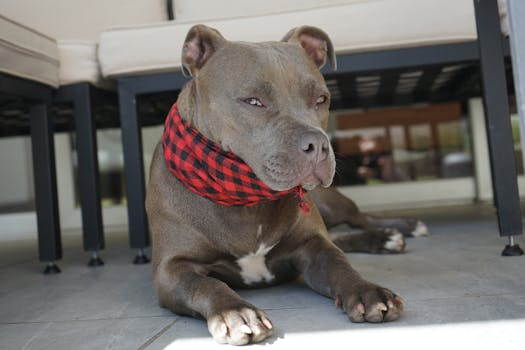
The American Bully is a breed that combines strength with sweetness, making it a popular choice among dog enthusiasts around the world. Originating in the United States during the 1980s and 1990s, the breed was developed with the goal of creating a companion animal that possessed both the physical robustness of bulldog-type breeds and the friendly demeanor of family pets.
Origins of the American Bully
The breed's development involved the American Pit Bull Terrier and various other bulldog-type breeds, with breeders selecting traits that emphasized a gentle temperament without sacrificing the physical prowess characteristic of these dogs. This selective breeding was aimed at producing a dog that was both a capable guardian and a loyal companion.
.png)
Breed Recognition and Standards
Recognition of the American Bully has grown over the years with canine organizations such as the American Bully Kennel Club (ABKC), which was established in 2004. The ABKC and other organizations have been instrumental in setting breed standards that highlight the American Bully’s unique physical and temperamental traits. These standards help maintain the breed’s quality and health by guiding responsible breeding practices.
Physical and Temperament Traits
The American Bully is known for its impressive build, featuring a muscular frame, broad chest, and a commanding presence. Despite its formidable appearance, the breed is renowned for its affectionate nature, intelligence, and loyalty. The American Bully is very family-oriented and protective, making it an excellent companion, particularly in households with children. Its temperament is one of the breed’s most cherished attributes, often described as friendly and outgoing.
Classification and Varieties
The breed is categorized into several varieties based on size and build, including Standard, Classic, Pocket, and XL. Each category adheres to specific height and weight standards but retains the hallmark traits of temperament and physicality that define the American Bully.
Health and Breeding
Responsible breeding practices are crucial in maintaining the health and welfare of the American Bully. Breeders prioritize genetic testing and health screenings to prevent the propagation of inheritable conditions and to enhance positive traits such as sociability and trainability. These efforts contribute to the breed’s overall health and longevity.
Challenges and Misconceptions
Despite its many positive qualities, the American Bully has faced challenges related to public perception, often due to its association with the Pit Bull breed, which is itself misunderstood. Education and responsible ownership are key to overcoming these challenges, helping the public to understand the breed's true nature as a loving and dependable family pet.
Popularity and Cultural Impact
The popularity of the American Bully continues to rise, both in the U.S. and internationally. As more people become familiar with the breed's favorable characteristics, its reputation as a versatile and adaptable family companion grows. The breed's ability to thrive in a variety of living conditions and its eagerness to bond with humans contribute to its growing appeal.
Conclusion
The history and evolution of the American Bully reflect a journey towards perfecting a breed that embodies both physical strength and a gentle soul. Through the dedication of breeders and the love of families who have welcomed these dogs into their homes, the American Bully has carved out a significant place in the world of canine breeds. Looking forward, the breed's future is bright, with ongoing efforts to promote understanding and responsible care ensuring that the American Bully remains a cherished companion for generations to come.