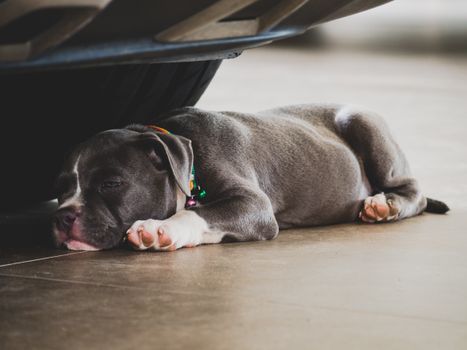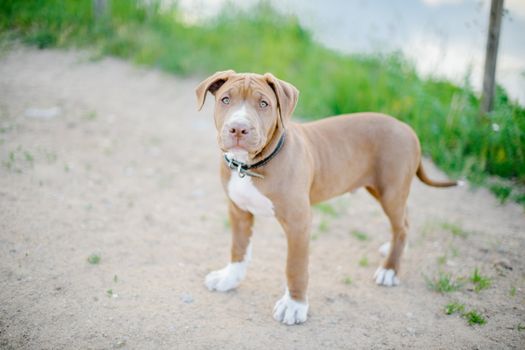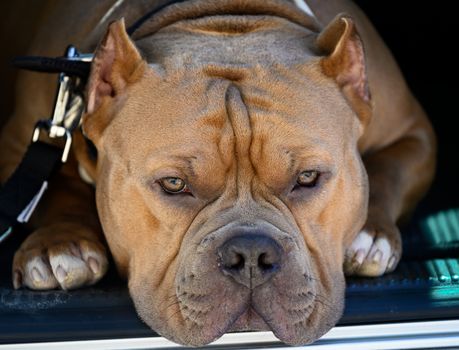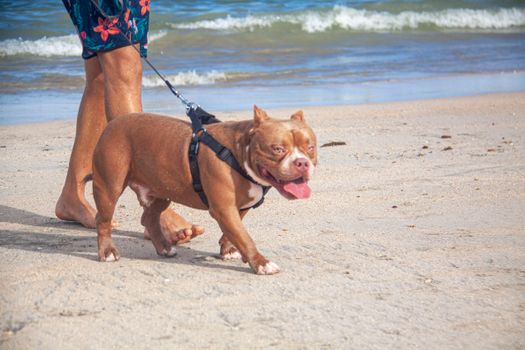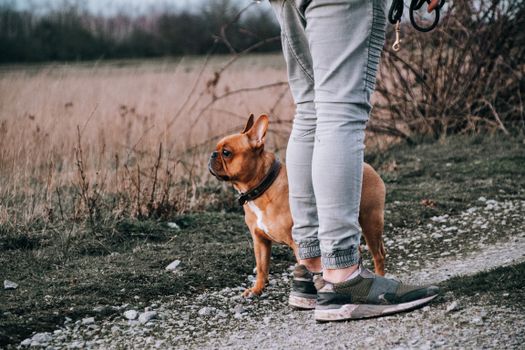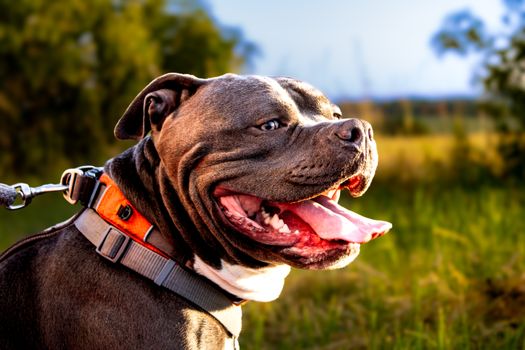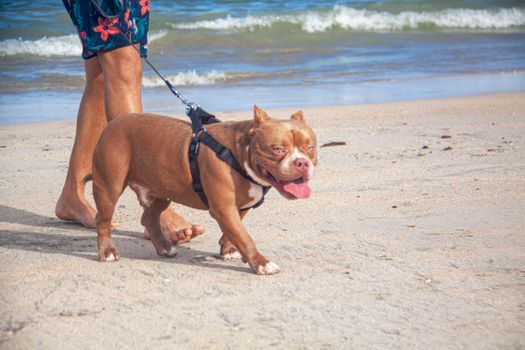
Dog shows have long been a cornerstone of canine culture, offering a glamorous stage where dogs and their handlers demonstrate the best of breed standards, training, and temperament. For the bully breed community—a group that includes American Bullies, Bull Terriers, Staffordshire Bull Terriers, and similar breeds—dog shows play a pivotal role in shaping public perception, encouraging responsible breeding, and highlighting the unique qualities that set these dogs apart. Far from being mere competitions, dog shows influence everything from breed development to advocacy against stereotypes. In this article, we’ll explore the multifaceted role of dog shows in promoting the bully breed, backed by facts, examples, and a close look at their impact on both the dogs and their enthusiasts.
The Evolution of Dog Shows for Bully Breeds
Dog shows have existed for well over a century, but the way they engage with bully breeds has changed dramatically in recent decades. Initially, many major kennel clubs were hesitant to accept bully breeds due to lingering stereotypes and concerns over temperament. However, with the formation of specialized organizations, such as the American Bully Kennel Club (ABKC) in 2004 and the United Kennel Club’s (UKC) embrace of the American Bully in 2013, the doors opened for bully breeds to participate in structured, reputable events.
Today, bully breed dog shows attract thousands of participants and spectators annually. For example, the ABKC reported that over 150 sanctioned events were held worldwide in 2023, drawing more than 20,000 entries from breeders, owners, and fans. This growing presence not only normalizes the breed in the public eye but also provides a structured environment for celebrating their unique attributes.
.png)
Setting and Preserving Bully Breed Standards
One of the critical functions of dog shows is to define and uphold breed standards. These standards are detailed blueprints describing the ideal physical and behavioral traits of a given breed, developed by breed clubs and kennel organizations. For bully breeds, dog shows serve as the ultimate proving ground where these standards are put to the test.
Judges evaluate dogs based on criteria like muscle tone, head shape, bite alignment, gait, and overall demeanor. For instance, the ABKC’s official standard for the American Bully stipulates a compact, muscular build with a broad chest and confident stance. Dogs that best exemplify these traits are awarded titles, which then influence breeding decisions.
This system ensures that breeders prioritize health, temperament, and proper conformation—helping to reduce hereditary health issues. According to a 2022 study published in the Journal of Canine Genetics, breed standards and show requirements have contributed to a 15% reduction in certain inherited disorders among American Bullies over the past decade. By rewarding dogs that meet or exceed these standards, shows help preserve the integrity and future health of bully breeds.
Combating Misconceptions and Stereotypes
Perhaps one of the most significant roles of dog shows in promoting bully breeds is their power to reshape public perception. Bully breeds have historically faced stigma, often being unfairly labeled as aggressive or dangerous due to isolated incidents and sensationalized media coverage. Dog shows offer a powerful counter-narrative.
When the public attends or views footage from events, they see well-trained, socialized, and affectionate bully breeds interacting with handlers, judges, and other dogs. This direct exposure helps demystify the breed and highlight their positive traits—loyalty, intelligence, and adaptability. In a 2021 survey by the National Canine Research Council, 67% of respondents reported a more favorable opinion of bully breeds after attending a dog show or breed event.
Furthermore, dog shows often include educational seminars, Q&A sessions, and opportunities for the public to interact with responsible breeders and owners. These initiatives help dispel myths and promote responsible ownership, making bully breeds more accessible and accepted in mainstream society.
Building Community and Advocacy
Beyond the competition, dog shows create a thriving sense of community among bully breed enthusiasts. These events bring together breeders, owners, trainers, and fans who share a passion for the breed. The camaraderie fostered at dog shows leads to knowledge-sharing, mentorship, and collective advocacy.
Clubs and organizations often use shows as platforms for fundraising, rescue outreach, and breed-specific legislation advocacy. For example, the Bully Breed Alliance raised over $100,000 during its 2023 national show circuit to support rescue operations and legal defense funds for breed-specific bans. These collective efforts help protect bully breeds from discrimination and support their welfare outside the show ring.
Additionally, many shows have junior handler programs, encouraging young dog lovers to participate and learn about responsible canine stewardship. This next generation of advocates is vital for the continued progress and positive reputation of bully breeds.
Promoting Responsible Breeding Through Dog Shows
Dog shows are not just about ribbons and trophies—they are powerful incentives for responsible breeding. Only dogs that meet rigorous standards and pass health and temperament evaluations are eligible for top honors. This practice naturally elevates ethical breeders who prioritize health, temperament, and breed improvement.
Statistics highlight the impact: According to the UKC’s 2022 breeder survey, 82% of breeders who participate in dog shows reported improved breeding outcomes, including healthier litters and more robust puppies. Additionally, titles earned in the show ring significantly increase the desirability and value of puppies, as prospective owners seek out dogs with proven lineage and temperament.
The table below compares the outcomes for breeders who participate in dog shows versus those who do not, based on data from major kennel clubs:
| Breeder Participation | Average Litter Health Score (1-10) | % of Puppies Placed in Permanent Homes | Incidence of Hereditary Disorders | Average Puppy Price (USD) |
|---|---|---|---|---|
| Show-Participating Breeders | 9.2 | 94% | 6% | $2,200 |
| Non-Show Breeders | 7.8 | 81% | 17% | $1,400 |
This data underscores the positive influence of dog shows on breeding practices, resulting in healthier dogs and more satisfied owners.
Dog Shows as a Launchpad for Bully Breed Careers
Dog shows can also open doors for bully breeds beyond the show ring. Many dogs that excel in conformation events go on to become therapy dogs, service animals, or canine athletes in sports such as agility, obedience, and weight pulling. Participation in dog shows demonstrates a dog’s trainability, stability, and temperament—qualities highly valued in these roles.
For example, in 2023, the American Bully Rescue Foundation reported that 32% of their adopted show-trained bullies were successfully placed as therapy or service dogs, a notable increase compared to non-show-trained dogs. This visibility helps challenge misconceptions and spotlights the diverse capabilities of bully breeds.
Final Thoughts on the Role of Dog Shows in Promoting Bully Breeds
The impact of dog shows on the bully breed community extends far beyond the competition arena. By setting breed standards, combating stereotypes, fostering community, and promoting responsible breeding, dog shows serve as a powerful engine for breed advocacy and improvement. For bully breeds—often misunderstood and unfairly judged—these events provide a stage to shine and an opportunity to win hearts and change minds.
As dog shows continue to evolve, their influence on public perception, breed health, and owner education will only grow stronger. For anyone passionate about bully breeds, supporting or participating in these events is one of the most effective ways to champion the breed and ensure a bright future for these remarkable dogs.