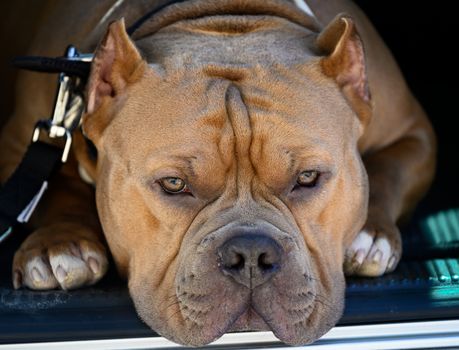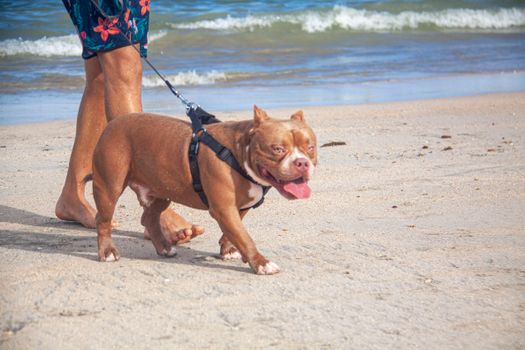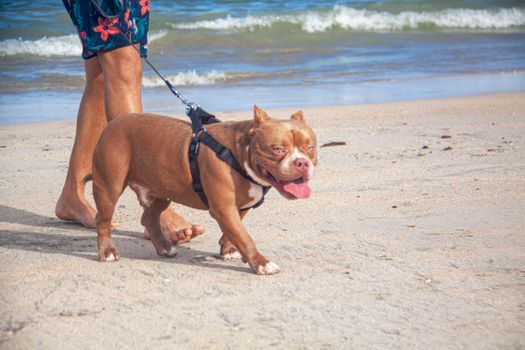
Feeding your American Bully the right way at every stage of life is one of the most important aspects of responsible ownership. This powerful, muscular breed has unique nutritional needs that evolve as they grow from playful puppies to energetic adults and then into dignified seniors. Understanding how to tailor your American Bully’s diet by age will set the foundation for a lifetime of health, energy, and happiness.
In this article, you’ll discover how to properly feed your American Bully at each stage, learn about the key nutrients required, get tips on meal frequency, and see sample feeding schedules. Whether you’re a new owner or seeking to optimize your dog’s health, this guide covers everything you need to know.
The Critical Role of Age-Appropriate Nutrition for American Bullies
American Bullies are not your average dogs. Known for their impressive muscle mass and athletic physique, they require a diet that supports growth, energy, and overall health. However, their nutritional needs change drastically as they age.
.png)
For instance, American Bully puppies can grow up to 2-3 pounds per week and may reach 70-120 pounds as adults, depending on their class (Pocket, Standard, Classic, or XL). Rapid growth and high energy demands call for a different balance of nutrients than those needed by an adult or senior Bully.
Feeding your Bully according to their life stage helps: - Support healthy bone and muscle development in puppies - Maintain muscle mass and energy in adults - Prevent obesity and joint issues in seniorsA mistake in nutrition at any stage can lead to issues such as hip dysplasia, poor muscle tone, or even shortened lifespan. According to the American Kennel Club, up to 25% of large-breed dogs develop joint or skeletal problems due to improper feeding during growth periods. This statistic underlines the importance of a tailored approach.
Feeding American Bully Puppies: Building the Foundation
The first year of your Bully’s life is all about laying the groundwork for a strong, healthy adult dog. Puppies require a calorie-dense diet rich in protein, fat, calcium, and phosphorus to fuel their rapid growth.
Key Guidelines for Feeding Bully Puppies: - $1 Look for puppy food with at least 28-32% protein from high-quality animal sources. Protein is crucial for muscle and tissue development. - $1 Healthy fats (15-20%) supply energy and support brain development. - $1 The right ratio (generally around 1.2:1 calcium to phosphorus) supports healthy bone growth and reduces the risk of skeletal disorders. - $1 Feed puppies 3-4 times per day until they are 6 months old, then gradually reduce to 2 meals per day. Sample Schedule: - 8-12 weeks: 4 meals/day - 3-6 months: 3 meals/day - 6-12 months: 2 meals/dayAvoid overfeeding, as excess weight puts pressure on developing joints. Use the body condition score (BCS) method to monitor your puppy’s physique—ribs should be palpable but not visible.
Example: A 4-month-old Standard American Bully weighing 30 pounds may need around 1,100-1,300 calories per day, depending on activity level.
Transitioning to Adult Nutrition: Maintaining Muscle and Energy
Once your Bully reaches adulthood (typically 12-18 months), their growth rate slows and their nutritional needs shift. Adult Bullies need diets that support lean muscle maintenance, sustained energy, and overall health.
Key Points for Adult American Bully Feeding: - $1 25-30% protein continues to support muscle mass. - $1 12-16% fat for energy and a shiny coat. - $1 Carbs are not essential but can provide an extra energy source for active dogs. - $1 Most adults do best with 2 meals per day, minimizing the risk of bloat and helping regulate energy.Monitor your dog’s weight and adjust portion sizes accordingly. Adult Bullies are prone to weight gain if overfed, which can lead to heart and joint problems.
Example: An adult Standard American Bully weighing 70 pounds may require 1,300-1,700 calories per day, depending on activity and metabolism.
Senior American Bullies: Nutrition for Longevity and Comfort
As your Bully enters their senior years (around 7 years and older), their metabolism slows and health priorities change. Seniors are more prone to weight gain, arthritis, and decreased muscle mass.
Nutritional Adjustments for Seniors: - $1 Reduce calorie intake to prevent obesity. - $1 Maintain protein levels (around 25%) to slow muscle loss. - $1 Look for foods with added glucosamine and chondroitin for joint health. - $1 Senior formulas often include more fiber and easily digestible ingredients.Meal frequency can remain at 2 meals per day. If your senior Bully has dental issues, consider wet food or soaking kibble to make eating easier.
Example: A 9-year-old Bully weighing 60 pounds may need only 1,000-1,200 calories per day if less active.
Comparing Nutritional Needs by Age: American Bully Feeding Table
To help you visualize the dietary evolution, here’s a comparison of American Bully nutritional needs at different life stages:
| Life Stage | Calories per Day | Protein (%) | Fat (%) | Meals per Day | Key Considerations |
|---|---|---|---|---|---|
| Puppy (2-6 months) | 900-1,500 | 28-32 | 15-20 | 3-4 | Growth, bone/joint health |
| Junior (6-12 months) | 1,100-1,700 | 28-30 | 15-18 | 2-3 | Muscle development |
| Adult (1-7 years) | 1,300-2,000 | 25-30 | 12-16 | 2 | Energy, weight maintenance |
| Senior (7+ years) | 900-1,400 | 22-26 | 10-14 | 2 | Weight control, joint support |
These ranges are general guidelines. Always adjust based on your individual dog’s size, activity, and health status. Consult your veterinarian for personalized advice.
How to Choose the Best Food for Each Stage
Selecting the right food for your American Bully is about more than just reading the label. Here’s what to look for at each life stage:
- $1 Seek out large-breed puppy formulas with clear labeling. Avoid foods with excessive calcium, which can cause skeletal issues. - $1 Choose high-quality, protein-rich kibble or raw diets. Avoid foods with fillers like corn, soy, or by-products. - $1 Opt for senior-specific diets with added antioxidants and joint-supporting nutrients.Consider rotating protein sources (chicken, beef, fish, lamb) to prevent food sensitivities. Some owners prefer raw or home-cooked diets, but these require careful balancing of nutrients—always consult a canine nutritionist.
Special Note: American Bullies are prone to food allergies, especially to grains and certain proteins. If your dog shows signs of allergies (itching, ear infections, digestive upset), try a limited-ingredient or hypoallergenic diet.
Supplements and Treats: What’s Safe and Smart?
While a complete commercial diet usually covers all nutritional bases, some situations call for supplements: - $1 Glucosamine and chondroitin for aging Bullies - $1 For skin, coat, and anti-inflammatory benefits - $1 For digestive health, especially if your Bully has a sensitive stomachUse treats sparingly—they should make up no more than 10% of daily caloric intake. Opt for healthy choices like small pieces of cooked meat, fruits (apple slices, blueberries), or commercial treats designed for muscle support.
Avoid dangerous foods such as chocolate, grapes, onions, and anything with xylitol.
Final Thoughts on Feeding Your American Bully by Age
Your American Bully’s diet is a lifelong investment in their health, happiness, and longevity. From maximizing growth in puppyhood to supporting joint health in the senior years, age-appropriate feeding is crucial. Remember to monitor your dog’s weight, body condition, and energy, and adjust their diet as needed.
Regular vet checkups, body condition scoring, and a little research into nutrition labels will keep your Bully thriving at every stage of life. A well-fed Bully is a happy, energetic, and loyal companion for years to come.