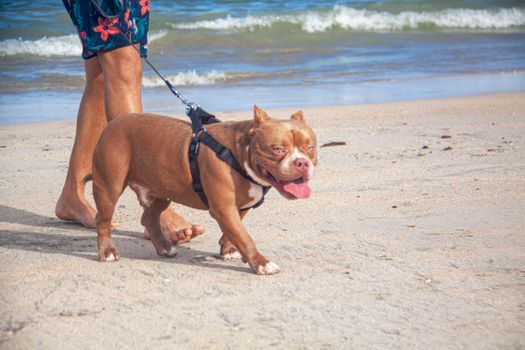
Training an American Bully: A Step-by-Step Guide to Building Trust and Obedience
American Bullies are renowned for their muscular build, loyalty, and affectionate temperament. Despite their imposing appearance, these dogs are often gentle, making them excellent family companions. However, their strength and intelligence require dedicated training to ensure they grow into well-mannered pets. If you’re considering bringing an American Bully into your home or want to enhance your current dog's behavior, this step-by-step guide will help you navigate the training process with confidence. By focusing on relationship-building, structured routines, and advanced techniques, you'll unlock your American Bully’s full potential.
Understanding the American Bully Temperament
Before diving into training methods, it’s crucial to grasp what makes the American Bully unique. Developed in the 1990s by combining several bully breeds, including the American Pit Bull Terrier and the American Staffordshire Terrier, the American Bully was bred for companionship rather than aggression. According to the United Kennel Club, this breed is “gentle and friendly, outgoing, and eager to please.”
Key temperament traits include: - High intelligence and problem-solving ability - Strong desire for social interaction with humans - Protective instincts without excessive aggressionThese qualities mean American Bullies are trainable but can become bored or stubborn if not engaged. A 2022 survey by the American Bully Kennel Club revealed that 83% of owners who used positive reinforcement reported “significantly improved behavior and stronger dog-owner bonds” compared to those who relied on punishment-based techniques.
.png)
Creating a Structured Training Environment
A successful training program starts with the right environment. American Bullies thrive on consistency and structure. Here’s how to set the stage for effective learning:
1. $1 Dogs learn best with predictable schedules. Set specific times for feeding, walks, training, and play. According to a 2021 University of Lincoln study, dogs with structured routines exhibited 40% fewer behavioral issues. 2. $1 Use quiet, low-distraction areas for initial training sessions. Gradually introduce distractions as your dog progresses. 3. $1 American Bullies are food-motivated. Keep small, healthy treats on hand, but also use praise and affection as rewards. 4. $1 Basic tools include a sturdy leash, a comfortable collar or harness, and interactive toys. Avoid harsh collars or physical corrections; these can damage trust.Starting with a solid foundation ensures your American Bully feels secure and ready to learn.
Mastering Basic Commands: The Building Blocks of Obedience
Every well-behaved American Bully should know fundamental commands. These not only prevent unwanted behaviors but also enhance safety for both dog and owner.
The most essential commands are:
- $1 Teaches impulse control. Hold a treat near your dog’s nose, move it upward, and say “sit.” Reward when your dog’s bottom hits the ground. - $1 Builds patience. Ask your dog to sit, then say “stay” while holding your hand out. Gradually increase the duration before rewarding. - $1 Improves recall. Use a cheerful tone and offer a treat when your dog comes to you. Practice in safe, enclosed spaces. - $1 Prevents dangerous ingestion. Present a treat in your closed fist, say “leave it,” and reward only when your dog looks away.Consistency is key. Short, frequent training sessions (5–10 minutes, two to three times daily) yield better results than long, infrequent ones. The American Veterinary Society of Animal Behavior has found that dogs trained with positive reinforcement are 15% more likely to retain commands than those trained with aversive methods.
Socialization: Shaping a Confident, Well-Adjusted Bully
American Bullies are naturally sociable but need proper socialization to prevent fearfulness or reactivity. The critical window for socialization is between 8 and 16 weeks, but dogs of all ages benefit from positive exposure to new experiences.
Key socialization steps include:
1. $1 Invite friends and family of different ages, sizes, and appearances. 2. $1 Begin with calm, vaccinated dogs in neutral settings. Monitor for signs of stress or overstimulation. 3. $1 Parks, busy streets, pet-friendly stores, and different surfaces help build confidence. 4. $1 Gradually introduce household noises (e.g., vacuum cleaners, doorbells) and objects (e.g., umbrellas, hats).Puppy classes and dog-friendly events are excellent opportunities for structured socialization. According to the American Pet Products Association, well-socialized dogs are 33% less likely to develop fear-based aggression.
Addressing Common Training Challenges: Solutions for Stubborn Behaviors
Even with preparation, you may encounter obstacles. American Bullies can be headstrong or distracted, but understanding common issues helps you navigate setbacks.
Common challenges and solutions:
| Challenge | Possible Cause | Solution |
|---|---|---|
| Poor Recall | Distractions, lack of motivation | Practice in low-distraction areas, use high-value treats, gradually increase difficulty |
| Jumping on People | Excitement, seeking attention | Ignore jumping, reward calm greetings, teach “sit” as default behavior |
| Pulling on Leash | High energy, lack of leash training | Use “stop and go” technique, reward slack leash walking, consider front-clip harness |
| Resource Guarding | Fear of losing food/toys | Practice “trade up” with better treats, never forcibly remove items, consult a trainer for severe cases |
Remember, patience and positive reinforcement are essential. If challenges persist, seek help from a certified dog trainer with bully breed experience.
Advanced Training: Unlocking Your American Bully’s Potential
Once your American Bully masters the basics, consider introducing advanced training to keep their mind and body engaged. These dogs excel in a variety of activities that challenge them mentally and physically.
Popular advanced training activities include:
- $1 Navigating obstacle courses builds confidence and physical coordination. Many American Bullies enjoy jumping, weaving, and climbing. - $1 These competitions test your dog’s ability to follow complex commands and routines. - $1 Harness your dog’s powerful nose with scent detection games, which can be done at home or in organized clubs. - $1 With their calm demeanor, many American Bullies make excellent therapy dogs, visiting hospitals, schools, and nursing homes.According to the American Kennel Club, dogs involved in advanced training display 28% fewer behavioral problems and live, on average, 1.5 years longer than less active counterparts.
Why Consistency and Relationship Matter in American Bully Training
Training isn’t just about teaching commands—it’s about forging a lifelong partnership. American Bullies are deeply bonded to their families and respond best to trainers they trust. Consistency in your training methods, expectations, and rewards creates a sense of security for your dog.
A study published in Applied Animal Behaviour Science found that dogs trained by consistent, positive owners were 22% more likely to obey commands in distracting environments. Maintaining a positive attitude, practicing patience, and celebrating progress will turn training into a rewarding journey for both you and your American Bully.