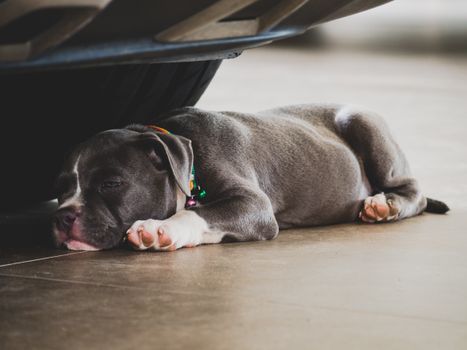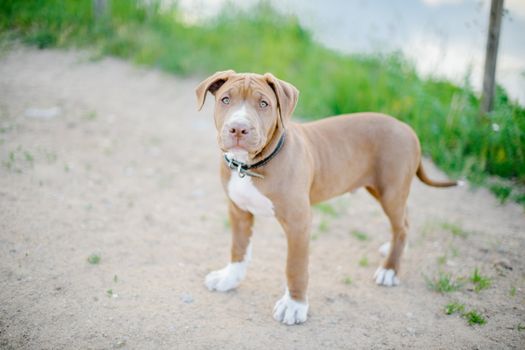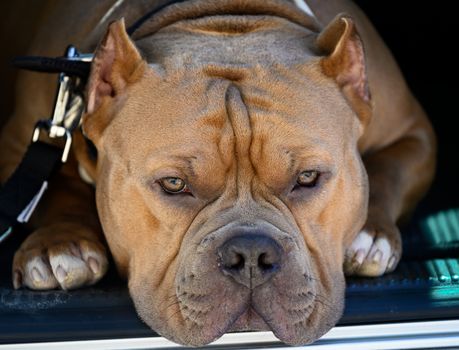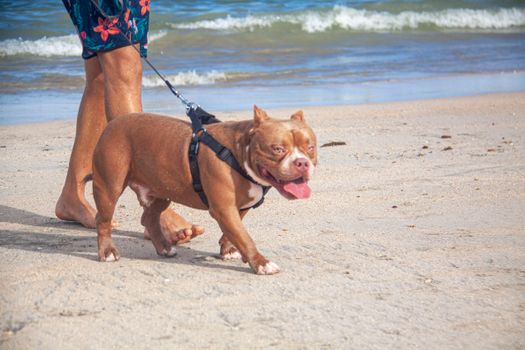
As American Bullies age, their unique build, genetics, and lifestyle put them at risk of specific health challenges. While these loyal, affectionate companions can live long and happy lives, understanding the common health issues in older American Bullies—and how to address them—can make all the difference in their quality of life. This guide dives deep into the most prevalent conditions affecting senior American Bullies and practical steps you can take to help your beloved pet thrive in their golden years.
Understanding the Aging American Bully: What Changes With Age?
Like all dogs, American Bullies undergo physical and behavioral changes as they grow older, typically considered “senior” around 7 to 8 years of age. However, their muscular physique, genetics, and sometimes rapid early growth can accelerate certain age-related issues compared to other breeds.
Aging Bullies may experience: - Reduced mobility and muscle mass - Slower metabolism, leading to weight gain - Decreased immune function - Changes in coat texture and skin elasticity - Heightened risk for chronic diseasesAccording to the American Veterinary Medical Association (AVMA), nearly 40% of dogs over age 7 develop at least one chronic condition. For American Bullies, some health concerns are particularly common due to their breed characteristics and family histories. Early recognition and proactive management of these issues are crucial for helping your Bully age gracefully.
.png)
Joint and Mobility Issues: Osteoarthritis and Hip Dysplasia
Mobility problems are among the most reported health concerns in older American Bullies. Their muscular build puts extra stress on joints, making them more susceptible to conditions like osteoarthritis and hip dysplasia.
- Osteoarthritis affects approximately 20% of all older dogs, causing pain, stiffness, and reduced activity. - Hip dysplasia—a malformation of the hip joint—has a higher prevalence in American Bullies compared to many other breeds, with studies suggesting up to 35% may be affected to some degree. Signs to watch for: - Reluctance to rise or climb stairs - Noticeable limping or “bunny hopping” gait - Difficulty in jumping or playing Addressing Mobility Issues: - Maintain a healthy weight to reduce joint stress; even a 10% weight loss can significantly reduce arthritis pain. - Provide orthopedic dog beds and non-slip surfaces at home. - Discuss joint supplements with your vet; glucosamine, chondroitin, and omega-3 fatty acids have been shown to improve joint comfort. - Consider physical therapy or hydrotherapy, which can increase mobility without stressing the joints.Regular veterinary exams are essential for early detection. Advanced cases may benefit from medications like NSAIDs, prescribed under veterinary supervision to manage pain and inflammation.
Heart and Respiratory Health: Addressing Breed-Specific Risks
American Bullies, especially those with stockier frames and shorter muzzles, can face increased risks of heart and respiratory issues as they age.
Common conditions include: - Dilated Cardiomyopathy (DCM): The heart becomes enlarged and cannot pump blood efficiently. - Brachycephalic Airway Syndrome: Short-nosed dogs may experience breathing difficulties, snoring, and exercise intolerance.Statistics show that heart disease affects roughly 10% of all dogs over the age of 7, with higher rates in certain breeds and lines.
Key symptoms: - Persistent coughing or gagging - Labored or noisy breathing - Reduced exercise tolerance, fainting, or weakness Management Strategies: - Schedule annual or biannual cardiac screenings, especially for senior Bullies. - Maintain a moderate exercise routine to promote heart health without overexertion. - Monitor for early signs of breathing problems, particularly during hot or humid weather. - Feed a balanced diet low in sodium if your dog is diagnosed with heart disease.Medications such as diuretics, ACE inhibitors, or beta-blockers may be prescribed by your vet to manage heart conditions. Early intervention can extend both the lifespan and quality of life for affected dogs.
Skin and Coat Changes: Managing Allergies and Dermatitis
As American Bullies age, their skin may become less elastic and more prone to a range of dermatological issues. Allergies, chronic dermatitis, and even benign skin growths are common in seniors.
Up to 25% of American Bullies develop some form of skin allergy during their lifetime, often showing increased severity with age. Environmental allergens, food sensitivities, and flea bites are top culprits.
Symptoms include: - Chronic itching, scratching, or licking - Red, inflamed, or flaky skin - Hair loss or thinning coat How to Help: - Use gentle, hypoallergenic shampoos and moisturizers designed for sensitive skin. - Keep up with flea and tick prevention year-round. - Identify and eliminate allergens when possible—this may require an elimination diet or allergy testing. - Regularly inspect your Bully’s skin for unusual lumps, bumps, or wounds, and consult a vet for any persistent problems.Skin issues can often be managed with a combination of topical treatments, dietary adjustments, and, in some cases, prescription medications such as antihistamines or corticosteroids.
Dental Disease: The Overlooked Senior Threat
Dental disease is one of the most underdiagnosed health issues in aging dogs. The American Veterinary Dental Society estimates that over 80% of dogs over age 3 show signs of gum disease, and the risk increases with age.
American Bullies are no exception, and senior dogs can suffer from: - Periodontal disease, leading to tooth loss and pain - Bad breath (halitosis) - Difficulty eating or chewing Why it Matters: - Untreated dental disease can lead to infections that affect the heart, liver, and kidneys. - Tooth pain can significantly reduce appetite and overall well-being. Prevention and Treatment: - Brush your Bully’s teeth daily using dog-specific toothpaste and brushes. - Schedule professional dental cleanings as recommended by your vet—typically once per year for seniors. - Offer dental chews or toys designed to reduce plaque buildup, but avoid very hard items that might break teeth.Addressing dental health early can add years to your American Bully’s life and greatly improve their comfort in old age.
Comparing Common Health Issues in Older American Bullies
The table below summarizes the prevalence, symptoms, and management strategies for the most common health issues affecting senior American Bullies.
| Health Issue | Estimated Prevalence | Key Symptoms | Management Strategies |
|---|---|---|---|
| Osteoarthritis & Hip Dysplasia | 20-35% | Limping, stiffness, reluctance to move | Weight management, joint supplements, physical therapy, pain meds |
| Heart Disease | 10-15% | Coughing, breathing difficulty, weakness | Regular screening, exercise moderation, specialized diets, medication |
| Skin Allergies & Dermatitis | Up to 25% | Itching, hair loss, skin redness | Hypoallergenic products, flea control, allergy testing, meds |
| Dental Disease | 80% (all breeds, over age 3) | Bad breath, tooth loss, difficulty eating | Daily brushing, dental chews, professional cleanings |
Proactive Steps for Healthy Aging in American Bullies
While genetics play a significant role in determining your American Bully’s health, proactive care can dramatically improve their chances of a comfortable, vibrant senior life. Here are actionable steps every owner should consider:
1. Regular Veterinary Checkups Senior Bullies should see the vet at least twice a year for comprehensive exams, bloodwork, and screenings tailored to breed risks. Early detection is key for nearly all chronic conditions. 2. Nutrition for Seniors Switch to a high-quality senior dog food around age 7. These formulas are typically lower in calories but rich in joint-supporting nutrients and antioxidants. Monitor your dog’s weight and adjust portions as needed. 3. Mental Enrichment and Gentle Exercise Keep your Bully’s mind sharp with age-appropriate toys, puzzle feeders, and daily gentle walks. Avoid strenuous activities that could strain joints. 4. Home Adjustments Install ramps, non-slip mats, and orthopedic bedding to help your dog navigate your home safely and comfortably. 5. Preventative Medications Stay current with parasite prevention and discuss supplements with your vet to support joint, skin, and heart health.Remember, each dog is unique. Work closely with your veterinarian to tailor care and address your American Bully’s specific needs as they age.
Final Thoughts on Supporting Your Senior American Bully
Caring for an older American Bully is both a privilege and a responsibility. By recognizing the signs of common health issues and taking preventive action, you can ensure your companion enjoys their senior years to the fullest. From managing mobility and heart health to addressing skin and dental care, a proactive approach means more happy, comfortable years together. Your attentiveness and love can make all the difference—helping your American Bully age with dignity, grace, and enduring joy.