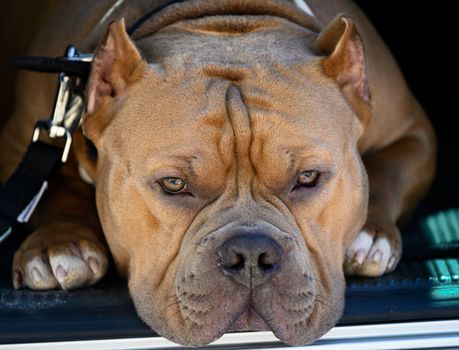
Choosing the Ideal Food for an Active American Bully: Fuel Your Dog's Lifestyle
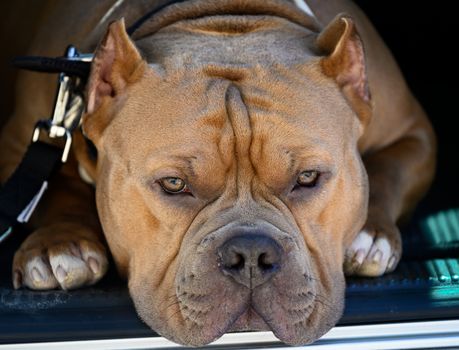
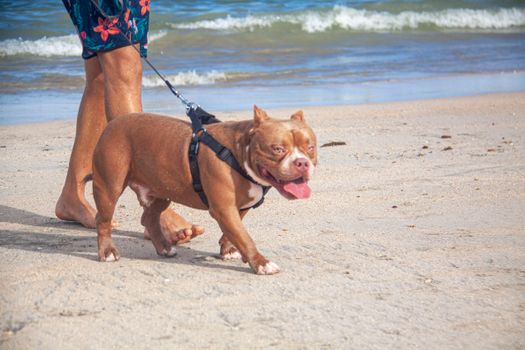
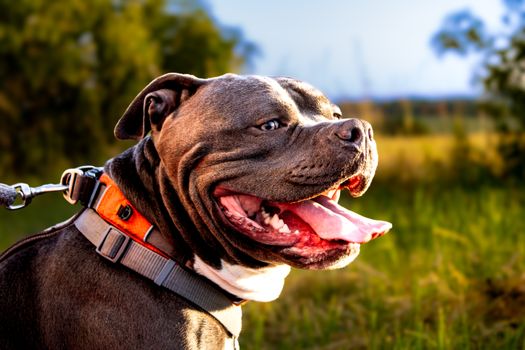
The American Bully is renowned for its muscular build, playful energy, and loyal temperament. For owners of this remarkable breed, choosing the right food isn’t just about filling a bowl—it's about fueling a lifestyle. Active American Bullies have unique nutritional requirements due to their high exercise demands, rapid muscle development, and predisposition to certain health issues. The wrong diet can lead to sluggishness, poor muscle tone, and even long-term health complications. On the other hand, the right diet can make your Bully thrive—from glossy coats to boundless energy.
Whether you’re a first-time owner or looking to upgrade your Bully’s nutrition, this guide will walk you through the science, choices, and strategies behind selecting the perfect food for an active American Bully.
Understanding the Unique Needs of an Active American Bully
American Bullies stand out for their physical prowess. Adult males can weigh between 70-120 pounds, and their daily exercise needs can range from 45 minutes to two hours. Such activity levels demand a balanced diet with a focus on protein, healthy fats, and joint-supporting nutrients.
.png)
Key nutritional needs include:
- $1 Muscle mass and repair rely on quality protein sources. The Association of American Feed Control Officials (AAFCO) recommends a minimum of 22% protein for adult dogs, but active breeds like Bullies often thrive on 28-35%. - $1 Essential for energy. The AAFCO minimum is 5.5%, but most active dog diets contain 12-18% fat. - $1 While not strictly essential, carbs provide quick energy, especially during periods of high activity. - $1 Calcium, phosphorus, vitamin D, and glucosamine support bone and joint health—critical for a breed prone to hip dysplasia. - $1 High-activity dogs lose more water and electrolytes, so moisture-rich diets or added water are beneficial.Ignoring these needs can result in stunted muscle growth, lethargy, or susceptibility to injuries. Therefore, food selection for an active American Bully must go beyond generic dog food options.
Evaluating Protein Sources: Animal vs. Plant Proteins
Protein is the cornerstone of an athletic Bully’s diet. But not all protein sources are created equal. Animal proteins (like chicken, beef, fish, and lamb) are considered "complete," containing all the essential amino acids in the right ratios. Plant proteins, while valuable, often lack one or more essential amino acids and may be less digestible.
A study published in the Journal of Animal Science (2017) found that dogs digest animal proteins up to 15% more efficiently than plant proteins. For American Bullies, this means better muscle repair and maintenance.
Here is a comparison of common protein sources found in dog foods:
| Protein Source | Protein Content (%) | Digestibility (%) | Essential Amino Acids |
|---|---|---|---|
| Chicken (meat) | 27 | 92 | Complete |
| Beef (meat) | 26 | 89 | Complete |
| Fish (salmon) | 25 | 90 | Complete |
| Soy Protein | 36 | 78 | Incomplete |
| Pea Protein | 23 | 74 | Incomplete |
For active Bullies, opt for foods listing real meat as the first ingredient and avoid those relying heavily on pea or soy protein. While plant proteins can supplement, they shouldn't be the primary source.
Decoding Dog Food Labels: What to Look For
Dog food packaging can be overwhelming, with buzzwords like "premium," "grain-free," and "high-protein" everywhere. But informed decisions come from reading beyond the marketing claims. Here’s how to decode the label:
1. $1 These make up the bulk of the food. Look for named animal proteins (e.g., deboned chicken, beef meal) rather than generic "meat" or "by-product." 2. $1 This panel shows minimum percentages of protein and fat, and maximum percentages of fiber and moisture. For active Bullies, seek 28-35% protein and 12-18% fat. 3. $1 This verifies that the food meets minimum nutritional standards. For an active adult Bully, look for foods labeled “complete and balanced” for maintenance or all life stages. 4. $1 Avoid foods with artificial preservatives (BHA, BHT), colors, or flavors. Natural preservatives like mixed tocopherols (vitamin E) and rosemary extract are preferable. 5. $1 Puppies, adults, and seniors have different requirements. Active adult Bullies shouldn’t eat puppy food long-term due to excess calories and calcium.Hidden sugars (like molasses or corn syrup) and excessive fillers (corn, wheat, soy) can lead to weight gain and digestive issues. Instead, seek foods with wholesome carbs like sweet potato or brown rice for sustained energy.
Specialized Diets: Raw, Kibble, Canned, and Fresh Options
The pet food landscape has evolved far beyond basic kibble. Owners now have the luxury—and challenge—of choosing between raw, dry, wet, and fresh-cooked meals. Each has unique advantages and drawbacks for an active Bully.
- $1 Most popular for convenience and dental benefits. Quality varies widely; premium brands offer higher meat content and fewer fillers. - $1 Higher moisture content (up to 78%), which helps with hydration. However, it’s more expensive and may lack the crunch needed for dental health. - $1 Mimic ancestral eating patterns with uncooked meat, bones, and organs. Proponents claim improved muscle tone and energy, but risks include bacterial contamination and unbalanced nutrition if not properly formulated. - $1 Delivered to your door or homemade, these offer whole, lightly cooked ingredients. They are highly digestible and customizable but require careful nutrient balancing.A 2022 survey by the American Pet Products Association found that 30% of American dog owners had tried fresh, raw, or homemade diets at some point. If you’re considering a non-kibble approach, consult a veterinary nutritionist to ensure your Bully’s needs are met.
Balancing Calories and Portion Control for Peak Performance
An active American Bully can burn 20-30% more calories than a sedentary one. Underfeeding can lead to poor stamina and muscle loss, while overfeeding causes obesity—a risk factor for joint problems and heart disease.
Here’s a basic formula for estimating daily calorie needs:
Resting Energy Requirement (RER) = 70 x (body weight in kg)^0.75 Active dogs need 1.6-2.0 times their RER.
For example, a 70-pound (32 kg) Bully:
- RER = 70 x (32)^0.75 ≈ 1,090 kcal/day - Active Needs = 1,740 to 2,180 kcal/dayAdjust portions based on:
- Exercise intensity (working/agility dogs may require more) - Age (puppies and young adults burn more) - Body condition (use a 9-point body condition score: aim for 4-5/9)Always measure food with a scale or cup—not by “eyeballing.” Reassess every month, especially after changes in activity or health.
Supporting Joint, Coat, and Immune Health Through Nutrition
Active Bullies are prone to joint wear, skin sensitivities, and immune challenges due to their energetic lifestyles. The right nutrients can prevent or delay common problems.
- $1 Support cartilage and joint health. These are especially important for Bullies involved in agility, weight-pulling, or frequent running. - $1 Reduce inflammation, support heart health, and promote a shiny coat. Look for EPA and DHA on the label. - $1 Vitamins E and C, as well as beta-carotene, help neutralize free radicals produced by intense exercise. - $1 Support digestive health and immunity. Foods with added probiotics or natural sources like chicory root can help.For example, a 2020 study published in Veterinary Medicine and Science found that dogs supplemented with omega-3s had a 23% reduction in skin problems and a 19% improvement in joint mobility.
Supplementation should be discussed with your veterinarian since excesses can be harmful, especially with fat-soluble vitamins.
Final Thoughts on Nourishing Your Active American Bully
Your American Bully’s diet is the foundation of their vitality, performance, and long-term health. By focusing on high-quality animal proteins, the right balance of fats and carbs, and careful portion control, you can help your energetic companion reach their potential—whether in the yard, on the trail, or just enjoying life by your side.
Remember, there is no universal "best" food for every Bully. Monitor your dog's body condition, energy levels, coat quality, and stool consistency. Consult your veterinarian before making major dietary changes, especially if your Bully has allergies or pre-existing health conditions.
Feeding your active American Bully is about more than just nutrition—it’s about sharing a lifestyle of health, happiness, and adventure.