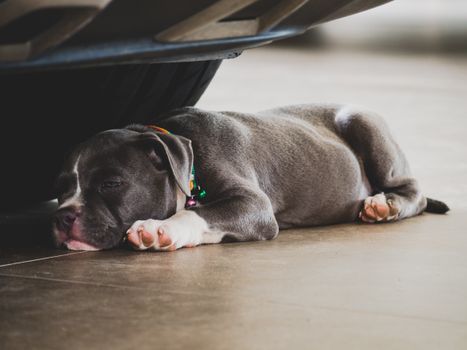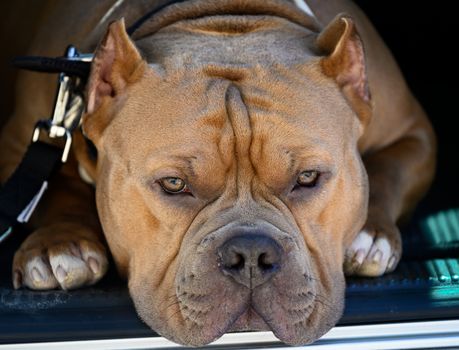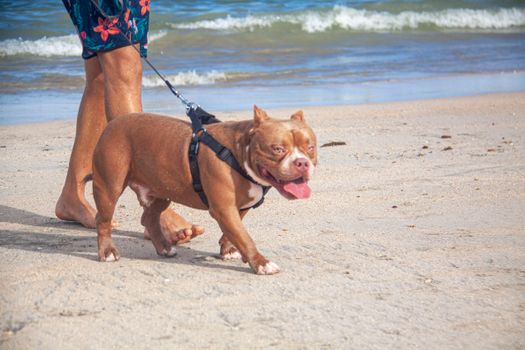
Welcoming an American Bully puppy into your home is an exciting milestone for any dog lover. Their reputation for loyalty, intelligence, and affectionate nature makes them a sought-after companion. However, the arrival of a new puppy—especially a robust, energetic breed like the American Bully—requires thoughtful preparation beyond simply buying food and toys. From creating a safe environment to understanding early training methods and socialization, getting ready for your puppy’s arrival can set the stage for a lifetime of happiness and harmony.
This article provides a comprehensive roadmap to ensure you’re fully prepared for your new American Bully puppy. We’ll cover home safety, the essential supplies, early veterinary planning, the significance of routines, and the mental and physical stimulation your puppy will need from day one. Whether you’re a first-time Bully owner or adding to your canine family, these detailed steps will pave the way for a smooth transition and a thriving, well-adjusted pup.
Creating a Puppy-Proofed Home for Your American Bully
Before your American Bully puppy arrives, transforming your home into a safe haven is critical. Puppies are naturally curious and will explore (and chew) anything within reach, which can lead to accidents or health hazards.
.png)
Start by walking through your home at puppy eye-level. Secure electrical cords with cord protectors or tape them out of reach. Remove or secure household items that could be dangerous, such as cleaning products, small objects, toxic plants (like lilies and philodendrons), and medications. Don’t forget that American Bully puppies are strong and persistent—what might be out of reach for a smaller breed may not be for them.
It’s also wise to block off access to stairs, balconies, and rooms with fragile or valuable objects. Use baby gates to create a puppy play zone where your new companion can safely explore and rest. According to the American Veterinary Medical Association, about 200,000 pets are poisoned annually in the U.S. by common household items, highlighting the importance of thorough puppy-proofing.
Finally, consider surfaces: American Bully puppies can be prone to joint concerns, so provide non-slip rugs or mats on hardwood or tile floors to prevent slips and encourage healthy movement.
Essential Supplies Checklist: What Your Bully Puppy Needs
To ensure a seamless transition, stock up on the right supplies before your puppy arrives. Each item plays a specific role in your Bully’s early development and comfort.
Here’s a comparison table of the core supplies you’ll need, along with recommended options for the American Bully breed:
| Supply | Recommended Features | Notes for American Bully Puppies |
|---|---|---|
| Crate | Sturdy, chew-proof, appropriately sized | Choose a crate large enough for growth, with a divider for potty training |
| Bedding | Washable, supportive, non-toxic | Opt for orthopedic bedding to support joint health |
| Food & Water Bowls | Stainless steel, heavy-bottomed | Prevents tipping and is easy to sanitize |
| Collar & Leash | Adjustable, durable material | Start with a soft, adjustable collar; Bully breeds grow fast |
| Puppy Food | Large breed, high-protein formula | Look for foods with DHA for brain development |
| Chew Toys | Non-toxic, size-appropriate, tough | American Bullies are voracious chewers—avoid soft or easily destructible toys |
| Puppy Pads/Cleaning Supplies | Absorbent, leak-proof | Essential for early potty training |
Having these essentials in place ensures your American Bully puppy feels secure and cared for from the moment they arrive. Remember, investing in quality supplies reduces the risk of accidents and supports healthy development.
Planning Veterinary Care and Health Essentials
Proactive health management starts before your puppy steps paw in your home. The first step is to select a veterinarian experienced with large or bully breeds. Schedule an initial wellness exam within the first 48-72 hours of arrival; this allows your vet to check for congenital issues, confirm prior vaccinations, and discuss a vaccination and deworming schedule.
According to the American Kennel Club, puppies typically need a series of core vaccinations starting at 6-8 weeks of age, with boosters every 3-4 weeks until 16 weeks old. For American Bullies, certain health screenings are especially important, including hip and elbow evaluations, as the breed can be prone to joint issues.
Microchipping is another crucial step—statistics show that microchipped dogs are more than twice as likely to be reunited with their owners if lost. Discuss parasite prevention (fleas, ticks, and heartworm) and nutrition tailored to your puppy’s growth rate. American Bully puppies can gain up to 2-3 pounds per week during growth spurts, so a high-quality large breed puppy food is essential to support healthy development without overfeeding.
Additionally, ask your vet about early spay/neuter timing and any breed-specific health concerns. Establishing this relationship early ensures you have expert guidance as your puppy grows.
Setting Up Routines: Feeding, Potty Training, and Sleep
A predictable routine is the cornerstone of a well-adjusted American Bully puppy. Dogs thrive on consistency, and establishing clear patterns reduces anxiety and speeds up training.
Start with a feeding schedule: most Bully puppies do best with three meals per day until they’re six months old, then transition to two meals. Measure portions carefully, as overfeeding can lead to rapid, unhealthy weight gain and exacerbate joint issues. According to a 2022 study by the Association for Pet Obesity Prevention, over 56% of U.S. dogs are overweight, so early portion control is vital.
Potty training should begin immediately. Take your puppy outside after meals, naps, and play sessions—generally every 2-3 hours. Use the same spot and reward successes with treats or praise. Crate training is highly effective for this breed, as dogs naturally avoid soiling their sleeping area.
Sleep is equally important. Puppies need 18-20 hours of sleep per day to support growth and brain development. Create a calm, quiet sleeping area away from high-traffic spaces. Consistent bedtimes and nap routines help prevent overtiredness, which can lead to crankiness or biting.
Finally, introduce gentle grooming and handling from day one. Even a quick daily brush and paw check helps your puppy become comfortable with touch, making future grooming and vet visits easier.
Early Socialization and Safe Exploration
American Bullies are known for their affectionate, people-oriented personalities, but early socialization is essential to nurture these qualities and avoid behavioral issues.
Begin introducing your puppy to new experiences in a controlled, positive way. This includes different household sounds (vacuum cleaners, doorbells), surfaces (carpet, tile, grass), and people of all ages. The American Veterinary Society of Animal Behavior emphasizes that the most critical window for puppy socialization is between 3 and 14 weeks of age—missing this period can lead to lifelong fear or aggression.
Arrange safe, positive interactions with vaccinated, friendly dogs and puppies. Puppy socialization classes are ideal, but always check with your vet before exposing your puppy to public settings, especially before they’ve completed their vaccine series.
Expose your puppy to car rides, walks on a leash in low-traffic areas, and gentle handling by friends and family. Each new experience should be paired with praise and treats, building your puppy’s confidence and trust.
Mental and Physical Stimulation for a Growing Bully
While American Bully puppies have bursts of energy, they also need plenty of structured activity to prevent boredom and destructive behavior. Mental stimulation is just as important as physical exercise.
Start with short play sessions (5-10 minutes) throughout the day, using interactive toys, gentle tug games, and basic training exercises like “sit,” “stay,” and “come.” Training not only tires your puppy but also strengthens your bond and builds trust.
Puzzle feeders and treat-dispensing toys provide mental enrichment, encouraging problem-solving and slowing down mealtime. As your puppy grows, gradually increase the complexity of games and the length of walks—at eight weeks, a five-minute walk per month of age (e.g., 10 minutes for a two-month-old) is a safe guideline.
Remember, American Bullies are intelligent and eager to please. Early obedience training, trick teaching, and even scent games can channel their energy and prevent nuisance behaviors.
Setting the Stage for a Lifelong Bond with Your American Bully Puppy
Preparing for the arrival of an American Bully puppy is about more than gathering supplies—it’s about building the foundation for a respectful, loving relationship. By puppy-proofing your home, providing essential resources, establishing routines, ensuring early veterinary care, and prioritizing socialization and stimulation, you’re setting your puppy up for a healthy, happy life.
The early days with your new Bully are filled with discovery and learning for both of you. With thoughtful preparation and a proactive approach, you’ll not only minimize stress during the transition but also cultivate a deep, lasting bond with your newest family member.