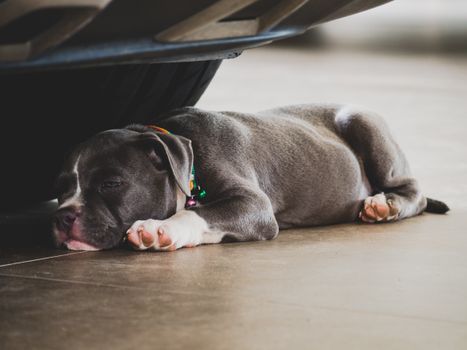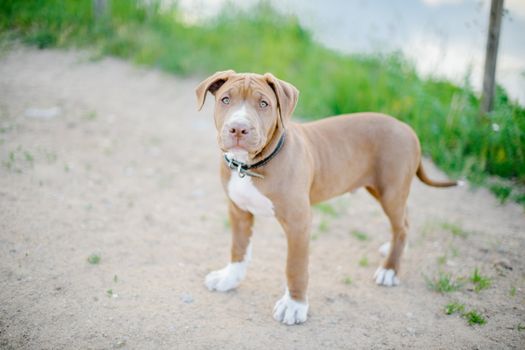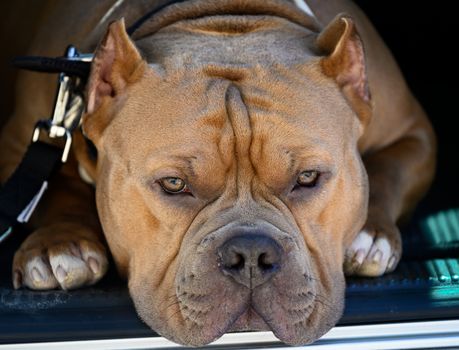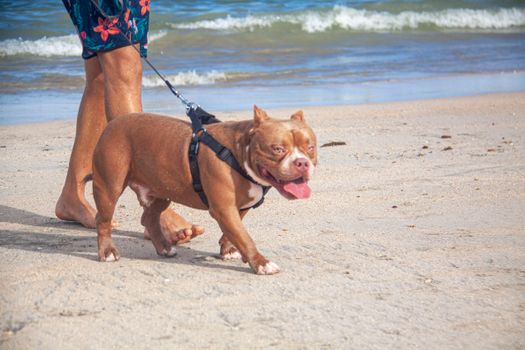
Training your American Bully in open spaces can be both rewarding and challenging. While these robust, intelligent dogs thrive on physical activity and mental engagement, managing their behavior outside the controlled environment of your home requires a distinct approach. Whether you're enjoying a local park, hiking trail, or your own backyard, open-space training is essential for a well-adjusted, happy American Bully. This guide explores proven strategies, safety considerations, and advanced techniques to help you harness the benefits of outdoor training, all while strengthening the bond with your loyal companion.
The Unique Benefits of Open-Space Training for American Bullies
American Bullies are an energetic and muscular breed, originally developed for companionship and athleticism. Open-space training offers unique advantages that indoor environments simply cannot match. Here’s why outdoor training is crucial:
1. Enhanced Socialization: Open spaces expose your dog to a variety of sights, sounds, people, and other animals, building their confidence and social skills. According to a 2022 study by the American Veterinary Society of Animal Behavior, dogs regularly trained in diverse environments are 37% less likely to develop fear-based behavioral problems. 2. Physical Fitness: A healthy American Bully needs at least 60 minutes of exercise daily. Open areas allow for running, jumping, and agility exercises that burn energy and support muscle health. 3. Advanced Obedience: Training in unpredictable environments helps reinforce commands despite distractions. This is vital for your dog’s safety if they ever become off-leash or encounter unexpected situations. 4. Stress Reduction: Outdoor activities stimulate your dog’s senses, reducing boredom and anxiety. The University of Lincoln found that dogs exercised outdoors showed 21% lower cortisol levels on average compared to those exercised only indoors. 5. Owner-Dog Bonding: Shared outdoor adventures foster trust and cooperation, laying the groundwork for effective lifelong training.Preparing for Success: Essential Tools and Safety Precautions
Before you head outdoors, preparation is key. The right tools and forethought can make the experience safe and productive for both you and your American Bully.
.png) Must-Have Equipment:
- Sturdy 6-foot leash and a 25-50 foot long-line for recall training
- Well-fitting harness or martingale collar to prevent slipping
- High-value treats (cheese, chicken, or commercial dog treats)
- Portable water bowl and fresh water
- Waste bags for cleanup
- Identification tags and microchip (only 22% of lost dogs without ID tags are returned to owners, compared to 90% with tags or chips, per ASPCA)
Safety Tips:
- Check the area for hazards such as broken glass, sharp rocks, toxic plants, or unfriendly dogs.
- Avoid training during extreme weather (heatstroke can occur in as little as 10 minutes in hot weather).
- Always supervise your dog, especially if off-leash is allowed.
- Bring proof of vaccination if visiting regulated parks.
- Be mindful of wildlife that may trigger your dog’s prey drive.
Must-Have Equipment:
- Sturdy 6-foot leash and a 25-50 foot long-line for recall training
- Well-fitting harness or martingale collar to prevent slipping
- High-value treats (cheese, chicken, or commercial dog treats)
- Portable water bowl and fresh water
- Waste bags for cleanup
- Identification tags and microchip (only 22% of lost dogs without ID tags are returned to owners, compared to 90% with tags or chips, per ASPCA)
Safety Tips:
- Check the area for hazards such as broken glass, sharp rocks, toxic plants, or unfriendly dogs.
- Avoid training during extreme weather (heatstroke can occur in as little as 10 minutes in hot weather).
- Always supervise your dog, especially if off-leash is allowed.
- Bring proof of vaccination if visiting regulated parks.
- Be mindful of wildlife that may trigger your dog’s prey drive.
A little planning ensures your outdoor training sessions are both safe and enjoyable.
Foundational Outdoor Commands: Building Reliable Behavior
When training your American Bully in open spaces, some commands are non-negotiable. These foundational cues can be lifesaving and are best practiced systematically:
1. Recall (“Come”): The most critical command, especially in unfenced areas. Start with a long-line leash and reward generously when your dog comes to you, gradually increasing the level of distraction. 2. “Leave it”: Essential for preventing your Bully from picking up dangerous objects or chasing wildlife. Practice by placing treats on the ground and rewarding your dog for ignoring them on cue. 3. “Stay” and “Wait”: Useful for maintaining control at a distance or before crossing roads and trails. 4. “Heel” or loose-leash walking: Prevents pulling and maintains your dog’s focus on you, even when distractions abound. 5. “Drop it”: Critical for safety if your Bully picks up something hazardous.Each command should be introduced in a low-distraction environment and then gradually practiced in increasingly complex situations. A 2021 survey by the Association of Professional Dog Trainers found that 84% of owners who practiced commands outdoors at least three times per week reported better reliability under distractions.
Advanced Challenges: Distraction-Proofing and Off-Leash Freedom
Once your American Bully reliably follows commands in your backyard or a quiet park, it’s time to level up. Distraction-proofing ensures your dog listens even when tempted by other dogs, people, or wildlife.
Tips for Success: - Use the “3 D’s” principle: Distance, Duration, and Distraction. Start close to your dog, keep sessions brief, and introduce distractions slowly. - Practice around joggers, cyclists, squirrels, and other dogs, increasing the challenge only as your Bully succeeds. - Keep sessions positive; never punish mistakes but reward every success.Off-leash training should only be attempted in designated, secure areas. According to a 2023 PetMD report, only 28% of dogs have a reliable recall in highly distracting environments. A GPS collar can add an extra layer of safety for off-leash sessions.
Here’s a comparative overview of key training elements for open-space success:
| Training Element | Indoor Training | Open-Space Training |
|---|---|---|
| Distraction Level | Low | High (people, animals, noises) |
| Recall Reliability | Moderate | Essential for safety |
| Physical Exercise | Limited | Ample space for running, agility |
| Socialization Opportunities | Minimal | Frequent (other dogs, people) |
| Risk Management | Controlled | Requires vigilance (hazards, escape) |
As the table shows, the open environment raises the stakes but also greatly enriches your dog’s experience and obedience.
Incorporating Mental Stimulation: Games and Problem-Solving Outdoors
Physical exercise alone does not fulfill an American Bully’s needs. Mental stimulation is equally important, especially in open spaces, where the environment itself becomes a source of learning.
Game Ideas: - Scent Work: Hide treats or toys and encourage your Bully to “find it.” This taps into their natural sniffing instincts and strengthens focus. - Agility Circuits: Use safe park features (benches, logs, cones) for jumping, weaving, and balancing. These activities build confidence and coordination. - Fetch with Rules: Make your dog sit and wait before retrieving, adding a layer of impulse control. - Hide and Seek: You or another family member hides, and your Bully must find you on command. This boosts recall and makes training fun. - Obstacle Courses: Set up improvised challenges, rewarding your dog for problem-solving and following cues.According to Canine Cognition Center at Yale, dogs that receive regular cognitive challenges are 40% less likely to develop destructive behaviors linked to boredom.
Common Pitfalls and How to Overcome Them
Even experienced owners can encounter setbacks when training American Bullies in open spaces. Being aware of common pitfalls can help you avoid frustration:
Pitfall 1: Overestimating Recall Many owners assume their dog will come when called, only to be ignored when distractions arise. Always use a long-line until recall is 100% reliable in various environments.
Pitfall 2: Inconsistent Rewards Outdoors, high-value rewards are essential. Dry kibble may work at home, but real meat or cheese is often needed to compete with outdoor distractions.
Pitfall 3: Insufficient Socialization Failing to expose your Bully to new sights, sounds, and experiences can lead to reactivity or fear. Gradual, positive exposure is key.
Pitfall 4: Skipping Warm-Ups A quick walk or brief play before formal training can help your dog focus and reduce excess energy.
Pitfall 5: Neglecting Safety Never trust an unfenced area until your dog has proven reliability. Accidents can happen in seconds.
By anticipating these challenges and planning accordingly, you can maximize your success and enjoyment during open-space training.
Training Your American Bully in Open Spaces: Key Takeaways
Mastering open-space training with your American Bully requires patience, preparation, and adaptability. By leveraging the benefits of outdoor environments, using the right tools, and systematically building reliable behaviors, you set the stage for a more confident, obedient, and well-socialized companion. Remember, every dog learns at its own pace. Celebrate progress, stay vigilant about safety, and make the process enjoyable for you both. With consistent effort, your American Bully will thrive in any environment, ready to join you on all of life’s outdoor adventures.