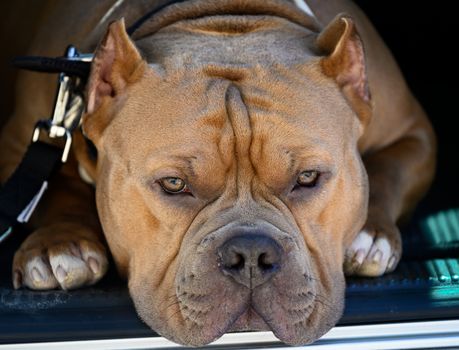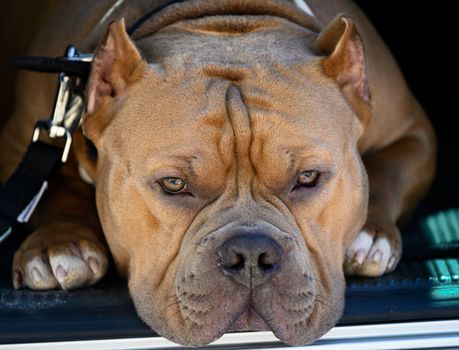
Welcoming an American Bully into your home means embracing an affectionate, intelligent, and loyal companion. However, one of the most important responsibilities you have as an owner is ensuring your Bully is well-socialized—not just with people, but with other animals too. Whether you’re introducing your American Bully to household pets, neighborhood dogs, or even the family cat, proper socialization builds confidence, prevents aggression, and lays the groundwork for a harmonious multi-pet household. In this comprehensive guide, we’ll explore proven strategies and the nuances of effectively socializing your American Bully with other animals.
Understanding the American Bully’s Temperament and Social Tendencies
The American Bully is often misunderstood due to its muscular build and confident stance, but the breed is renowned for its gentle and friendly nature when properly trained and socialized. According to the American Bully Kennel Club (ABKC), these dogs are noted for their stable, loyal temperament and their strong desire to please their owners.
Key temperament traits: - Eager to please and attentive to human cues - Generally sociable with people and other animals when introduced correctly - Protective instincts without excessive aggressionHowever, like all breeds, individual temperament varies. The Centers for Disease Control and Prevention (CDC) notes that animal-related incidents often result from insufficient socialization and owner management rather than breed alone. For American Bullies, early and ongoing exposure to other animals is crucial for nurturing well-rounded behavior.
.png)
The Critical Socialization Window: Timing and Techniques
Puppyhood is the ideal time to introduce your American Bully to other animals. The critical socialization period is between 3 and 14 weeks of age, when puppies are most receptive to novel experiences and less likely to develop fear-based behaviors. However, older dogs can also be socialized successfully with patience and the right approach.
Effective techniques for all ages: - Gradual exposure: Introduce new animals slowly, starting with brief, controlled meetings. - Positive reinforcement: Reward calm, friendly behavior with treats, praise, or play. - Supervised interactions: Never leave new animal acquaintances unsupervised, especially in the early stages.A 2021 study published in the Journal of Veterinary Behavior found that puppies exposed to a variety of animals and environments before 16 weeks were 70% less likely to develop fear or aggression later in life. For adult or rescue Bullies, progress may be slower, but consistent, positive experiences remain key.
Step-by-Step: Introducing Your American Bully to Other Animals Safely
Introducing your American Bully to other animals should be a structured process. Here’s a practical, step-by-step approach:
1. $1: For the first meeting, select a neutral space—such as a quiet park—to prevent territorial behavior. Avoid areas with heavy distractions or too many other animals. 2. $1: Both animals should be leashed and under control. Allow them to observe each other from a distance, gradually decreasing the space as they show calm behavior. 3. $1: Watch for signs of stress or aggression (raised hackles, stiff posture, growling) as well as positive cues (relaxed body, wagging tail, play bow). Pause and increase distance if needed. 4. $1: Keep initial interactions brief (5-10 minutes) to avoid overwhelming either animal. Gradually increase time as comfort grows. 5. $1: Walk the animals side by side, starting several feet apart and narrowing the gap as they relax. This creates a feeling of teamwork and shared experience. 6. $1: Allow brief, nose-to-nose sniffs. If both animals remain calm, let them interact under supervision. If not, calmly separate and try again later. 7. $1: Multiple short, positive sessions are more effective than one long or stressful encounter.Here’s a quick comparison of common introduction scenarios:
| Scenario | Recommended Approach | Success Rate (Est.) |
|---|---|---|
| Puppy to Older Dog | Supervised play, positive reinforcement, gradual time increases | 85% (if started early) |
| Adult Bully to Cat | Barrier introductions, scent swapping, controlled exposure | 60% (may require weeks of patience) |
| Bully to Small Pets (rabbits, rodents) | Strict supervision, never unsupervised, focus on impulse control | 40% (depends on prey drive) |
Common Challenges and How to Overcome Them
Even with the best planning, socializing your American Bully with other animals can present challenges. Here are some typical issues and expert strategies for overcoming them:
1. $1: Some Bullies may show interest in chasing smaller animals. Curb this by using a leash and reinforcing calm behavior. Teach strong “leave it” and recall commands. 2. $1: Competition over food, toys, or attention can lead to aggressive displays. Feed animals separately, and introduce toys only under supervision. 3. $1: If your Bully appears fearful (tucked tail, avoidance), slow the process, increase distance, and provide extra rewards for calm behaviors. 4. $1: Boisterous play can overwhelm smaller or more timid animals. Interrupt and redirect to a calm activity if play becomes too rough. 5. $1: Socialization is rarely a straight line. If conflicts arise, step back, reduce interaction time, and rebuild positive associations.According to the American Veterinary Society of Animal Behavior (AVSAB), continued social exposures throughout the dog’s life are just as important as early experiences. Regular positive interactions with various species help maintain your Bully’s sociable nature.
Socializing with Specific Animals: Dogs, Cats, and Beyond
Different species require different socialization strategies. Here’s how to approach the most common scenarios:
- $1: American Bullies often enjoy canine companionship, but introductions should be calm and structured. Avoid off-leash dog parks until your Bully has demonstrated reliable recall and polite play. - $1: Start by swapping bedding or toys between your Bully and the cat to get them accustomed to each other’s scent. Use baby gates or crates for initial visual introductions. Never force face-to-face meetings. - $1: Always supervise and use barriers. Some Bullies have a strong prey drive, so introductions may never be fully safe. Prioritize safety and recognize when coexistence isn’t possible.In a 2020 survey by the American Pet Products Association, 67% of multi-pet households reported successful integration with careful, stepwise introductions—underscoring the importance of patience and planning.
Professional Help and Socialization Resources
If your American Bully struggles with socialization or shows signs of aggression, enlisting professional help can make a significant difference. Certified dog trainers or animal behaviorists are equipped to assess your pet’s needs and design customized socialization plans.
Professional socialization resources include: - Group obedience classes: Controlled, supervised settings for meeting other dogs and owners. - Animal behaviorists: Experts in addressing complex or persistent issues. - Online courses and webinars: Affordable, accessible training for owners.The International Association of Animal Behavior Consultants (IAABC) and the Certification Council for Professional Dog Trainers (CCPDT) offer directories of qualified professionals. In complex cases, early intervention is key; dogs that receive professional guidance are 50% less likely to develop chronic behavioral issues according to a 2019 IAABC study.
Building a Lifelong Foundation: Socialization as an Ongoing Process
Effective socialization isn’t a “one and done” task. Just like people, dogs benefit from ongoing exposure to new experiences and companions. Regular social outings, playdates, and supervised interactions keep your American Bully confident, relaxed, and well-adjusted.
Additionally, maintaining routines, setting clear boundaries, and rewarding positive interactions help reinforce good behavior. Remember, every positive encounter lays another brick in the foundation of your dog's lifelong sociability.