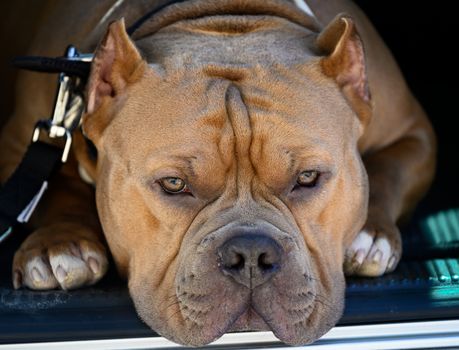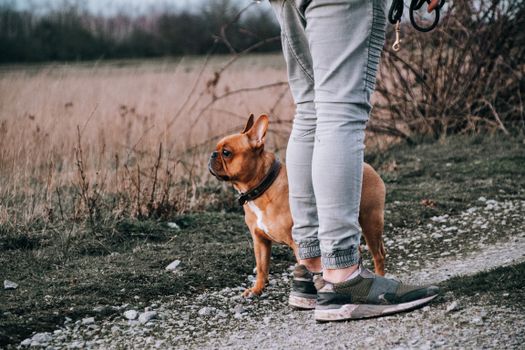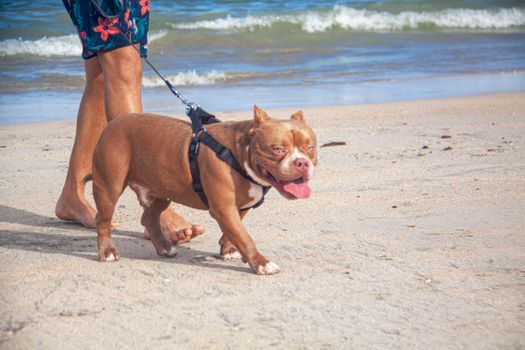
Socializing your American Bully with other dogs is vital for their behavioral development and overall happiness. Proper socialization can help prevent issues like aggression, fear, and anxiety. Here's how to effectively socialize your American Bully, ensuring they grow into a well-rounded and friendly pet.
Understanding the Importance of Socialization
Socialization involves exposing your dog to a range of experiences, including meeting various people, dogs, and other animals, and encountering different environments. This helps your American Bully develop confidence and comfort in diverse situations. It's best to start socialization early, ideally during their puppy stage when they're most open to new experiences.
.png)
Start Early
Begin socializing your American Bully as early as possible. The critical window for socialization closes around 14 to 16 weeks of age. During this time, puppies are more receptive to new experiences, and these early interactions can significantly influence their future personality. Introduce them to friendly, vaccinated dogs that are known to be good with puppies, setting a positive foundation for future interactions.
Create Positive Associations
Make each socialization experience as positive as possible. Use treats, praise, and play to create enjoyable associations with meeting new dogs. Signs of enjoyment and relaxation in your American Bully indicate successful socialization, while signs of stress or aggression suggest a need to slow down the process.
Controlled Environments
Begin in controlled environments, such as scheduled playdates with one dog at a time. Choose dogs that are calm and have a similar energy level and size as your puppy. This approach prevents overwhelming your American Bully and gives you better control over the situation. Gradually increase the number of dogs and the complexity of the environment as your dog becomes more comfortable.
Use Proper Equipment
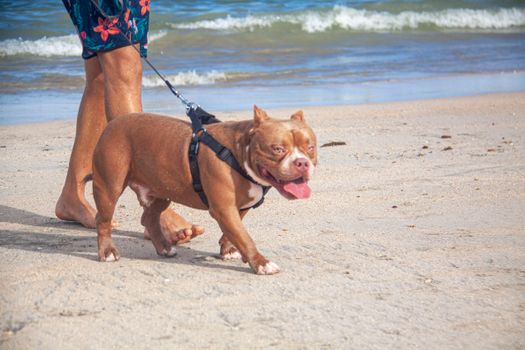
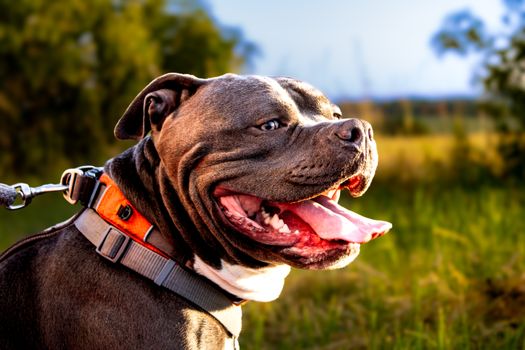
Use a sturdy leash and harness when socializing your American Bully to maintain control and ensure safety. A harness is preferable as it offers better control over your dog’s body and reduces strain on their neck, helping you manage their movements and prevent negative interactions.
Attend Puppy Classes
Enroll your American Bully in puppy classes. These are designed to socialize puppies in a safe and structured setting. Trainers provide guidance on handling various situations and can intervene if play becomes too rough. Puppy classes also teach basic obedience, which is essential for maintaining control during social interactions.
Monitor Body Language
Understanding your dog's body language helps you gauge their feelings towards other dogs. Signs of positive social behavior include a relaxed body, wagging tail, and playful gestures. Conversely, signs of discomfort or aggression may include growling, stiff body posture, and avoidance. If you notice any discomfort signs, calmly remove your dog from the situation and try again later.
Be Patient and Consistent
Socialization is a continuous process that should occur throughout your dog's life. Be patient and consistent with your efforts, regularly exposing your American Bully to various dogs and environments to reinforce positive behaviors and alleviate any anxieties.
Know When to Get Help
If your American Bully shows persistent signs of aggression or fear despite your efforts, consider seeking help from a professional dog trainer or behaviorist. They can offer specialized techniques and interventions tailored to your dog's needs.
By following these tips, you can help your American Bully become a sociable, confident, and well-adjusted dog. Socialization aims to ensure your dog can positively and confidently handle a variety of social situations. With patience and consistent effort, your American Bully will learn to navigate the world of other dogs with ease and joy.