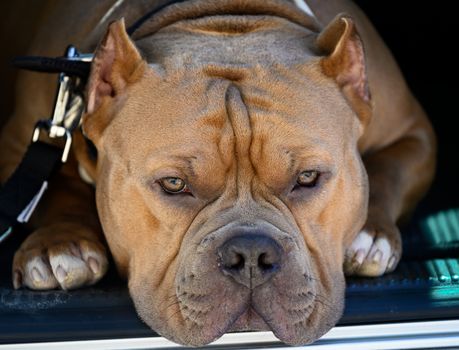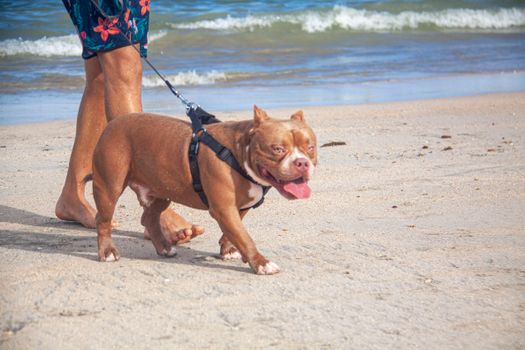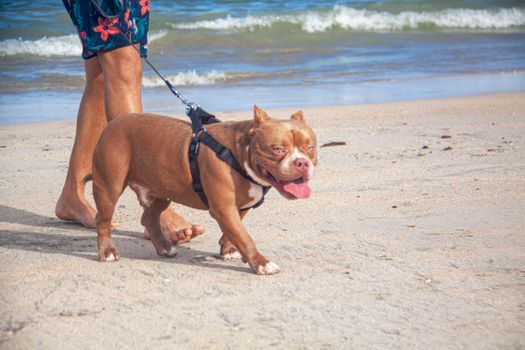
Welcoming an American Bully into your home is an exciting, rewarding experience. These muscular, affectionate companions are known for their loyalty and gentle nature, especially when raised in a nurturing environment. However, just like any breed, the key to unlocking their best qualities lies in socialization. Properly socializing your American Bully is essential for developing a confident, well-behaved, and happy dog who can thrive in any setting. This article will guide you through the science and strategies behind socializing your American Bully, offering actionable advice, common mistakes to avoid, and age-specific techniques tailored to this unique breed.
Understanding the Importance of Socialization for American Bullies
Socialization is the process by which dogs learn to interact appropriately with other animals, people, environments, and experiences. For the American Bully, which was bred for companionship but carries a powerful build, early and thoughtful socialization is especially critical. Studies from the American Veterinary Society of Animal Behavior show that the prime socialization window for puppies is between 3 and 14 weeks of age. During this period, positive experiences can significantly shape a dog’s lifelong temperament.
A well-socialized American Bully is less likely to develop fear-based aggression, anxiety, or behavioral problems. According to a 2021 survey published in the Journal of Veterinary Behavior, dogs properly socialized as puppies were 60% less likely to exhibit reactivity toward strangers or other animals. With the American Bully’s strength and stamina, a balanced temperament isn’t just desirable—it’s essential for safety and community acceptance.
.png)
Key Socialization Milestones by Age
Effective socialization isn’t a one-size-fits-all process; it should be tailored to the dog’s age and developmental stage. Here’s a comparison of what to focus on at each stage of your American Bully's growth:
| Age Range | Socialization Focus | Key Activities |
|---|---|---|
| 3-8 weeks | Early Exposure | Gentle handling, exposure to sounds, introduction to littermates |
| 8-14 weeks | Primary Socialization | Meeting new people, supervised puppy classes, exposure to other vaccinated dogs |
| 3-6 months | Building Confidence | Short car rides, walks in busy but safe areas, new surfaces and environments |
| 6-12 months | Adolescence Challenges | Controlled introductions to larger crowds, advanced training classes, supervised dog parks |
| 1 year and beyond | Maintenance & Expansion | Regular social outings, continued exposure to new situations, ongoing training |
By following these age-appropriate steps, you can help your American Bully become a stable, friendly, and adaptable companion.
Tactics for Positive Social Experiences
Creating positive associations is the cornerstone of socialization. For the American Bully, whose loyalty can sometimes translate into protectiveness, it’s crucial that every new experience is fun and rewarding. Here’s how to ensure every interaction builds confidence:
1. Controlled Introductions: Start with calm, friendly dogs and people. Use a leash, and keep early meetings short and positive. 2. Reward-Based Reinforcement: Bring high-value treats and praise your Bully for good behavior during new experiences. Studies show dogs retain positive memories more effectively when rewarded immediately. 3. Exposure to Varied Environments: Gradually introduce your dog to different settings—parks, busy streets, pet stores, and even elevators. The more variety, the better. 4. Sensory Socialization: Expose your Bully to different sounds, surfaces, and smells. Research published in Applied Animal Behaviour Science found that dogs exposed to a broad range of stimuli as puppies were 55% more adaptable as adults.Remember, patience is key. If your American Bully appears anxious or fearful, take a step back and slow the pace. Forcing interactions can have the opposite effect, leading to long-term anxiety.
Common Socialization Challenges and Solutions
Despite your best efforts, you might encounter obstacles as you socialize your American Bully. Here are some common challenges and how to address them:
Separation Anxiety: American Bullies are known for their attachment to family. Gradually increase the time your dog spends alone, starting with a few minutes and building up to an hour or more. Leave special toys or treats behind to create positive associations with alone time.
Fear of Strangers: If your Bully is wary around new people, have visitors ignore the dog at first, allowing the dog to approach on their own terms. Offer treats and praise for calm interactions.
Overexcitement Around Other Dogs: Practice obedience commands (like “sit” and “stay”) before allowing greetings. Keep initial meetings brief and slowly increase the duration as your dog learns to remain calm.
Leash Reactivity: Use desensitization techniques by keeping a safe distance from triggers and rewarding calm behavior. Slowly decrease the distance over multiple sessions.
If problems persist, don’t hesitate to consult a professional trainer who has experience with bully breeds. According to the Association of Professional Dog Trainers, owners who seek early intervention see a 70% improvement in social-related behaviors.
Integrating Socialization Into Daily Life
Socialization isn’t just a puppy project; it’s a lifelong commitment. The American Bully thrives on regular, structured interaction. Here’s how to weave socialization into your daily routine:
- Morning Walks in New Areas: Take different routes to expose your dog to new sights, smells, and sounds. - Weekly Outings: Visit dog-friendly cafes, hardware stores, or pet-friendly events. Each new environment helps reinforce adaptability. - Structured Playdates: Arrange regular play sessions with well-mannered dogs. Consistent social contact reduces the chance of unwanted behaviors. - Ongoing Training: Enroll in advanced obedience or agility classes. Training in a group setting encourages focus and calmness around distractions.Just 20-30 minutes of targeted socialization activities each day can make a dramatic difference in your American Bully’s demeanor and confidence.
The Role of Owners: Advocacy and Responsibility
As an American Bully owner, you are your dog’s ambassador. Breed misconceptions still exist, so it’s vital to set a positive example in public. Here are ways to practice responsible advocacy:
- Always use a leash in public spaces, regardless of your dog’s training. - Carry waste bags and clean up promptly. - Be proactive; if your Bully is uncomfortable, calmly remove them from the situation. - Educate others: Share success stories and facts about the breed’s gentle nature when appropriate.By showcasing your well-mannered American Bully, you help challenge negative stereotypes and pave the way for greater acceptance of this loving breed.
Final Thoughts on Socializing Your American Bully
Properly socializing your American Bully is one of the most important investments you can make in your dog’s well-being and your family’s happiness. From the earliest weeks to adulthood, consistent, positive experiences ensure your dog is a joy to be around—at home, in public, and with other animals. Remember, socialization is both an art and a science, blending patience, knowledge, and a commitment to your dog’s lifelong learning.
Take advantage of the prime socialization window, use positive reinforcement, and remain proactive in exposing your Bully to the world around them. The reward is a balanced, confident companion who truly embodies the best of the American Bully breed.