Caring for your American Bully’s coat is more than just a matter of aesthetics—it’s an essential aspect of their health, comfort, and overall well-being. With their short, glossy coats, American Bullies may seem low maintenance at first glance, but achieving that signature shine and maintaining skin health takes a dedicated approach. Whether you’re a new owner or a seasoned Bully enthusiast, understanding the unique needs of your dog’s coat will help keep your companion looking and feeling their very best.
Understanding the American Bully Coat: Genetics and Characteristics
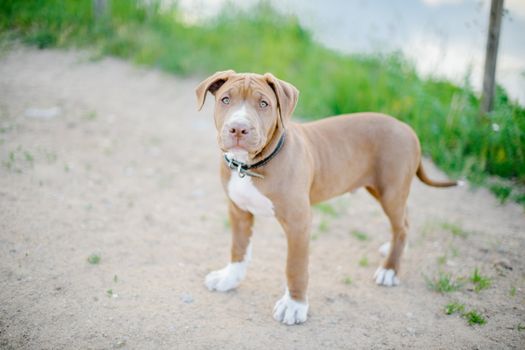
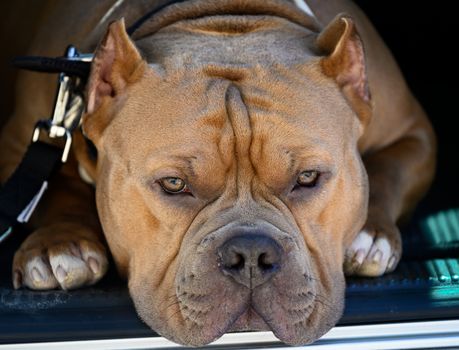
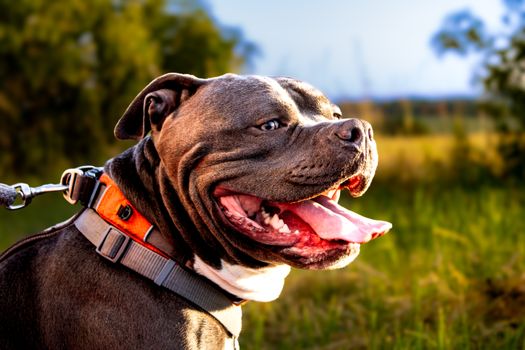
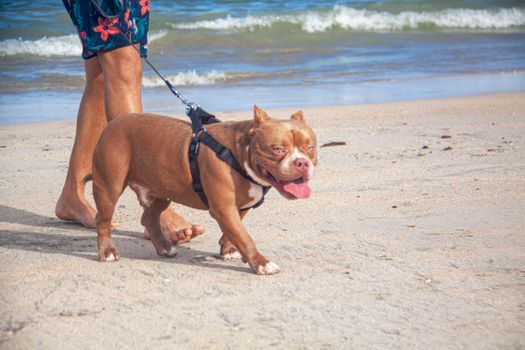
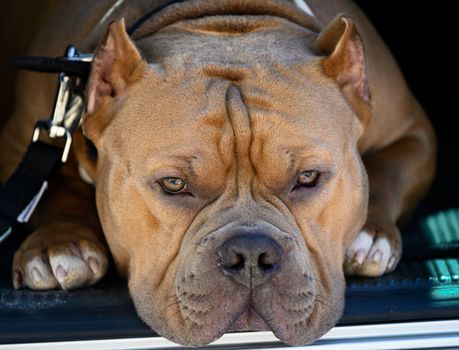
The American Bully’s coat is one of its most distinctive features. This breed typically sports a short, smooth, and close-lying coat that comes in a dizzying array of colors and patterns—from solid blacks and blues to brindles and tri-colors. But what many owners don’t realize is that the Bully’s coat is also a window into their health.
Unlike double-coated breeds, American Bullies have a single-layered coat, which means they don’t have a thick undercoat for protection or insulation. This makes them more susceptible to environmental factors like sunburn, skin irritations, and temperature extremes. Additionally, the genetics behind their coat colors can sometimes predispose certain dogs to specific skin conditions. For example, blue-coated Bullies are more likely to experience color dilution alopecia, a hereditary condition that causes hair thinning and patchy fur.
.png)
Understanding these genetic and environmental factors is the first step to properly caring for your Bully’s coat. By keeping a close eye on changes in texture, thickness, or shine, you can catch health issues early and adjust your grooming routines accordingly.
Bathing and Cleaning: How Often and What to Use
When it comes to bathing your American Bully, less is often more. Overbathing can strip away the natural oils that keep your dog’s skin moisturized and their coat shiny. According to the American Kennel Club, bathing once every 4 to 8 weeks is sufficient for most short-coated breeds like the Bully, unless they get into something particularly dirty or smelly.
Choosing the right shampoo is crucial. Avoid human shampoos or harsh soaps that can disrupt the skin’s pH balance. Instead, opt for a mild, dog-specific shampoo that is free of sulfates, parabens, and artificial fragrances. Hypoallergenic formulas are especially beneficial for Bullies with sensitive skin.
Here’s a quick comparison of popular bathing frequencies and products:
| Bathing Frequency | Recommended For | Pros | Cons |
|---|---|---|---|
| Every 2 Weeks | Dogs prone to skin allergies or heavy outdoor activity | Removes allergens and dirt quickly | Can dry out skin if overdone |
| Every 4-8 Weeks | Average Bullies with healthy skin | Preserves natural oils, maintains coat health | May not suffice for extremely active dogs |
| As Needed | Dogs with skin conditions or under vet care | Customization for individual needs | Requires close monitoring |
After bathing, always dry your Bully thoroughly with a towel, and avoid high-heat blow dryers, which can irritate the skin. For stubborn dirt or muddy paws, consider using unscented pet wipes between full baths.
Brushing Techniques for a Healthy, Shiny Coat
Even though the American Bully’s coat is short, regular brushing is vital. Brushing stimulates blood flow to the skin, distributes natural oils, and removes loose hair and debris. It also gives you a chance to inspect for signs of parasites, hot spots, or unusual bumps.
For American Bullies, a soft-bristle brush or a grooming mitt works best. Aim for brushing at least two to three times a week. During seasonal shedding (spring and fall), daily brushing may help keep loose hair under control.
Here’s a step-by-step guide for effective brushing:
1. Start with a gentle massage using your hands to loosen up any dirt or debris. 2. Use a soft-bristle brush or rubber grooming mitt, working in the direction of hair growth. 3. Pay special attention to high-friction areas like the neck, chest, and hindquarters. 4. Finish with a microfiber cloth to wipe down the coat for added shine.Regular brushing not only keeps the coat looking its best but also reduces the spread of hair around your home—an added bonus for any pet parent.
Nutrition and Supplements: Feeding for Coat Health
What your American Bully eats directly impacts the condition of their skin and coat. According to the American Veterinary Medical Association, nutritional deficiencies are a leading cause of dull, lifeless coats in dogs.
Key nutrients for a healthy coat include:
- Omega-3 and Omega-6 fatty acids: These essential fats, found in fish oil and flaxseed oil, reduce inflammation and promote a glossy coat. - Protein: High-quality animal proteins provide the building blocks for strong hair and skin. - Vitamins A, E, and B-complex: These vitamins support skin regeneration and help maintain a healthy barrier against environmental irritants. - Zinc: Important for skin repair and preventing dandruff.Consider adding a daily omega-3 supplement (such as salmon oil) to your Bully’s diet. Clinical studies show that dogs supplemented with omega-3s exhibit a 35% increase in coat luster and reduced shedding within six weeks.
Always consult with your veterinarian before introducing any supplements, as excess amounts can sometimes cause health issues.
Protecting Against Pests and Skin Conditions
Parasites like fleas, ticks, and mites can wreak havoc on your American Bully’s skin and coat. Even a single flea bite can trigger allergic reactions, leading to excessive scratching, redness, and hair loss.
To protect your dog:
- Use veterinarian-approved flea and tick preventatives year-round. - Inspect your Bully’s coat regularly, especially after walks in grassy or wooded areas. - Wash bedding and toys frequently to minimize exposure to pests. - Be vigilant for signs of skin infections, such as redness, swelling, or an unpleasant odor.If you notice persistent itching, bald patches, or scabbing, consult your veterinarian immediately. Early intervention is key to preventing further coat damage and discomfort.
Environmental Factors and Seasonal Care
The American Bully’s short coat provides limited protection against extreme temperatures. Hot weather can lead to sunburns, while cold weather increases the risk of dry, flaky skin.
During summer months:
- Limit outdoor time during peak sunlight hours (10 a.m. to 4 p.m.). - Apply a pet-safe sunscreen to vulnerable areas like the ears, nose, and belly. - Provide plenty of shade and fresh water.In winter:
- Use a moisturizing spray or coconut oil to combat dry skin. - Dress your Bully in a lightweight, breathable dog sweater for extra warmth on cold walks. - Avoid salt-treated sidewalks, which can irritate sensitive paws and skin.By adapting your grooming and care routine to the seasons, you’ll help your American Bully stay comfortable and healthy year-round.
Final Thoughts on Maintaining Your American Bully’s Coat
The American Bully’s coat may appear simple to care for, but behind that sleek shine lies a routine that balances bathing, brushing, nutrition, environmental awareness, and vigilance against pests. By understanding your Bully’s unique needs and using the right products and techniques, you can ensure their skin stays healthy and their coat remains a source of pride for both of you.
Consistency is key—make coat care a regular part of your bonding routine, and your American Bully will not only look fantastic but also benefit from improved health and happiness.