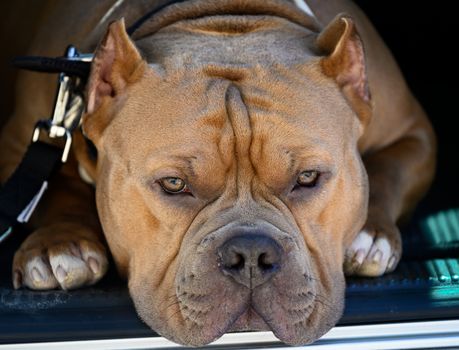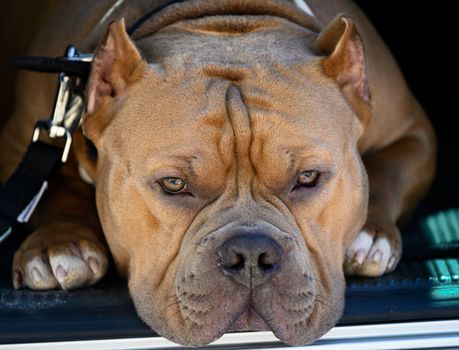
The American Bully is a remarkable breed, known for its muscular physique, loyal temperament, and boundless energy. As owners strive to keep their companions in peak condition, one of the most critical decisions they face is selecting the right food. With hundreds of pet food brands, conflicting advice, and the unique nutritional needs of the American Bully, making an informed decision can feel overwhelming. This comprehensive guide will help you confidently choose quality food for your American Bully, backed by facts, expert recommendations, and a clear understanding of what truly matters for this breed’s health.
Understanding the Unique Nutritional Needs of the American Bully
American Bullies are a breed that exemplifies strength and athleticism. Their robust musculature and active nature require a specialized diet that supports both their energy demands and physical development. Unlike some other breeds, American Bullies benefit from higher protein and fat content in their diets to sustain muscle mass and fuel activity.
According to the Association of American Feed Control Officials (AAFCO), adult dogs need a minimum of 18% protein and 5% fat in their diet. However, for muscular breeds like the American Bully, many veterinarians recommend protein levels between 22-32% and fat content ranging from 12-20%. Puppies require even more: up to 25-30% protein to support rapid growth.
.png)
Additionally, the American Bully is prone to food sensitivities and allergies, especially to common fillers like corn, wheat, and soy. This makes ingredient quality and transparency even more important.
Key Ingredients to Look For in High-Quality Bully Food
When it comes to selecting food, what’s on the label matters. Here are the key ingredients and features to prioritize:
1. $1: Look for real meat sources such as chicken, beef, lamb, or fish as the first ingredient. This ensures your Bully is getting highly digestible protein for muscle maintenance. 2. $1: Fats from animal sources, flaxseed, or fish oil provide energy and help maintain healthy skin and a shiny coat. Omega-3 and omega-6 fatty acids are especially beneficial for reducing inflammation and supporting joint health. 3. $1: While dogs do not require carbohydrates in the wild, quality carbs such as sweet potatoes, brown rice, or oats can provide energy and fiber without causing digestive issues. 4. $1: Avoid foods with artificial colors, flavors, or preservatives such as BHA, BHT, and ethoxyquin, which have been linked to health problems. 5. $1: Ingredients like corn, wheat, and soy are often used as cheap fillers and can trigger allergies or digestive upsets in sensitive dogs. 6. $1: Look for added glucosamine, chondroitin, and probiotics. These support joint health and digestion, which are beneficial for active breeds like the American Bully.Dry vs. Wet vs. Raw: Weighing Your Feeding Options
The pet food market offers a variety of choices—dry kibble, wet (canned) food, and raw diets. Each comes with its own advantages and challenges. Below is a comparison to help you decide:
| Food Type | Pros | Cons |
|---|---|---|
| Dry Kibble | Convenient, affordable, helps clean teeth, longer shelf life | May contain more fillers, less moisture |
| Wet Food | Higher moisture (good for hydration), palatable, fewer additives | More expensive, can spoil quickly, may cause dental issues if not balanced with kibble |
| Raw Diet | High protein, natural ingredients, tailored nutrition | Requires careful handling, risk of bacterial contamination, time-consuming, can be costly |
A 2023 survey by the American Pet Products Association found that 56% of dog owners feed dry kibble, 22% use wet food, and 11% have tried raw diets. For most American Bullies, a high-quality dry or combination diet is practical and nutritionally adequate. However, some owners choose raw or fresh-cooked diets to address allergies or special health needs.
Reading Dog Food Labels: What Matters Most
A key step in choosing quality food for your American Bully is learning to decipher pet food labels. Here’s what to focus on:
- $1: This section lists the minimum percentages of protein and fat, and the maximum percentages of fiber and moisture. For American Bullies, protein should ideally be above 22% and fat above 12%. - $1: Ingredients are listed in descending order by weight. The first three ingredients are most important. Quality foods list meat or fish first, followed by whole grains or vegetables. - $1: Look for foods labeled as “complete and balanced” according to AAFCO standards. This ensures the food meets basic nutritional requirements. - $1: While helpful, these are only starting points. Actual needs vary based on your Bully’s age, weight, activity level, and metabolism.A 2021 study from Pet Food Institute revealed that 38% of owners don’t read ingredient lists, relying solely on brand reputation or marketing claims. However, label literacy can make a significant difference in your Bully’s long-term health.
Food Allergies and Sensitivities in American Bullies
American Bullies are susceptible to food allergies, often manifested as itchy skin, ear infections, or digestive upset. Common culprits include beef, dairy, chicken, wheat, and soy. If your Bully shows symptoms, your vet may recommend an elimination diet—feeding a novel protein (like venison or duck) and a single carbohydrate (like sweet potato) for 8-12 weeks to pinpoint the cause.
Limited ingredient diets (LID) or hydrolyzed protein foods can help manage allergies. These foods contain fewer components and use proteins broken down into tiny pieces, making them less likely to trigger reactions.
A survey by Banfield Pet Hospital in 2022 found that up to 20% of dogs seen for skin issues were diagnosed with food allergies, highlighting the importance of monitoring your Bully’s response to dietary changes.
Special Dietary Considerations: Age, Activity Level, and Health
Not all American Bullies have the same dietary needs. Consider these factors:
- $1: Require higher calories, protein, and fat to support rapid growth. Look for puppy formulas with DHA for brain development. - $1: Focus on maintaining muscle, energy, and healthy weight. Adjust portions as needed for active or sedentary lifestyles. - $1: Older Bullies may need fewer calories but more joint support (glucosamine, chondroitin) and easily digestible proteins. - $1: High-protein, high-fat diets provide sustained energy for training or competition. - $1: Dogs with kidney, liver, or heart problems may require special veterinary diets.In 2023, the American Veterinary Medical Association reported that 17% of dog owners adjust their dog’s diet based on life stage, while nearly half rarely update feeding routines. Regularly reviewing your Bully’s diet ensures it meets their changing needs.
How to Transition Your American Bully to a New Food
Switching foods abruptly can upset your Bully’s digestive system. To prevent stomach problems, transition over 7-10 days:
- Days 1-2: 75% old food, 25% new food - Days 3-4: 50% old food, 50% new food - Days 5-6: 25% old food, 75% new food - Days 7+: 100% new foodMonitor for signs of intolerance, such as vomiting, diarrhea, or itching. If issues arise, slow the transition or consult your veterinarian.
Smart Shopping: Tips for Finding the Best Food for Your American Bully
With hundreds of brands on the market, here are tips to help you select the best possible food:
- $1: Choose companies with transparent sourcing, third-party safety testing, and a history of pet nutrition expertise. - $1: “Grain-free” or “premium” labels don’t always mean better. Focus on ingredient quality and nutritional analysis. - $1: High-quality food may cost more initially but can save money on future vet bills by promoting better health. - $1: Your vet can recommend foods tailored to your Bully’s specific health needs or allergies.Making the Best Food Choice for Your American Bully
Selecting quality food for your American Bully is one of the most important investments you can make in their lifelong health and happiness. By understanding their unique nutritional needs, reading labels carefully, and adjusting for age, activity, and health status, you set the stage for a vibrant, energetic companion. Remember, every Bully is unique—observe their response to different foods, and don’t hesitate to consult your veterinarian for personalized advice. With the right diet, your American Bully will not only look their best but feel their best every day.