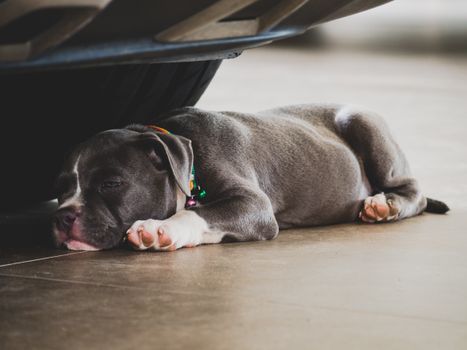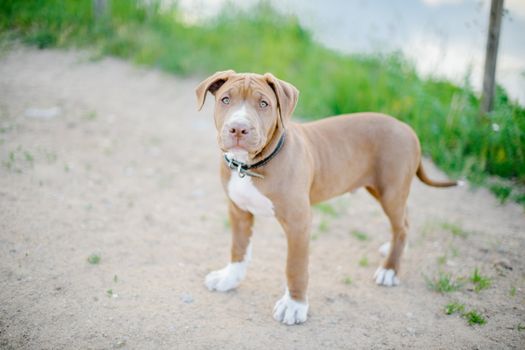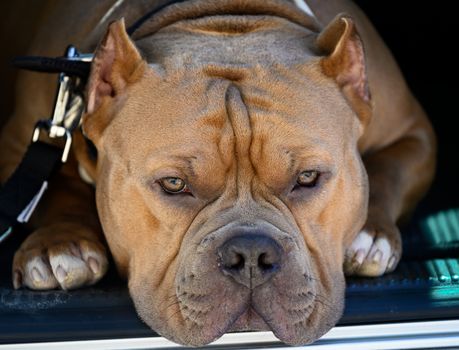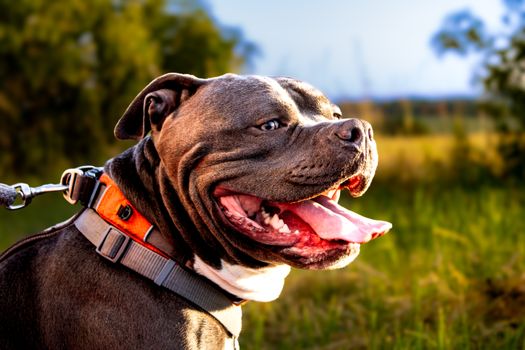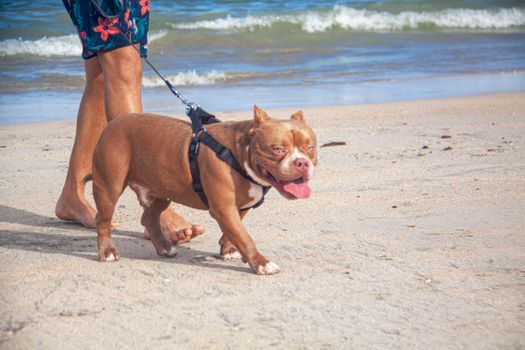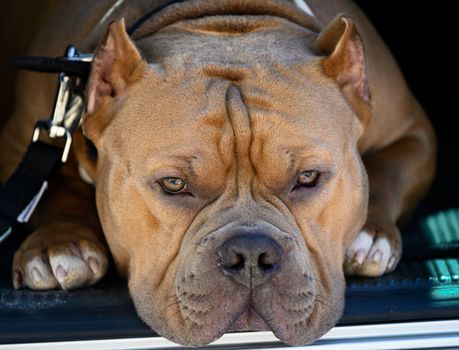
Raising an American Bully puppy is an exciting journey, but it comes with its own set of challenges and rewards. This breed is known for its affectionate nature, stocky build, and high intelligence. Early training is crucial to help your American Bully puppy grow into a confident, well-mannered adult. While general puppy training advice is helpful, American Bullies benefit from techniques tailored to their unique temperament and physicality. In this guide, we’ll explore the best puppy training techniques for the American Bully, focusing on breed-specific strategies, positive reinforcement, structure, and socialization. By understanding your puppy’s specific needs and motivations, you’ll lay the foundation for a harmonious relationship and a happy, healthy dog.
The Unique Training Needs of American Bully Puppies
The American Bully is a relatively new breed, developed in the 1990s by crossing American Pit Bull Terriers, American Staffordshire Terriers, and other bulldog-type breeds. Their popularity has soared in recent years: The United Kennel Club officially recognized the breed in 2013, and registrations have increased by over 40% since 2018. These dogs are known for their loyalty, intelligence, and muscular appearance, but they also have distinct training requirements.
American Bully puppies are highly social and thrive on human interaction. However, their strong build and high energy can make them a handful if not properly guided from an early age. They can be stubborn, but with the right approach, they’re eager to please and quick learners. Unlike some breeds that respond well to harsh corrections, American Bullies require positive reinforcement and consistency. Harsh methods can lead to distrust or even reactive behaviors.
.png)
Another important factor is their rapid physical development. American Bully puppies can gain as much as 2-3 pounds per week in their first few months. By six months, some may already weigh 40 pounds or more. This fast growth underscores the need for early leash manners, impulse control, and gentle handling.
Positive Reinforcement: The Foundation of Effective Training
Positive reinforcement is the gold standard in modern dog training and is especially effective for American Bully puppies. This method rewards desired behaviors with treats, praise, toys, or playtime, making the behavior more likely to be repeated.
Why is positive reinforcement so effective for this breed? American Bullies are motivated by food and affection. Studies show that dogs trained with positive reinforcement are 25% more likely to retain new commands compared to those trained with punishment-based methods. For example, when teaching your Bully to sit, reward them instantly with a small treat and enthusiastic praise. The key is immediacy: the quicker the reward follows the behavior, the stronger the association.
Here’s a quick comparison of common training methods:
| Training Method | Effectiveness for Bullies | Recommended? | Example |
|---|---|---|---|
| Positive Reinforcement | Very High | Yes | Rewarding with treats or praise |
| Clicker Training | High | Yes | Click + treat for correct behavior |
| Correction-Based | Low | No | Leash jerks or scolding |
| Compulsion Training | Very Low | No | Physical force or punishment |
For American Bully puppies, keep training sessions short (5-10 minutes), frequent, and fun. Use high-value treats like freeze-dried liver or cooked chicken to maintain their attention. As your puppy learns, gradually replace food rewards with praise and affection. This keeps them motivated while encouraging a strong bond.
Consistency and Structure: Building Reliable Habits
Consistency is critical for any breed, but it’s especially important with American Bullies due to their intelligence and tendency to test boundaries. Puppies learn best when rules are clear and routines are predictable.
Establish set times for feeding, walks, and training. Use the same words for commands each time; for example, always say “sit” instead of alternating between “sit down” and “sit.” This clarity helps your puppy make quick associations and understand what’s expected.
Housebreaking is a common challenge for Bully owners. Start by taking your puppy outside every 2-3 hours, especially after meals or naps. Praise and reward them immediately when they eliminate outdoors. According to the American Kennel Club, most puppies can be reliably house-trained by 4-6 months with consistent routines.
Crate training is another valuable tool, providing a safe space and helping to prevent accidents. The crate should be large enough for your puppy to stand and turn around but not so big that they can use one corner as a bathroom. Make it inviting with a soft bed and safe chew toys.
Impulse control is a major area of focus. American Bully puppies are easily excited and may jump up, mouth, or pull on the leash. Teach “wait” and “leave it” commands early on. Practice having your puppy sit and wait at doorways, before meals, or before greeting people. These exercises build patience and reinforce your leadership.
Socialization: Raising a Confident and Friendly Bully
Proper socialization is essential for American Bully puppies to ensure they grow up to be friendly, balanced adults. The critical window for socialization is between 3 and 14 weeks of age, but ongoing exposure to new experiences is important throughout adolescence.
Introduce your puppy to a variety of people, including children, adults, and seniors. Expose them to different environments, such as parks, busy streets, and pet-friendly stores. Controlled introductions to other dogs and animals are also vital. According to a 2021 study from the Journal of Veterinary Behavior, puppies who receive adequate socialization are 30% less likely to develop fear or aggression issues later in life.
Puppy classes are a great way to combine socialization with basic training. Look for classes that limit size to 6-8 puppies and focus on positive reinforcement. These structured environments help your Bully learn appropriate play, build confidence, and practice manners around distractions.
Handle your puppy gently but frequently—touch their paws, ears, and mouth to prepare them for vet visits and grooming. Reward calm behavior during handling sessions so your puppy learns to relax.
Physical and Mental Stimulation: Preventing Boredom and Destructive Behavior
American Bullies are active, smart, and require both physical and mental stimulation to stay happy. Without proper outlets, boredom can lead to behaviors like chewing, digging, or barking.
Aim for at least 30-45 minutes of exercise daily, divided into short walks, playtime, or supervised backyard games. Remember, young puppies shouldn’t be over-exercised, so stick to age-appropriate activities and avoid strenuous running or jumping until joints are fully developed (usually around 12-18 months).
Mental stimulation is equally important. Interactive toys, puzzle feeders, and training games challenge your puppy’s mind and tap into their problem-solving instincts. Teach new tricks, rotate toys weekly, and hide treats around the house to keep things interesting.
Here are three stimulating activities perfect for American Bully puppies: - Scent games: Hide a treat and let your puppy use their nose to find it. - Basic agility: Guide your puppy over low obstacles or through tunnels. - Name recognition: Teach your puppy to respond to their name in different rooms or environments.These activities not only tire your puppy out but also strengthen your bond and boost their confidence.
Addressing Common American Bully Puppy Training Challenges
While American Bully puppies are eager to please, owners often encounter a few common training hurdles. Addressing these early sets the stage for long-term success.
Mouthing and Nipping: Like most breeds, Bullies explore the world with their mouths, but their strong jaws can make this concerning. Redirect biting onto a chew toy and avoid rough play with hands. If your puppy bites during play, stop the interaction briefly. Consistency teaches them that gentle play keeps the fun going.
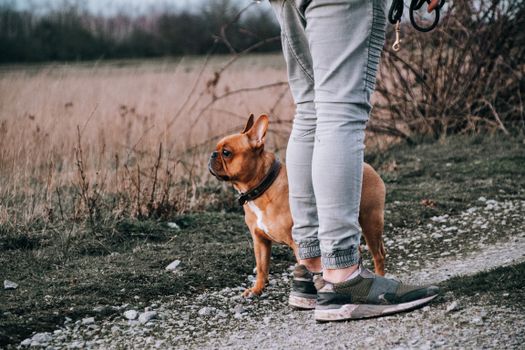
Leash Pulling: Due to their strength, leash manners are a must. Use a front-clip harness to prevent pulling and practice “heel” with frequent rewards. If your puppy lunges, stop walking until they focus on you, then continue.
Stubbornness: Bullies can be independent thinkers. If your puppy ignores a command, avoid repeating it over and over. Instead, reset the exercise and use higher-value rewards. Celebrate small wins and keep sessions upbeat.
Overexcitement: American Bully puppies are enthusiastic greeters. Teach them to sit for attention rather than jumping up. Consistency among all family members is key—reward calm greetings and ignore jumping.
If challenges persist, consider seeking help from a certified professional dog trainer experienced with bully breeds. Early intervention prevents small problems from becoming lifelong habits.
Final Thoughts on Training Your American Bully Puppy
Training your American Bully puppy is an investment in their future as a well-mannered, happy companion. By focusing on positive reinforcement, clear structure, early socialization, and plenty of stimulation, you’ll bring out the best in your Bully. Remember, every puppy is an individual—be patient, adjust techniques as needed, and celebrate progress. The bond you build now will last a lifetime, and your American Bully will reward you with loyalty, affection, and endless joy.