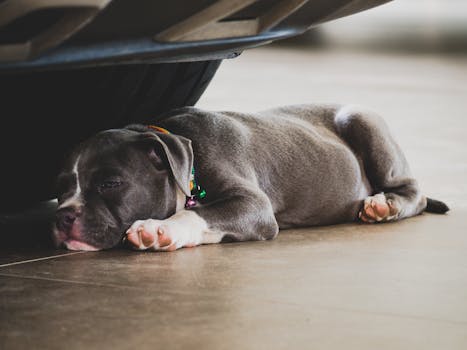
When you're looking to buy a Bully puppy, it's crucial to ensure that you're bringing a healthy and happy pet into your home. A healthy puppy not only brings joy but also reduces the risk of facing costly vet bills and heartache due to health issues. Here’s a comprehensive guide to help you identify a healthy Bully puppy before making your purchase.
- Check the Breeder’s Reputation
The first step in finding a healthy Bully puppy is to choose a reputable breeder. A good breeder will prioritize the health, temperament, and welfare of their puppies. They should be transparent, willing to answer all your questions, and show you where the puppies are raised. Look for breeders who are registered with recognized kennel clubs or breed-specific organizations.
- Observe the Puppy’s Environment
The environment in which a puppy is raised can greatly influence its health. When visiting the breeder, notice if the puppies are raised in a clean, safe, and stimulating environment. The area should be free from feces and urine, and the puppies should have access to fresh water and appropriate food.
.png)
- Look for Physical Signs of Health
A healthy Bully puppy should have clear, bright eyes and clean ears with no signs of discharge or foul odor. Their coat should be shiny and free from excessive scratching, which can indicate fleas or skin issues. Check the puppy’s body for any unusual lumps or signs of infections.
The puppy should also have a healthy weight; ribs should not be visible, but they should be palpable under a small amount of fat. Watch how the puppy moves; it should be able to walk and run without any signs of limping or discomfort.
- Assess the Puppy’s Behavior
Behavior is a significant indicator of a puppy’s health. A healthy Bully puppy should be curious and playful, not lethargic or overly aggressive. They should interact well with their littermates and be responsive to human interaction. Shyness or aggression can sometimes be signs of neurological issues or poor socialization.
- Ask for Health Certifications and Vaccination Records
Reputable breeders will provide certification from a veterinarian stating that the puppy has been examined and is healthy. They should also provide a vaccination record that shows the puppy has received its initial shots against common diseases. Make sure the puppy has been dewormed and ask if the parents have been tested for genetic diseases common in the breed.
- Consider the Puppy’s Age
While it might be tempting to bring home a very young puppy, Bully puppies should not be separated from their mother and littermates before they are 8 weeks old. Puppies learn important social skills during their early weeks with their family. A puppy taken too early may develop behavioral issues later on.
- Watch for Signs of Responsible Breeding Practices
Responsible breeders will not only focus on the physical health of their puppies but also on their psychological well-being. They should be knowledgeable about the breed and able to discuss how they address common health issues in Bullies. They should also be interested in the kind of homes their puppies are going to, often asking buyers to provide references or complete a questionnaire.
- Trust Your Instincts
Finally, trust your instincts when selecting a puppy. If something feels off about the breeder or the environment, it’s better to walk away. A healthy Bully puppy will be a long-term commitment and starting off on the right foot means ensuring you choose a puppy that is as healthy as possible.
By following these steps, you can increase your chances of bringing a healthy, joyful Bully puppy into your life. Remember, a healthy puppy is not just about good genetics; it’s also about how they are raised and cared for in their early weeks. Choose wisely and enjoy the journey of adding a new furry member to your family!