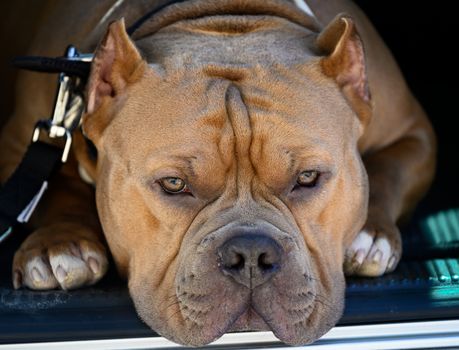
Socializing an American Bully is one of the most important steps you can take to ensure your dog develops into a well-rounded, confident, and happy companion. While socialization might sound straightforward, doing it “properly” involves understanding your dog’s breed-specific traits, using modern behavioral science, and tailoring experiences to your dog’s individual personality. In this comprehensive guide, we’ll explore innovative and evidence-backed methods to socialize your American Bully, with a focus on positive outcomes and long-term success.
The Unique Socialization Needs of American Bullies
American Bullies are known for their muscular build, intelligence, and affectionate disposition. However, they also possess a strong protective instinct and can be wary of unfamiliar environments or people if not socialized correctly. According to the American Kennel Club, early and ongoing socialization is critical for breeds with strong guarding tendencies like the American Bully.
A study published in the Journal of Veterinary Behavior (2022) found that dogs exposed to diverse environments, people, and other animals before 16 weeks of age displayed 60% fewer fear-related behaviors later in life. For American Bullies, who are often misunderstood due to their imposing appearance, proper socialization is not just about comfort—it's essential for public perception and their wellbeing.
.png) Key points to consider:
- Socialization should start as early as 8 weeks old and continue throughout the dog’s life.
- Exposure should be gradual, positive, and never forced.
- The goal is to create positive associations, not just “exposure.”
Key points to consider:
- Socialization should start as early as 8 weeks old and continue throughout the dog’s life.
- Exposure should be gradual, positive, and never forced.
- The goal is to create positive associations, not just “exposure.”
Modern Socialization Techniques Beyond Puppy Classes
Traditional puppy classes are a great starting point, but American Bullies benefit from a broader approach. Modern socialization involves structured exposure to a variety of stimuli, both in and out of the home environment.
1. $1: Instead of just neighborhood strolls, take your dog to different settings: parks, busy streets, pet-friendly stores, and even outdoor cafes. Varying the environment helps prevent “location-specific” confidence and encourages adaptability. 2. $1: Bully breeds can be sensitive to loud or unusual sounds. Use recordings of city noises, thunderstorms, and fireworks, starting at low volume and gradually increasing over time. The ASPCA recommends pairing these sounds with treats to create positive associations. 3. $1: Regularly introduce your American Bully to new objects—umbrellas, hats, wheelchairs, skateboards. Allow your dog to investigate at their own pace, rewarding calm curiosity. 4. $1: Accustom your Bully to being touched on paws, ears, tail, and mouth. This not only aids future vet visits but also prevents handling sensitivities common in under-socialized dogs. 5. $1: Arrange structured playdates with dogs of varying sizes and temperaments. Supervision is crucial—watch for signs of stress or overexcitement, and always end interactions on a positive note.Socialization Through Scent, Sight, and Sound: Enrichment Strategies
Sensory enrichment is an innovative aspect of socialization that goes far beyond basic exposure. American Bullies, like all dogs, experience their world through their senses. Engaging these senses helps build confidence and reduces anxiety.
- $1: Rather than brisk exercise, allow your dog to take “sniffy walks” where they can explore new smells at their leisure. Studies show that scent walks lower canine cortisol (stress hormone) levels by up to 30%. - $1: Set up viewing windows or visit dog-friendly outdoor events where your Bully can watch the world go by at a safe distance. This passive exposure helps desensitize them to movement, children playing, bikes, and more. - $1: Toys that squeak, crackle, or make animal noises can help desensitize your Bully to unexpected sounds in a fun, non-threatening way. - $1| Enrichment Type | Example Activity | Benefits |
|---|---|---|
| Scent | Scented treat trails in the backyard | Boosts confidence, lowers stress |
| Sight | Watching street activity from a window | Desensitizes to new visuals safely |
| Sound | Low-volume soundtracks of city noise | Reduces noise sensitivity |
| Touch | Grooming with different brushes | Prevents handling issues |
Reading and Responding to Your Bully’s Body Language
Proper socialization goes hand in hand with understanding canine communication. American Bullies, while expressive, can sometimes mask their discomfort due to their stoic nature. Recognizing subtle cues is essential to avoid overwhelming your dog.
Common signs of stress or unease include: - Lip licking or yawning when not tired - Turning the head or body away from a stimulus - Tucked tail or lowered body posture - Sudden scratching, sniffing, or “displacement” behaviorsIf you notice any of these signals, give your dog space and end the socialization session on a positive note. Forcing interactions can create negative associations. According to a 2021 study by the University of Lincoln, dogs allowed to choose when to approach unfamiliar stimuli were twice as likely to develop positive associations compared to those forced into contact.
Socializing Adult or Rescue American Bullies: A Tailored Approach
While early socialization is ideal, many American Bullies are adopted as adults or rescues with unknown histories. These dogs may have missed critical socialization periods or had negative experiences. With patience and the right techniques, even adult Bullies can learn to feel comfortable in new situations.
- $1: Build a reliable routine to give your dog a sense of predictability and safety. - $1: Introduce new experiences one at a time, always watching for signs of stress. - $1: Use high-value treats, praise, or toys to reward calm and curious behavior. - $1: For dogs with significant fear or aggression, a certified canine behaviorist can tailor a desensitization plan. The American Veterinary Society of Animal Behavior (AVSAB) reports that professional intervention increases successful socialization outcomes by over 40% in adult dogs.Tracking Progress and Setting Realistic Socialization Goals
Every American Bully is unique. Some are naturally outgoing, while others are cautious or reserved. Setting clear, achievable goals helps keep socialization on track and prevents frustration.
Recommended steps: - Keep a log of new experiences, noting your dog’s reactions. - Set weekly goals (e.g., meet one new person, visit a new location). - Celebrate small victories—progress may be gradual, especially for shy or rescued Bullies. - Understand that setbacks are normal. If your dog has a negative experience, take a step back and rebuild trust.Comparative data from a 2023 survey by the American Pet Products Association revealed that 72% of dog owners who tracked socialization milestones reported greater confidence in their dogs’ behavior compared to 48% who did not.
Building Lifelong Social Skills: Beyond Puppyhood
Socialization is not a “one and done” process. Life changes—moving homes, new family members, or changes in routine—can all present new challenges for your American Bully. Regular, positive exposure to new experiences keeps your dog adaptable and resilient.
Consider: - Enrolling in advanced training classes or canine sports like agility or nose work. - Continuing to introduce your dog to new people, places, and animals throughout their life. - Volunteering with your Bully as a therapy dog, if they have the right temperament—this strengthens social skills and gives back to the community.Final Thoughts on Properly Socializing Your American Bully
Socializing your American Bully is an ongoing journey that requires patience, creativity, and empathy. By focusing on positive experiences, sensory enrichment, and individualized progress, you’ll help your Bully become a confident, friendly member of your family and community. Remember, every dog is different—adjust your approach as needed, celebrate progress, and don’t hesitate to seek professional help if challenges arise. With thoughtful socialization, your American Bully can flourish, disproving outdated stereotypes and building lifelong bonds with both people and pets.