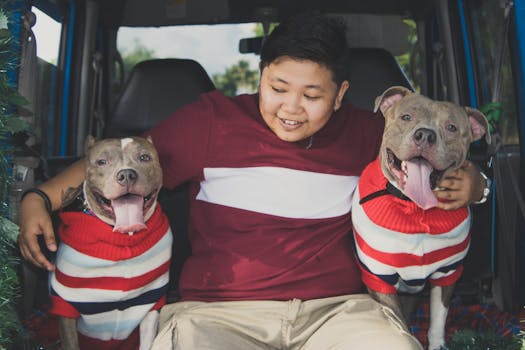
Caring for bully breeds requires a nuanced understanding of their distinct needs and traits. These breeds include dogs such as American Pit Bull Terriers, Staffordshire Bull Terriers, and American Bulldogs, which are often misunderstood due to their robust appearance and historical misconceptions. Renowned for their loyalty, intelligence, and affectionate disposition toward families, it's essential to provide them with proper training, nutrition, exercise, and healthcare to ensure they thrive.
Training and Socialization
Effective training is crucial for bully breeds. Initiating training early in their lives helps instill good manners. Employing positive reinforcement methods like treats and praise works exceptionally well with these intelligent canines. Consistency and patience are vital during training sessions. Moreover, socialization is key. Introducing your bully breed to various people, pets, and environments early on can help mitigate aggressive behaviors and cultivate a more adaptable and confident dog.
.png)
Nutrition
A balanced diet is critical for the health of bully breeds. Opt for high-quality dog food that caters to their specific nutritional needs. These dogs generally benefit from a protein-rich diet that supports their muscular build and high energy levels. However, be mindful of overfeeding, as they can be prone to obesity, which can lead to further health complications. Ensure they always have access to fresh water and consider consulting a veterinarian to tailor your dog’s diet more precisely.
Exercise
Given their energetic nature, bully breeds require regular physical activity to maintain their health and stave off boredom. Daily walks, play sessions, and mental challenges such as puzzle toys are excellent for keeping them engaged. Regular exercise not only helps manage potential behavioral issues but also strengthens the bond between you and your dog.
Health Care
Routine veterinary visits are essential for keeping your bully breed in good health. These dogs may be susceptible to specific health issues like hip dysplasia, heart conditions, and allergies. Early detection and treatment can significantly enhance their quality of life. Keep their vaccinations and parasite prevention up to date, and don’t overlook the importance of regular grooming practices such as nail trimming, teeth cleaning, and coat brushing.
Environmental Considerations
Creating a safe and comfortable living environment is important. This includes providing a warm shelter and a secure play area. Bully breeds can be sensitive to extreme temperatures, so it’s important to keep them protected from severe heat and cold. Additionally, ensure that your yard is securely fenced to prevent any potential escapes.
Behavioral Management
Understanding and appropriately responding to the behavioral cues of bully breeds is crucial for effective management. They tend to be strong-willed yet respond well to confident and calm leadership. Establish yourself as the pack leader with firm, yet gentle, guidance. Avoid harsh disciplinary methods, as they are not effective with these breeds and could lead to aggression.
Community Integration
Integrating bully breeds into community settings can be challenging due to prevailing stereotypes. As a responsible owner, ensure your dog behaves well in public spaces. Actively promoting the positive traits of the breed through community involvement and education can help dismantle negative perceptions and encourage acceptance.
Legal Responsibilities
Be aware of local laws pertaining to bully breeds, as some areas have specific regulations concerning their ownership. Adhering to local ordinances, including leash and muzzle requirements, is crucial to avoid legal issues and promote responsible pet ownership.
In summary, caring for a bully breed demands a dedicated approach to training, nutrition, exercise, and healthcare. By addressing their specific needs, you can ensure they lead a rewarding and happy life. A well-cared-for bully breed can be one of the most devoted and affectionate companions you could have.