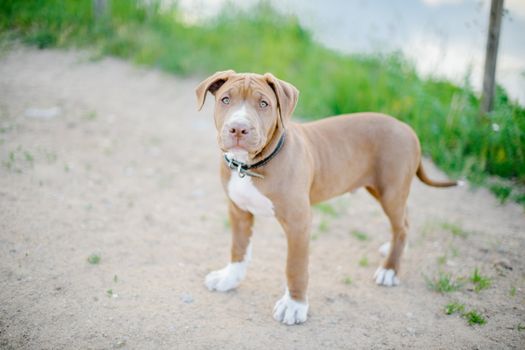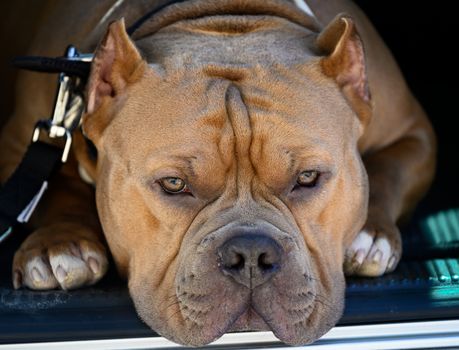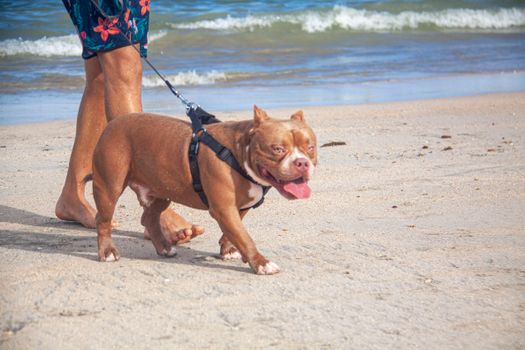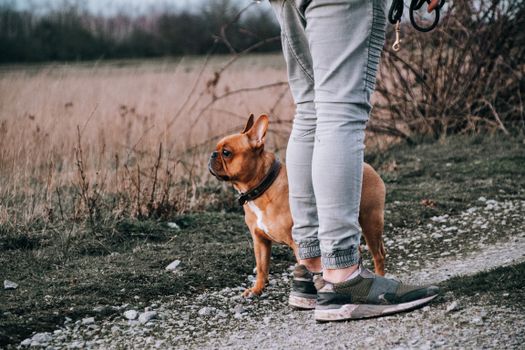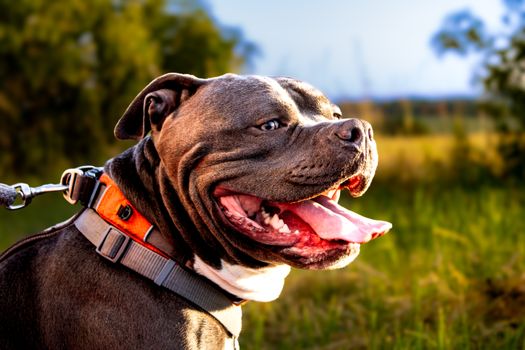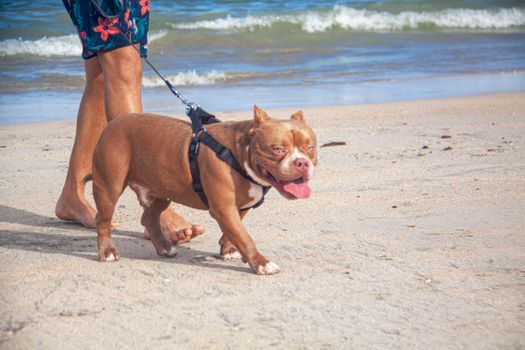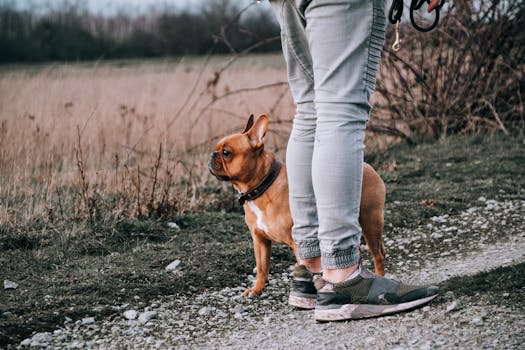
Welcoming a Bully puppy into your home is an exciting journey, but it also comes with a unique set of challenges. Bully breeds—including the American Bully, English Bulldog, and other “bully” type dogs—are renowned for their loyalty, intelligence, and physical power. However, their strong-willed nature and boundless energy can make training both essential and, at times, demanding. While there are plenty of general training tips out there, this guide explores unique strategies and lesser-known insights that specifically address the temperament and needs of Bully puppies. Whether you’re a first-time Bully owner or looking to enhance your training routine, these top tips will set you and your puppy on the path to lifelong success.
Understanding Your Bully Puppy’s Unique Learning Style
Bully puppies possess distinctive traits that differentiate them from other breeds. Their high intelligence means they pick up on cues quickly, but their independent streak can sometimes be mistaken for stubbornness. According to a 2022 survey by the American Kennel Club, 81% of Bully breed owners reported that their puppies responded best to interactive and varied training methods, rather than rigid repetition.
One key to successful training is recognizing your Bully puppy’s motivators. Many Bully puppies are highly food-motivated, but some respond just as well to praise, toys, or play. Observe what excites your puppy and use this insight to reinforce positive behaviors. For example, if your Bully lights up at the sight of a favorite ball, incorporate short play sessions as a reward during training.
.png)
Additionally, studies show that Bully breeds thrive on short, focused training sessions. Limiting each session to 5-10 minutes, two to three times a day, helps maintain your puppy's attention and prevents frustration—both for you and your pup. Over time, as your puppy matures, you can gradually increase the length and complexity of each session.
Building Confidence Through Socialization
Socialization is more than simple exposure; it’s about building your Bully puppy’s confidence in a wide range of environments. Early and positive socialization reduces the risk of behavioral issues down the road—a fact supported by a 2018 study from the University of Pennsylvania, which found that puppies exposed to at least 30 new experiences before 16 weeks of age were 50% less likely to develop fear-based aggression.
For Bully puppies, prioritize experiences that introduce them to:
- Different types of people (men, women, children, people in uniforms) - Other dogs and friendly animals - Unfamiliar surfaces (grass, gravel, tile, metal grates) - Varied sounds (traffic, vacuum cleaners, thunderstorms)Make each new experience positive by offering treats, praise, or play. Remember, the goal is not just exposure but comfort. If your Bully puppy seems overwhelmed, back off and try again later with lower intensity. For example, if your puppy is unsure about meeting another dog, start with distance and gradually decrease it as their confidence grows.
Channeling Energy: Structured Routines for Success
Bully puppies are energetic and athletic. Without a structured routine, their boredom can quickly lead to destructive behaviors such as chewing, digging, or excessive barking. According to data from the ASPCA, nearly 60% of behavioral problems in young Bully breeds are linked to insufficient exercise and lack of mental stimulation.
To prevent these issues, create a daily routine that incorporates:
- Physical exercise: Aim for at least 30-60 minutes of activity per day, tailored to your puppy’s age and health. This can include brisk walks, tug-of-war, or supervised play in a secure yard. - Mental stimulation: Use puzzle toys, scent games, or obedience drills to challenge your puppy’s mind. Rotating toys weekly keeps things fresh and engaging. - Rest: Puppies need plenty of sleep—up to 18-20 hours a day in the first few months. Ensure your Bully puppy has a quiet, comfortable space to recharge.Here’s a comparison of common activities and their benefits for Bully puppies:
| Activity | Physical Exercise | Mental Stimulation | Recommended Frequency |
|---|---|---|---|
| Walks | High | Low | Twice daily |
| Puzzle Toys | Low | High | Daily |
| Obedience Training | Moderate | High | 2-3 short sessions/day |
| Supervised Play | High | Moderate | Daily |
This balanced approach not only channels your Bully puppy’s energy appropriately but also strengthens your bond as you work together.
Mastering Leash Training and Public Manners
Leash training is a cornerstone of raising a well-mannered Bully. Given their muscular build and determination, an untrained Bully puppy can quickly become a handful on walks. Start with a lightweight, comfortable harness rather than a collar, as this offers better control and reduces strain on your puppy’s neck.
Introduce the leash indoors before venturing outside. Let your puppy drag it around to become accustomed to its presence. Use treats to encourage walking by your side, rewarding calm behavior and gentle attention. If your puppy begins to pull, stop immediately and wait for slack in the leash before moving forward. Consistency is key—over time, your Bully will learn that pulling gets them nowhere.
Public manners extend beyond leash walking. Teach your puppy to sit and focus on you when distractions arise, and practice calm greetings with new people. A 2021 survey by the Association of Professional Dog Trainers found that Bully breed owners who implemented structured leash and greeting protocols reported a 68% decrease in undesirable jumping or pulling behaviors within three months.
Addressing Bully-Specific Behavioral Challenges
While all puppies test boundaries, Bully breeds can be especially persistent in seeking attention or pushing limits. Some common challenges include nipping, resource guarding, and selective hearing—where your puppy ignores commands when distracted.
To address these, use breed-appropriate strategies:
- For nipping: Redirect your puppy’s mouth onto chew toys. If nipping continues, calmly withdraw attention for a few seconds to reinforce that play stops when teeth touch skin. - For resource guarding: Practice gentle “trade-up” games, offering a high-value treat in exchange for a toy or object. This builds trust and reduces possessiveness. - For selective hearing: Practice commands in low-distraction environments before gradually increasing complexity. Use high-value rewards, and never repeat a command multiple times without ensuring compliance.If persistent issues arise, consider seeking help from a certified positive reinforcement trainer with experience in Bully breeds. Early intervention is crucial for long-term success.
The Importance of Consistency and Positive Reinforcement
Consistency is the backbone of effective Bully puppy training. Unlike some breeds that adapt to changing routines easily, Bully puppies thrive on clear boundaries and predictable expectations. Set house rules from day one—whether it’s where your puppy sleeps, which furniture is off-limits, or how they greet visitors.
Positive reinforcement—rewarding desirable behaviors with treats, praise, or play—has been shown to be far more effective than punishment, especially for sensitive breeds like Bullies. In fact, a 2016 study published in Applied Animal Behaviour Science found that dogs trained with positive methods were 33% more likely to exhibit long-term obedience compared to those trained with aversive techniques.
Keep in mind, every interaction is a learning opportunity. If your Bully puppy makes a mistake, calmly redirect their behavior and offer a reward when they do the right thing. Over time, these consistent, positive experiences will sculpt your puppy into a confident, well-mannered adult.
Key Takeaways for Raising a Happy, Well-Trained Bully Puppy
Training a Bully puppy is a rewarding challenge that requires patience, creativity, and a deep understanding of your dog’s unique personality. By recognizing their learning style, prioritizing socialization, providing structured routines, mastering leash manners, addressing breed-specific challenges, and maintaining unwavering consistency, you’ll lay the foundation for a lifelong partnership built on trust and respect.
Remember, every Bully puppy is an individual. Celebrate your puppy’s progress—no matter how small—and enjoy the journey as you unlock their full potential. With the right strategies, your Bully will grow into a gentle, confident, and loyal companion who thrives in any situation.