Adopt Don’t Shop: The Benefits of Adopting a Bully
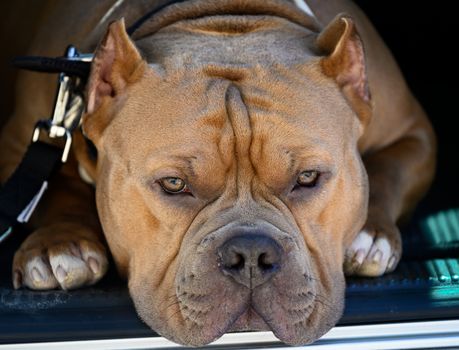
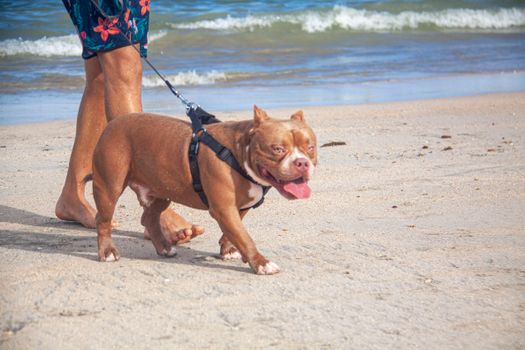
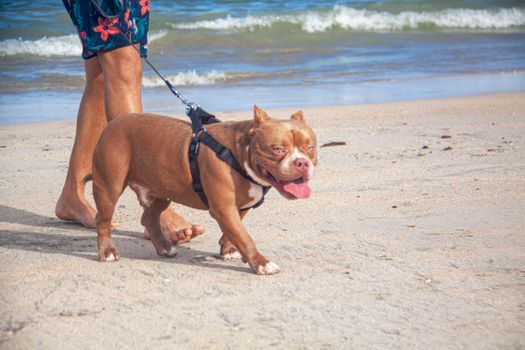
The phrase “adopt, don’t shop” has become a rallying cry for animal lovers and advocates worldwide. While it applies to all pets, it’s especially meaningful when it comes to Bully breeds—dogs like the American Bully, Pit Bull, Staffordshire Bull Terrier, and their close relatives. Too often misunderstood and misrepresented, these loving, loyal companions are among the most common breeds found in shelters across the United States and beyond. Adopting a Bully doesn’t just save a life; it transforms perspectives, families, and entire communities. This in-depth guide explores the many benefits of adopting a Bully, busts common myths, and provides a clear-eyed look at the difference adoption makes for both dogs and humans.
The Overpopulation Crisis: Why Bullies Fill Shelters
Every year, over 6.3 million companion animals enter U.S. animal shelters, according to the ASPCA. Of these, nearly 3.1 million are dogs. Sadly, Bully breeds–including American Bullies, Pit Bulls, and mixes–make up an estimated 20-30% of the total shelter dog population in major metropolitan areas. This overrepresentation is due to several factors:
- Misconceptions and breed-specific legislation (BSL) that restricts ownership or renting with these breeds - Irresponsible backyard breeding and accidental litters - Owners surrendering dogs due to housing restrictions or lack of breed knowledgeThe outcome is sobering: According to a 2019 study by the National Animal Interest Alliance, up to 40% of euthanized shelter dogs are classified as “Pit Bull-type” breeds.
.png)
Adoption directly combats this crisis. Every Bully adopted opens space for another dog in need, reduces shelter overcrowding, and helps break the cycle of homelessness affecting these breeds.
Changing the Narrative: Bully Breeds as Loving Family Pets
Despite their reputation, Bully breeds are widely recognized by trainers, veterinarians, and countless owners as affectionate, loyal, and intelligent companions. The American Temperament Test Society reports that over 86% of American Pit Bull Terriers and 87% of Staffordshire Bull Terriers pass their standardized temperament test—higher than some popular breeds like Chihuahuas (69%) and Dachshunds (69%).
Specific examples abound: Search and rescue organizations have adopted former shelter Bullies for scent work and disaster response. Therapy dog programs across the U.S. feature Bully breeds providing comfort in hospitals and schools.
When you adopt a Bully, you help challenge outdated stereotypes. Adopted Bullies often become breed ambassadors, showcasing their true personalities and shifting public perception one family at a time.
Adoption vs. Buying: Cost and Commitment Compared
One of the most practical benefits of adoption is affordability. Purchasing a Bully puppy from a breeder or pet store often costs $1,500 to $4,000, depending on bloodlines and location. In contrast, adoption fees for Bully breeds typically range from $50 to $350 and frequently include spay/neuter, vaccines, microchipping, and a health check.
Consider the following comparison:
| Aspect | Adopting a Bully | Buying from Breeder |
|---|---|---|
| Initial Cost | $50–$350 (average US shelter/rescue) | $1,500–$4,000 (reputable breeder) |
| Included Medical Care | Spay/neuter, vaccines, microchip, health screening | Varies; often only initial vaccines |
| Support & Resources | Post-adoption support, training advice, return policy | Varies, often limited after purchase |
| Impact on Shelter Overcrowding | Reduces shelter population, saves lives | No direct impact |
Adoption is not only financially sensible but also a compassionate choice, maximizing the impact of your decision while minimizing cost.
Health and Behavioral Benefits: What to Expect When You Adopt
Many prospective owners worry that shelter dogs come with “baggage.” The reality is that most adopted Bullies are healthy, well-tempered, and eager for a second chance. According to a 2022 Petfinder survey, over 80% of adopters reported their new pet adjusted well to home life within six months.
Shelters and rescue organizations thoroughly assess each dog’s health and personality. Common health benefits of adopting include:
- Comprehensive veterinary exams: Most shelters ensure dogs are up-to-date on vaccines and free of contagious illnesses. - Spay/neuter surgeries: Reducing the risk of certain cancers and unwanted litters. - Behavioral assessments: Dogs are evaluated for temperament, making it easier to match the right pet to your lifestyle.In addition, adult Bullies often come house-trained and with basic obedience skills, eliminating the challenges of raising a puppy.
Saving Lives and Building Community: The Ripple Effect of Adoption
Adopting a Bully has effects that extend far beyond your household. Each adoption:
- Directly saves a life, freeing up resources for other at-risk animals. - Reduces the need for euthanasia—over 390,000 dogs are still euthanized annually in the US. - Supports local shelters and rescue organizations, empowering them to educate the public and advocate for humane treatment. - Promotes responsible ownership within your community, encouraging others to consider adoption over shopping.One inspiring example is the “Bully Ambassador” program in Los Angeles, where adopted Bullies and their families participate in outreach events to debunk myths and demonstrate responsible ownership. These programs have led to a 25% increase in Bully adoptions in participating neighborhoods since 2020.
How to Prepare for a Bully Adoption: Practical Steps for Success
Adopting any dog is a commitment, and Bullies thrive with owners who are informed, patient, and proactive. Here’s how to set yourself—and your new companion—up for long-term success:
1. Research Breed Traits: Understand that Bully breeds are strong, social, and intelligent. They need daily exercise, mental stimulation, and positive reinforcement training. 2. Prepare Your Home: Secure fencing, remove hazards, and set up a comfortable sleeping space. 3. Budget for Ongoing Care: While adoption fees save you money upfront, factor in annual costs for food, veterinary care, toys, and training ($1,000–$2,000 per year on average). 4. Commit to Training: Many shelters provide free or discounted training classes, which help your Bully adjust and bond with your family. 5. Advocate and Educate: Use your adoption experience to educate friends and neighbors about Bully breeds and the benefits of adoption.By following these steps, you’ll give your adopted Bully the best possible start in their new life.
Final Thoughts: The Transformative Power of Adopting a Bully
Choosing to adopt a Bully is more than just adding a pet to your family—it’s an act that reverberates through communities, challenges harmful stereotypes, and directly saves lives. In a world where millions of loving dogs wait for a second chance, adoption is the ultimate statement of compassion and advocacy.
Bully breeds, with their big hearts and boundless loyalty, have so much to offer. When you adopt, you don’t just save a Bully—you help rewrite the narrative for an entire breed. Make your next best friend a rescue, and experience firsthand the joy and fulfillment that comes from giving a deserving dog the home they truly deserve.