Dog shows have long served as a significant platform for defining and promoting the characteristics of various dog breeds, including the relatively recent American Bully. Originating in the United States during the late 20th century, the American Bully is a derivative of the American Pit Bull Terrier and the American Staffordshire Terrier, bred with the aim of creating a companionable pet while retaining robust physical traits. This article examines the multifaceted impact of dog shows on the American Bully, particularly regarding breed standards, popularity, and health.
Defining Breed Standards
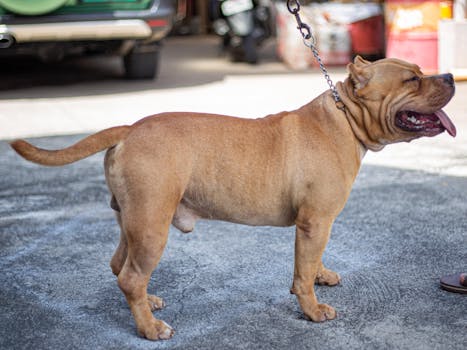
One of the primary roles of dog shows is to establish and uphold breed standards. For the American Bully, these standards highlight features such as a muscular build, a blocky head, and a short coat. Dog shows assess these dogs by these criteria, significantly influencing breeding choices. Adherence to such standards helps preserve the breed's characteristics, ensuring that the American Bully remains distinct and true to its origins.
.png)
Influence on Breed Popularity
Success in the show ring often translates into increased popularity for a breed. As American Bullies achieve recognition and accolades, they become more desirable as pets and even as status symbols. This heightened demand can lead to increased prices and spur more interest in breeding these dogs. While this can be beneficial by increasing the breed's visibility and encouraging responsible breeding practices, it can also lead to less scrupulous breeding aimed merely at capitalizing on the breed's popularity without regard for health or temperament.
Health Implications
The emphasis on specific physical traits in dog shows can sometimes lead to health issues. For instance, the preference for a more muscular and bulky physique might predispose the breed to joint problems or respiratory issues. The challenge lies in balancing the aesthetic traits valued in dog shows with the overall health and functionality of the dogs.
Temperament Promotion
Dog shows also play a crucial role in promoting temperament standards. The American Bully is appreciated for its friendly and sociable nature, and judges in dog shows typically reward dogs that display these traits. This not only helps in reinforcing the breed's characteristics as ideal family pets but also guides breeders towards prioritizing temperament in their breeding programs.
Ethical Considerations
The competitive nature of dog shows can sometimes encourage unethical practices, such as the use of performance-enhancing substances or prioritizing appearance over health. Such practices can harm the dogs and undermine the breed's integrity. It is vital for all involved—breeders, judges, and organizers—to focus on the animals' well-being and adhere strictly to ethical breeding and judging practices.
Conclusion
Dog shows undeniably play a critical role in shaping the American Bully breed. They are instrumental in defining breed standards, influencing breed popularity, and promoting desirable temperaments. However, these shows can also inadvertently encourage the exaggeration of physical traits and potentially unethical breeding practices. Moving forward, it is essential for the community surrounding the American Bully to foster a balanced approach that prioritizes health, temperament, and adherence to ethical standards, ensuring the breed's sustainability and well-being. For enthusiasts and potential owners, supporting responsible breeding and being informed about breed standards are crucial steps in maintaining the integrity and future of the American Bully.