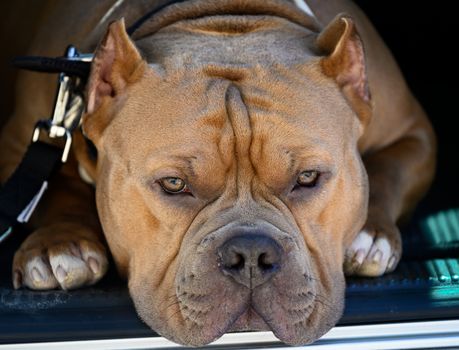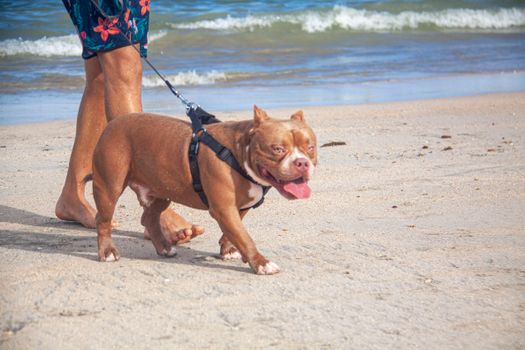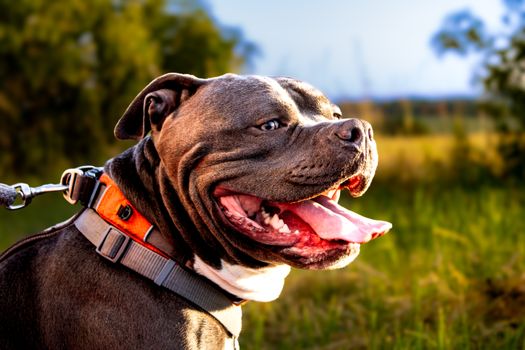
Are you considering adding a new four-legged companion to your family? If so, the idea of dog adoption is likely on your mind. Among the various breeds, the American Bully stands out for its unique combination of loyalty, intelligence, and adaptability. But what makes this breed a compelling choice for adopters, and how do they compare to other popular breeds when it comes to family life, temperament, and care needs? In this article, we’ll dive deep into the world of dog adoption with a focus on the American Bully, exploring what sets them apart and what you should know before making your decision.
The Rise of the American Bully in Dog Adoption
The American Bully is a relatively recent addition to the canine world, first recognized as a distinct breed in the 1990s. Developed in the United States by combining traits from the American Pit Bull Terrier, American Staffordshire Terrier, Bulldog-type breeds, and others, the American Bully was bred to be a companion animal with an emphasis on temperament and loyalty.
In the past decade, there has been a noticeable uptick in American Bully adoptions. According to the American Bully Kennel Club (ABKC), registrations for the breed have grown by over 300% since 2012. This surge is partially driven by growing public awareness of the breed’s gentle nature and suitability for families. Moreover, adoption rates for bully breeds in general have increased, with the ASPCA reporting that about 23% of all shelter dogs in the U.S. are bully breeds, including the American Bully.
.png)
Shelters and rescue organizations now routinely encounter American Bullies in need of loving homes—making adoption a critical pathway for this breed. This trend also reflects a broader societal shift towards adopting rather than buying pets, a movement that saves lives and helps reduce overpopulation in shelters.
Understanding the American Bully’s Personality and Temperament
When considering adoption, temperament is often a top concern for families. The American Bully is renowned for its stable, affectionate, and people-oriented nature. Unlike their ancestors, who were sometimes bred for working or guarding, American Bullies were specifically developed to be social, eager-to-please, and gentle with children.
Key temperament traits of the American Bully include:
- Exceptional loyalty: This breed bonds closely with its family, often forming strong attachments to all members, including children and other pets. - Social and friendly: Contrary to some misconceptions, the American Bully is rarely aggressive towards humans when properly socialized. Many owners describe them as “velcro dogs” due to their desire to be near their people. - Intelligent and responsive: American Bullies are quick learners and respond well to training, especially when positive reinforcement is used.A 2021 survey by the University of California, Davis, found that bully breeds, including the American Bully, scored above average for family friendliness and adaptability compared to other medium to large breeds. In fact, 89% of American Bully owners in the survey rated their dog as “excellent” with children.
Health and Lifespan: What to Expect from an Adopted American Bully
Adopting a dog comes with considerations about health, expected lifespan, and potential medical challenges. The American Bully, like all breeds, has specific health profiles prospective adopters should be aware of.
- Average lifespan: 10-13 years, with proper care and a healthy lifestyle. - Common health issues: As a breed with Bulldog ancestry, American Bullies can be prone to hip and elbow dysplasia, skin allergies, and certain heart conditions. - Size variation: Depending on the variety (Standard, Pocket, XL, or Classic), American Bullies can weigh anywhere from 30 to over 100 pounds.A study published in the Journal of Veterinary Science (2020) found that American Bullies had a lower incidence of inherited diseases compared to purebred Bulldogs or some other bully breeds, largely thanks to conscientious breeding practices aimed at reducing health risks.
Shelters and rescues often provide initial health screenings, vaccinations, and spay/neuter services, which eases the transition for adopters. Many organizations also offer post-adoption support for veterinary care and training.
Comparing the American Bully with Other Popular Adopted Breeds
When choosing a dog to adopt, comparing breeds can help clarify which is the best fit for your lifestyle. Below is a comparison table highlighting key traits of the American Bully alongside two other popular shelter breeds: the Labrador Retriever and the German Shepherd.
| Breed | Average Lifespan | Weight Range | Temperament | Exercise Needs | Family Suitability |
|---|---|---|---|---|---|
| American Bully | 10-13 years | 30-120 lbs | Loyal, affectionate, stable | Moderate | Excellent |
| Labrador Retriever | 10-12 years | 55-80 lbs | Friendly, outgoing, energetic | High | Excellent |
| German Shepherd | 9-13 years | 50-90 lbs | Intelligent, protective, active | High | Very Good |
What stands out is the American Bully’s moderate exercise needs and its exceptional family suitability. While Labs and Shepherds are highly active and require significant time for exercise and mental stimulation, the American Bully is content with daily walks and play sessions—making it a fantastic choice for families who want a loving companion without the need for extensive outdoor activities.
Adopting an American Bully: Process and What to Expect
The adoption process for an American Bully is similar to that for other dogs but does have some unique considerations:
1. Finding a reputable rescue or shelter: Start by searching local shelters, breed-specific rescues, and adoption websites. The American Bully Rescue Organization and local humane societies are excellent resources. 2. Application and screening: Most organizations require an application, interview, and sometimes a home visit to ensure that the adopter understands the breed’s needs. 3. Meeting the dog: Prospective adopters are encouraged to spend time with the dog. American Bullies often display their affectionate side quickly, which helps families connect. 4. Adoption fees: Fees generally range from $150 to $400, which typically includes vaccinations, microchipping, and spay/neuter surgery. 5. Transition and support: Many rescues offer ongoing support, including training advice and health resources, ensuring a smooth transition for both your new dog and your family.It’s important to note that some housing communities have breed restrictions. Always check your local regulations and housing policies before adopting any bully breed.
Dispelling Myths: The Truth About American Bullies in Adoption
Despite their rapid rise in popularity, American Bullies are sometimes misunderstood due to their muscular appearance and association with other bully breeds. Let’s address some of the most common myths:
- Myth: American Bullies are inherently aggressive. Fact: Studies and owner testimonials consistently show that, when properly socialized, American Bullies are affectionate, stable, and excellent with children. - Myth: They require excessive training. Fact: While all dogs benefit from training, American Bullies are eager to please and respond exceptionally well to positive reinforcement. - Myth: They are not suitable for first-time owners. Fact: Their loyalty and responsive nature make them a great choice for families and even for responsible first-time dog owners willing to invest in training and care.The 2022 National Pet Owners Survey reported that bully breeds now make up 15% of all adopted dogs in the U.S., and satisfaction rates among adopters are high, with over 92% stating they would adopt the breed again.
Why the American Bully May Be the Right Choice for Your Family
If you are seeking a loving, loyal, and adaptable companion, adopting an American Bully may be one of the most rewarding decisions you make. This breed stands out for its gentle nature, strong bonds with humans, and ability to thrive in a variety of home environments. Whether you have children, other pets, or simply want a devoted friend, the American Bully is worth considering.
By choosing to adopt, you are not only gaining a wonderful new family member but also saving a life and helping to shift perceptions about a misunderstood breed. With the right preparation and a commitment to responsible ownership, your adopted American Bully can become a beloved fixture in your home for years to come.