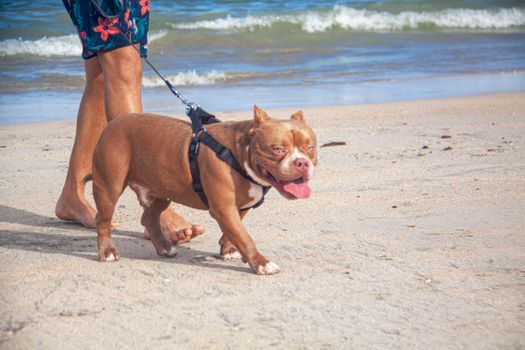
Thinking of Breeding Your American Bully? Here’s What You Need to Know
The American Bully is an impressive breed, beloved for its loyal temperament, athletic physique, and distinctive look. In recent years, its popularity has soared, with registrations for the breed rising by over 30% in the last five years. As a result, more owners are considering breeding their American Bullies, whether for companionship, show, or even business purposes. However, breeding this unique dog is a complex responsibility that goes far beyond pairing two healthy adults. From genetics and health testing to legal obligations and ethical considerations, there’s a lot to navigate.
If you’re contemplating breeding your American Bully, this comprehensive guide will help you understand what’s truly involved, what challenges you might face, and the crucial steps to follow before taking the plunge.
The Importance of Health Testing and Genetic Screening
One of the most critical aspects of responsible American Bully breeding is ensuring the health and genetic soundness of both prospective parents. This isn’t just about avoiding obvious illnesses—many hereditary issues can lurk beneath the surface, only becoming apparent in puppies or later generations.
.png)
According to the Orthopedic Foundation for Animals (OFA), nearly 24% of American Bullies tested show some form of hip dysplasia, a debilitating joint condition. Other common concerns include congenital heart defects, skin allergies, and eye disorders such as entropion. To minimize these risks:
- Schedule comprehensive veterinary examinations for both dogs. - Perform DNA testing for breed-specific hereditary conditions. - Obtain OFA or PennHIP certification for hips and elbows. - Screen for cardiac issues via an echocardiogram. - Ensure up-to-date vaccinations and parasite prevention.Investing in these tests can cost between $400 and $1,200 per dog, but it’s a small price to pay for the health of future puppies and the reputation of your kennel.
Understanding the Different Types of American Bullies
Before breeding, it’s essential to know which type of American Bully you have. The breed is divided into several distinct classes recognized by major registries like the American Bully Kennel Club (ABKC) and United Kennel Club (UKC): Pocket, Standard, Classic, and XL. Each type has different size requirements and aesthetic guidelines.
Here’s a quick comparison:
| Type | Height (Male) | Height (Female) | Weight Range | Key Features |
|---|---|---|---|---|
| 14-17 in | 13-16 in | 30-60 lbs | Shortest, compact, muscular | |
| Standard | 17-20 in | 16-19 in | 60-85 lbs | Balanced, classic Bully look |
| Classic | 17-20 in | 16-19 in | 60-85 lbs | Lighter frame, less bulk |
| XL | 20-23 in | 19-22 in | 80-150 lbs | Largest, massive build |
Matching the right types is important—crossing a Pocket and an XL, for example, can result in unpredictable sizes and traits, which may not be accepted in shows or by serious buyers. Always review the official breed standards before making breeding decisions.
Legal, Ethical, and Contractual Responsibilities
Breeding dogs isn’t just a personal decision; it comes with significant legal and ethical duties. Many regions have specific laws about breeding, kennel licensing, and animal welfare. In the U.S., for instance, some states require breeders to register and comply with local animal control regulations once they have more than a certain number of intact (unneutered) dogs.
Ethical breeders also commit to:
- Never breeding dogs with known health or behavioral issues. - Providing proper socialization for puppies. - Keeping puppies until at least 8 weeks old, as early separation can lead to developmental problems. - Offering a health guarantee and return policy for new owners. - Screening homes to prevent dogs from ending up in shelters.It’s wise to use a detailed breeding contract that outlines responsibilities, puppy ownership rights, and what happens if a puppy needs to be returned. This protects both you and the puppy’s future.
The Financial Realities of Breeding American Bullies
Many first-time breeders underestimate the costs associated with raising a litter. While American Bully puppies can fetch premium prices—typically between $2,000 and $10,000 depending on lineage and type—the expenses are equally significant.
Consider these typical costs per litter:
- Health testing (both parents): $800–$2,000 - Stud fee (if using an outside male): $1,000–$5,000 - Prenatal care and ultrasounds: $500–$1,200 - Whelping supplies: $300–$600 - Emergency veterinary care (C-sections are common): $1,000–$2,500 - Puppy vaccinations and deworming: $400–$1,000 - Food and supplies for the dam and litter: $500–$1,000 - Registration and pedigree paperwork: $100–$300 - Marketing and finding suitable homes: variableA single complication during pregnancy or whelping can double your expenses. According to the American Kennel Club, over 20% of Bully breed litters require veterinary assistance at birth.
Preparing for Whelping and Puppy Rearing
The breeding journey doesn’t end with a successful mating. Pregnancy in American Bullies lasts about 63 days, but careful monitoring is required throughout. Females should be kept on a high-quality diet and receive regular veterinary checkups.
Whelping (the birthing process) can be challenging, particularly for larger or heavily muscled females. Signs of distress or prolonged labor may require immediate veterinary intervention.
After birth, puppies need round-the-clock monitoring for the first two weeks. American Bully litters can range from 4 to 10 puppies, and weak or small pups may require bottle feeding. Socialization begins early; by 3 weeks, puppies should be gently handled and exposed to normal household sounds.
Good breeders also start basic training, crate familiarization, and gentle temperament assessments by 6 weeks. The effort you invest in these early weeks significantly shapes the future temperament and health of your puppies.
Planning for the Long-Term: Lifelong Support and Breed Improvement
Every responsible breeder aims to improve the breed, not just produce more puppies. This means making careful choices about which dogs to breed, prioritizing health, structure, and temperament over trends or color. With American Bullies, flashy colors like blue or tri-color may be popular, but should never come at the expense of genetic soundness.
Additionally, be prepared to offer lifelong support to your puppy buyers. This includes being available for advice, taking back dogs if needed, and maintaining a network of connections within the American Bully community.
The breed’s continued reputation and well-being depend on breeders who care about more than just profit. According to a 2022 survey by the American Bully Kennel Club, over 40% of breeders reported taking back at least one puppy that was surrendered by its owner—showing the importance of ongoing commitment.
Key Takeaways Before Starting Your American Bully Breeding Journey
Breeding American Bullies can be a deeply rewarding journey, but it’s not a casual endeavor. It requires careful planning, significant financial investment, and an unwavering commitment to the health and well-being of both parent dogs and their puppies. From understanding genetic risks and breed standards to managing the whelping process and supporting new owners, every step demands diligence and compassion.
If you’re serious about making a positive impact on the breed, take the time to educate yourself, network with experienced breeders, and always put the dogs’ best interests first. In doing so, you’ll help ensure a brighter, healthier future for the American Bully community.