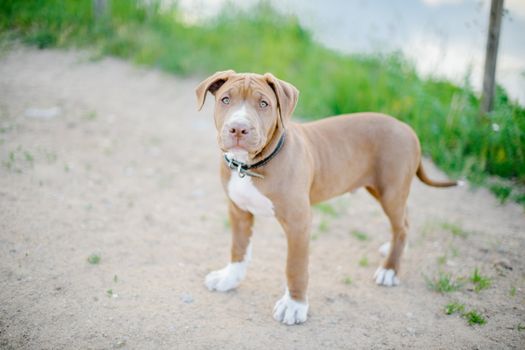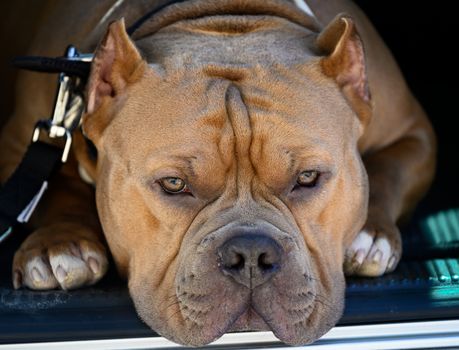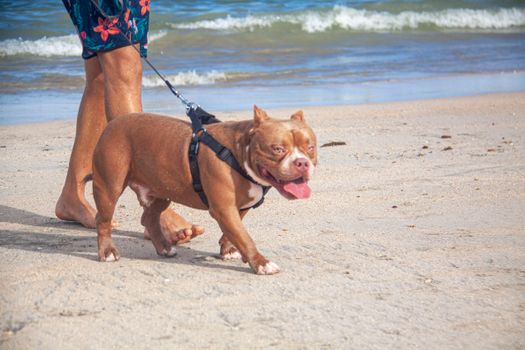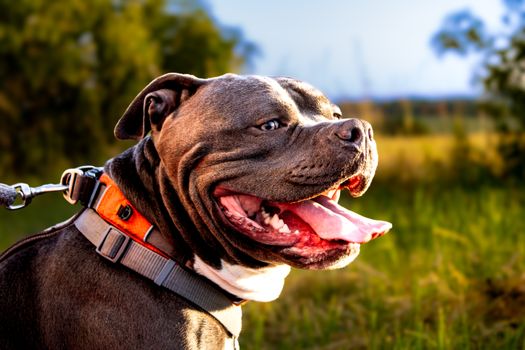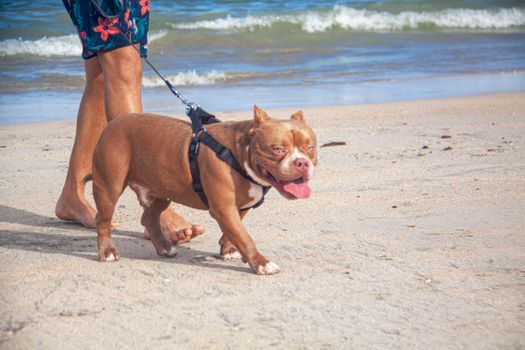
American Bullies are a beloved breed known for their muscular physique, loyalty, and affectionate nature. However, like all breeds, they face specific health challenges that owners should be aware of. Understanding these common health issues in American Bully dogs—and learning how to prevent them—can ensure your four-legged companion enjoys a healthier, happier life. This article delves deep into the most frequent health concerns in American Bullies, exploring prevention strategies, early warning signs, and how to keep your dog thriving for years to come.
The Unique Health Profile of the American Bully
American Bullies, a relatively new breed developed in the 1990s, are a cross between the American Pit Bull Terrier, American Staffordshire Terrier, and occasionally other bulldog-type breeds. Their physical traits—broad chests, stocky builds, and distinctive heads—make them instantly recognizable. But these very traits also contribute to certain breed-specific health issues.
A 2022 survey by the American Kennel Club estimated that 1 in 3 American Bullies experience at least one chronic health problem during their lifetime. While they are generally robust and energetic, it's crucial to recognize which ailments are most prevalent in this breed. Early detection and proactive care are key.
.png)
Most Common Health Issues in American Bullies
Let's look at the top health issues frequently seen in American Bullies, along with statistics and real-world examples:
1. Hip Dysplasia This condition, where the hip joint doesn't fit into the hip socket properly, leads to pain and mobility issues. According to the Orthopedic Foundation for Animals, up to 25% of American Bullies tested show some degree of hip dysplasia. 2. Skin Allergies and Sensitivities American Bullies are prone to skin allergies, manifesting as itching, redness, and hot spots. Environmental factors, food allergens, and even fleas can trigger these reactions. A 2021 study found that nearly 40% of bully breeds had at least one episode of dermatitis in their lifetime. 3. Brachycephalic Airway Syndrome Thanks to their broad, short muzzles, some American Bullies can develop respiratory problems. While not as pronounced as in English Bulldogs, this trait may lead to snoring, labored breathing, and intolerance to heat. 4. Heart Disease American Bullies are at risk for congenital heart defects such as aortic stenosis and cardiomyopathy. These conditions may not present obvious symptoms until they are advanced. 5. Demodectic Mange Caused by Demodex mites, this skin condition can be more common in bullies due to their sometimes-compromised immune systems.These health issues vary in severity and frequency, but understanding them allows owners to take specific action to reduce risk and improve quality of life.
Prevention Starts with Responsible Breeding
Many health problems in American Bullies are hereditary. This means prevention begins before a puppy is even born. Responsible breeders play a vital role in reducing the prevalence of genetic diseases.
Here are steps taken by reputable breeders:
- Health Screening: Ethical breeders test prospective parents for hip dysplasia, heart defects, and genetic skin disorders. The use of OFA (Orthopedic Foundation for Animals) and PennHIP certifications is common. - Selective Pairing: Avoiding breeding pairs with known health issues or carriers of genetic mutations. - Early Vet Checks: Puppies undergo multiple veterinary screenings before adoption, ensuring early detection of congenital problems.An informed puppy buyer should always request health certifications for both parents. Choosing a puppy from a breeder who prioritizes health over appearance reduces the likelihood of many inherited health issues.
Nutrition and Weight Management: The Foundation of Prevention
Obesity is a silent contributor to numerous health problems in American Bullies, including joint issues, heart disease, and diabetes. According to the Association for Pet Obesity Prevention, 56% of dogs in the United States are overweight or obese, and bully breeds are especially susceptible due to their stocky build and love of food.
Key strategies for maintaining a healthy weight:
- Balanced Diet: Choose high-quality dog foods formulated for medium-to-large breeds. Protein-rich diets with controlled fat levels are ideal. - Portion Control: Measure food precisely, and avoid overfeeding or excessive treats. - Regular Exercise: At least 30-60 minutes of daily activity, including walks, play, and mental stimulation.Proper nutrition also supports skin health, immune function, and overall vitality. Omega-3 fatty acids, found in fish oil supplements, can reduce inflammation and improve skin conditions. Consult your vet to tailor a diet plan to your American Bully's age, activity level, and health status.
Proactive Veterinary Care and Early Detection
Routine veterinary checkups are your best defense against the progression of health problems. Dogs that see a veterinarian at least once a year are more likely to have treatable issues caught early, leading to better outcomes.
Recommended preventive care for American Bullies:
- Annual Physical Exams: Comprehensive checkups help detect heart murmurs, joint stiffness, or subtle skin changes. - Vaccinations and Parasite Control: Keeping up-to-date protects against contagious diseases and parasites that can aggravate skin and immune issues. - Regular Blood Work: Starting at age 5, annual blood panels can identify early signs of organ dysfunction or metabolic disease.Here’s a comparative overview of recommended preventive health checkups by age:
| Dog's Age | Key Health Checks | Frequency |
|---|---|---|
| Puppy (0-1 year) | Vaccinations, deworming, congenital defect screening | Every 3-4 weeks until 16 weeks, then annually |
| Adult (1-7 years) | Physical exams, parasite control, dental checks | Yearly |
| Senior (7+ years) | Blood work, joint assessment, organ screening | Twice yearly |
Following this schedule helps ensure that issues like hip dysplasia or heart disease are discovered before they become severe.
Environmental Factors and Daily Habits That Matter
Beyond genetics and diet, a dog’s environment plays a significant role in health outcomes. Owners can reduce risk factors by making thoughtful choices in daily routines:
- Temperature Control: Because some American Bullies are prone to respiratory issues, avoid excessive heat and humidity. Never leave your bully in a parked car or outside on hot days. - Clean Living Spaces: Regularly wash bedding, vacuum carpets, and minimize exposure to dust or harsh cleaning chemicals to help prevent skin allergies. - Safe Exercise: Avoid high-impact activities that stress the hips and joints. Swimming is an excellent, low-impact exercise for American Bullies.In addition, mental stimulation and socialization can reduce stress, which is linked to improved immune function and overall well-being. Puzzle toys, basic obedience training, and positive interaction with people and other dogs all contribute to a healthier, happier bully.
Recognizing Early Warning Signs
Catching health problems early is essential. Owners should be vigilant for signs that may indicate emerging issues:
- Reluctance to rise, limp, or changes in gait (possible joint problems) - Persistent scratching, red or flaky skin (allergies or mange) - Coughing, wheezing, or loud snoring (respiratory distress) - Rapid weight gain or loss, decreased activity (metabolic or heart disease)If you notice any of these symptoms, consult your veterinarian promptly. Early intervention can mean the difference between a manageable condition and a serious health crisis.
Final Thoughts on American Bully Health and Prevention
American Bullies are strong and loving companions, but their unique genetics and anatomy mean they face specific health challenges. By understanding the most common issues—hip dysplasia, skin allergies, respiratory syndromes, heart disease, and more—you can take concrete steps to prevent or manage these conditions. Responsible breeding, smart nutrition, regular veterinary care, and a healthy home environment all play critical roles in your American Bully’s quality of life.
Proactive prevention and early detection are the best gifts you can give your dog. Stay informed, work closely with your veterinarian, and enjoy the loyalty and affection that make the American Bully such a special breed.