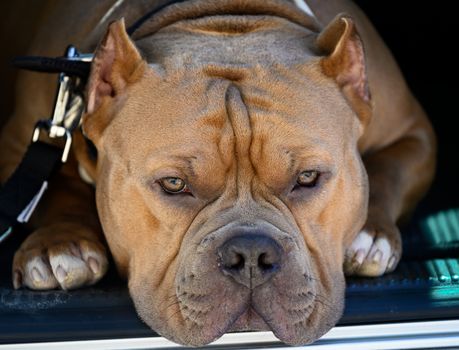
Caring for your American Bully is more than just providing food and love—it’s about proactively maintaining their health to ensure a long, happy, and energetic life. This unique breed is known for its muscular build, affectionate nature, and adaptability, but like all dogs, American Bullies have specific needs that set them apart. Whether you’re a first-time owner or a seasoned Bully enthusiast, understanding how to maintain your American Bully’s health is essential. In this comprehensive guide, we’ll explore actionable strategies, from preventive care and exercise to dental hygiene and mental stimulation, so you can give your Bully the best possible life.
The Unique Health Profile of the American Bully
American Bullies are a relatively new breed, officially recognized by the American Bully Kennel Club (ABKC) in 2004. They were developed for companionship, combining the muscular physique of the American Pit Bull Terrier, the American Staffordshire Terrier, and various bulldog breeds. Because of their origins, they share some health predispositions, but they also benefit from hybrid vigor.
Key health facts about American Bullies: - Average lifespan: 10–13 years - Adult weight range: 35–120 pounds, depending on the variety (Pocket, Standard, Classic, or XL) - Common health concerns: Hip dysplasia, skin allergies, heart disease, and hypothyroidismResponsible breeding has reduced many hereditary issues, but environmental factors and daily care play a significant role. A 2022 survey by the American Veterinary Medical Association found that 37% of Bully breed owners reported at least one chronic skin condition in their dogs. Keeping your American Bully healthy requires both awareness and action.
.png)
Proactive Veterinary Care: More Than Annual Checkups
Routine veterinary visits are the cornerstone of your Bully’s long-term health. Yet, many owners underestimate the value of proactive care, which goes beyond yearly vaccinations. American Bullies benefit from a partnership with a veterinarian who understands the breed’s particular needs.
Important aspects of veterinary care include: 1. Early Screening: Screen for hip and elbow dysplasia from as early as 12 months. The Orthopedic Foundation for Animals reports that 24% of American Bullies tested in 2023 had some degree of hip dysplasia. 2. Heart Health Monitoring: Bullies can be susceptible to congenital heart conditions. Annual auscultation and, if warranted, echocardiograms help catch early signs. 3. Skin and Allergy Testing: Because allergies are common, regular skin examinations and, if necessary, allergy testing can prevent chronic issues. 4. Dental Examinations: Dental disease affects nearly 80% of dogs over age three, yet it’s often overlooked. Annual dental check-ups and cleanings are vital.A proactive approach means discussing supplements, preventive medications (like flea, tick, and heartworm preventatives), and spaying/neutering options. Early intervention can save money and heartache down the road.
Optimal Nutrition: Tailoring Diets for Bully Breeds
Diet plays a critical role in maintaining your American Bully’s health, supporting their strong physique and energy needs without contributing to obesity. Bullies are prone to weight gain, which can exacerbate joint issues and heart problems, so portion control and food quality are key.
Consider the following nutritional guidelines: - Protein: High-quality animal protein (at least 22% of dry matter) supports muscle maintenance. - Fat: Moderate fat content (12–16%) provides energy without excess calories. - Carbohydrates: Limited, complex carbohydrates like sweet potatoes and brown rice are preferable. - Omega-3 Fatty Acids: Support skin, coat, and joint health—especially important in a breed prone to allergies.Feeding frequency can also impact health. Puppies thrive on 3–4 meals per day, while adults do best with 2 meals daily. Avoid free-feeding, which can lead to obesity.
To help you compare popular feeding options, here’s a table summarizing the pros and cons of three common diet types for American Bullies:
| Diet Type | Benefits | Drawbacks | Average Monthly Cost |
|---|---|---|---|
| Commercial Kibble (Premium) | Convenient, balanced nutrients, easy to store | Potential allergens, some fillers | $50–$80 |
| Raw Diet | Fresh ingredients, high protein, fewer additives | Risk of bacterial contamination, requires planning | $100–$200 |
| Home-Cooked | Customizable, controlled ingredients | Time-consuming, may lack nutrients if not properly formulated | $80–$150 |
Always consult your veterinarian or a canine nutritionist before switching diets, especially with raw or home-cooked options, to ensure your Bully receives all necessary vitamins and minerals.
Exercise and Mental Stimulation: Fueling Body and Mind
American Bullies are athletic and intelligent, requiring both physical and mental exercise to stay healthy. Insufficient activity can lead to obesity, joint stiffness, and behavioral issues like chewing or barking.
Physical Exercise: - Daily walks: Two 30-minute walks per day are ideal for most adult Bullies. - Strength training: Tug-of-war, flirt poles, and agility exercises support muscle tone. - Playtime: Fetch and supervised free play foster cardiovascular health. Mental Stimulation: - Puzzle toys: Interactive feeders and toys challenge their minds and decrease boredom. - Obedience training: Regular sessions reinforce commands and enhance the human-animal bond. - New experiences: Socialization trips, such as visits to dog-friendly parks or stores, keep your Bully engaged.According to a 2021 study in the Journal of Veterinary Behavior, dogs who receive at least 30 minutes of daily mental stimulation are 40% less likely to develop anxiety-related behaviors. For Bullies, whose intelligence matches their strength, a mix of physical and mental activities is especially beneficial.
Managing Skin and Coat Health: Preventing Common Problems
Skin conditions are one of the leading health issues in American Bullies. Their short, smooth coats are easy to groom but can be prone to allergies, hot spots, and mange if not properly cared for.
Key tips for maintaining healthy skin and coat: - Weekly brushing: Removes dead hair and distributes natural oils. - Hypoallergenic shampoos: Bathe monthly or as needed to prevent irritation. - Flea and tick control: Consistent use of veterinarian-approved preventatives reduces the risk of infestations. - Monitor for hot spots: Red, itchy patches can develop quickly and require immediate attention.A balanced diet rich in Omega-3 fatty acids (found in fish oil or flaxseed oil) can further support skin health. If you notice signs of chronic itching, bald spots, or sores, consult your veterinarian for allergy testing or treatment.
Supporting Joint and Muscle Health Throughout Life
The muscular build that defines American Bullies also places stress on their joints, particularly as they age or if they become overweight. Preventing joint problems is easier than treating them, and it starts early.
Strategies for optimal joint and muscle health: - Maintain healthy weight: Every extra pound increases stress on the hips and knees. - Controlled exercise: Avoid overexertion, especially in puppies and senior dogs. - Joint supplements: Glucosamine, chondroitin, and MSM can support cartilage integrity; consult your vet before starting any supplement. - Regular mobility assessments: Watch for limping, reluctance to jump, or stiffness after resting.According to the Canine Health Information Center, approximately 20% of American Bullies will develop some form of joint disease during their lifetime. Early detection and preventive measures can dramatically improve comfort and mobility well into old age.
Creating a Healthy Home Environment for Your American Bully
Your home significantly impacts your Bully’s health. Provide a supportive environment by focusing on safety, comfort, and stress reduction.
Tips for a healthy home: - Comfortable bedding: Orthopedic beds protect joints and promote restful sleep. - Temperature control: Bullies are sensitive to extreme heat and cold. Avoid prolonged outdoor exposure in harsh weather. - Safe spaces: Quiet areas for rest help reduce anxiety, especially in multi-pet households. - Household toxins: Store cleaning supplies, medications, and toxic plants out of reach.Regularly clean food and water bowls to prevent bacterial buildup, and inspect toys for wear that could pose choking hazards. A safe, nurturing home supports every other aspect of your Bully’s health.
Final Tips for Lifelong American Bully Wellbeing
Maintaining your American Bully’s health is a multifaceted responsibility that blends proactive veterinary care, tailored nutrition, exercise, mental engagement, and a nurturing environment. By understanding your Bully’s unique needs and acting early, you can minimize risks and maximize quality of life. Remember: prevention is always better than cure. Make health maintenance a daily routine, and your loyal companion will thrive by your side for years to come.