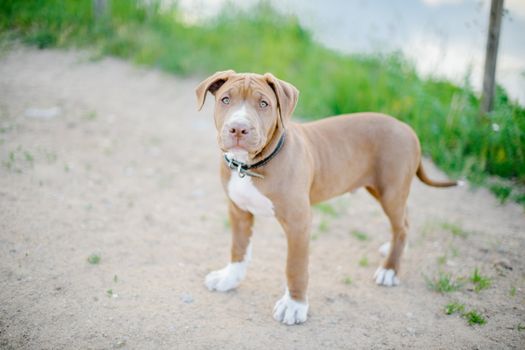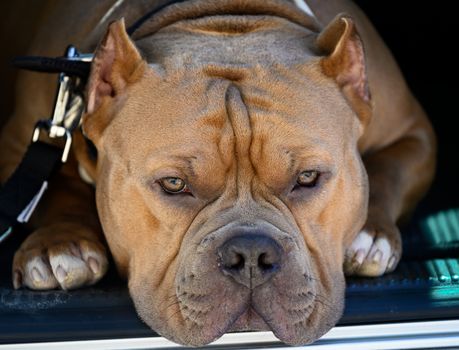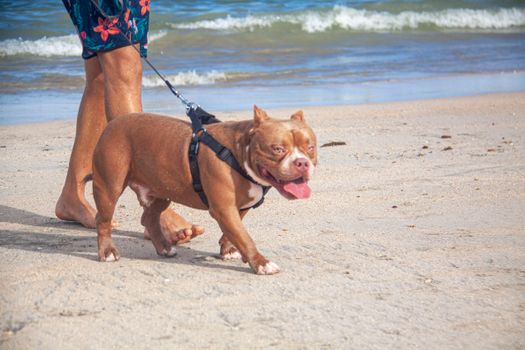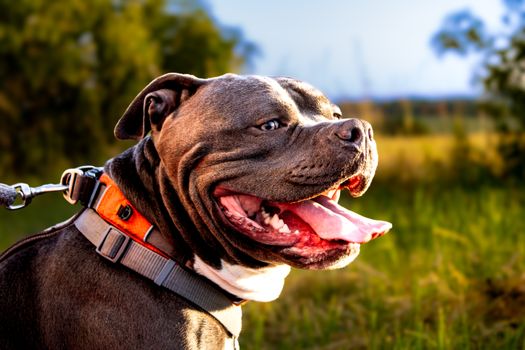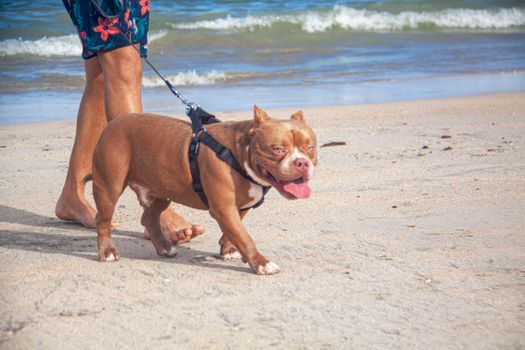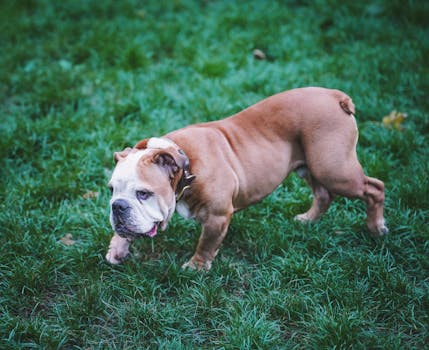
Welcoming a Bully breed into your home is an exciting journey filled with companionship, loyalty, and endless affection. Whether you’ve chosen an American Bully, English Bulldog, French Bulldog, or another member of the so-called “Bully breeds,” these dogs bring unique energy and charm to any household. However, first-time Bully owners often underestimate the breed-specific care requirements. From understanding their emotional needs to providing the right exercise, grooming, and socialization, your new Bully’s well-being hinges on informed, proactive care.
This guide offers essential dog care tips tailored specifically for new Bully owners. We’ll go beyond the basics, focusing on the unique challenges and joys that Bully breeds present. By the end, you’ll be equipped to create a nurturing, healthy, and harmonious environment for your new best friend.
Understanding the Unique Temperament and Needs of Bully Breeds
While the term “Bully breed” encompasses a diverse group—including American Bullies, Pit Bulls, Staffordshire Bull Terriers, and Bulldogs—they share distinct personality traits. Bully breeds are known for their loyalty, intelligence, and affectionate nature. However, their muscular builds, strong-willed personalities, and historical stigmas mean they require attentive, confident owners.
.png)
A 2022 survey from the American Kennel Club found that 68% of Bully breed owners noted their dogs were particularly sensitive to human emotions, and 61% reported high levels of attachment and separation anxiety when left alone for extended periods. This emotional sensitivity means Bully breeds thrive on human interaction and can develop behavioral issues if neglected or isolated.
Key temperament traits to keep in mind: - $1: Bully breeds love spending time with their families and often seek close physical contact. - $1: They respond well to positive reinforcement training but can become bored with repetitive routines. - $1: With proper guidance and socialization, most Bully breeds are gentle, especially with children.Understanding these traits is crucial for building a strong foundation of trust and companionship from day one.
Proper Nutrition: Building Blocks for a Healthy Bully
Bully breeds have unique nutritional needs due to their muscular physiques, propensity for allergies, and risk of obesity. Studies have shown that up to 42% of Bulldogs are overweight, and 35% of American Bullies are prone to food allergies, particularly to grains and certain proteins.
When choosing food for your Bully: - $1 support muscle maintenance. - $1 such as corn, soy, and wheat, which can trigger allergies. - $1 help maintain healthy skin and coats, reducing the risk of common issues like mange and dermatitis.Puppies, adults, and seniors have different caloric and nutrient requirements, so consulting your veterinarian for breed-specific recommendations is key. Regularly monitor your Bully’s weight and body condition — a healthy Bully should have a visible waist and palpable ribs without excess fat.
Here’s a quick comparison table of typical nutritional needs among common Bully breeds:
| Bully Breed | Average Adult Weight (lbs) | Calories/Day | Common Allergens |
|---|---|---|---|
| American Bully | 70-120 | 1,400-2,000 | Chicken, grains, beef |
| English Bulldog | 40-55 | 1,000-1,500 | Wheat, corn, dairy |
| French Bulldog | 16-28 | 650-900 | Chicken, grains, soy |
| Staffordshire Bull Terrier | 24-38 | 800-1,000 | Beef, chicken, dairy |
Always introduce new foods gradually to minimize digestive upsets, and provide fresh water at all times.
Exercise and Mental Enrichment: Keeping Your Bully Engaged
Bully breeds are often mischaracterized as lazy couch potatoes or, conversely, as hyperactive. The truth is, their exercise needs are moderate but consistent. Insufficient activity can lead to obesity, joint issues, and destructive behaviors.
According to a 2023 Pet Obesity Prevention study, Bully breeds that received at least 45 minutes of structured physical activity per day were 34% less likely to be overweight and exhibited fewer behavioral problems.
Recommended activities: - $1: Two 20- to 30-minute walks keep most Bullies satisfied. - $1: Tug-of-war, fetch, and agility games help burn energy and build bonds. - $1: Puzzle toys, basic obedience training, and scent games challenge their sharp minds.Be cautious with strenuous activities, especially for Bulldogs and Frenchies. Their brachycephalic (short-nosed) structure makes them prone to overheating and breathing difficulties. Always exercise in cooler parts of the day and provide ample water and shade.
Grooming and Skin Care: Preventing Common Bully Issues
Despite their often short, sleek coats, Bully breeds are prone to specific grooming and skin challenges. Wrinkle folds, especially in Bulldogs and Frenchies, can harbor moisture and bacteria, while American Bullies and Staffies may have sensitive skin.
Top grooming tips: - $1: Clean and dry facial and body folds daily to prevent infections. - $1: Bathe no more than once a month using a gentle, hypoallergenic dog shampoo. - $1: Bully breeds have folded ears that can trap debris and wax; clean weekly with a vet-approved solution. - $1: Active Bullies may naturally wear down their nails, but check monthly to avoid overgrowth.Skin allergies are a big issue, with up to 50% of Bulldogs experiencing dermatitis at some point. If you notice redness, excessive itching, or bald patches, consult your veterinarian for allergy testing or topical treatments.
Socialization and Training: Raising a Well-Adjusted Bully
While Bullies are naturally affectionate, early and continuous socialization is critical for developing confidence and good manners. Socialization reduces the risk of fear-based behaviors and helps counter negative stereotypes often associated with these breeds.
Socialization strategies: - $1: Enroll your Bully in group classes by 12-16 weeks of age for exposure to new people, dogs, and environments. - $1: Gradually introduce your Bully to various sights, sounds, and experiences, always using positive reinforcement. - $1: Use clear commands and reward-based training. Avoid harsh discipline, as Bullies respond best to encouragement.Obedience training is also vital. A University of Pennsylvania study found that well-socialized and trained Bullies were 73% less likely to develop problem behaviors, including leash reactivity and resource guarding.
Health Monitoring and Preventive Care: Staying Ahead of Potential Issues
Bully breeds, especially brachycephalic types, are prone to certain hereditary and lifestyle-related health concerns. Proactive care and regular veterinary visits are essential.
Common Bully health concerns: - $1: More prevalent in heavier breeds like the American Bully and English Bulldog. - $1: Impacts Bulldogs and Frenchies, causing breathing difficulties. - $1: Resulting from trapped moisture and bacteria in skin folds. - $1: Often linked to obesity. Preventive care checklist: - Annual wellness exams - Core vaccinations (rabies, distemper, parvovirus) - Heartworm, flea, and tick prevention - Dental care (brushing teeth and providing dental chews) - Regular weight and body condition monitoringBy staying proactive, you can catch potential issues early and maximize your Bully’s quality of life.
Final Thoughts: Building a Long, Happy Life with Your Bully
Becoming a Bully breed owner is a rewarding commitment that brings years of joy, laughter, and unconditional love. These dogs thrive when their physical, emotional, and social needs are met with informed, compassionate care. By understanding their unique personalities, providing appropriate nutrition, regular exercise, and ongoing health monitoring, you’ll set your Bully up for a vibrant and fulfilling life.
Remember, every Bully is an individual, and learning to read your dog’s cues and preferences is just as important as following general guidelines. With patience, knowledge, and heart, you and your Bully will forge an unbreakable bond.