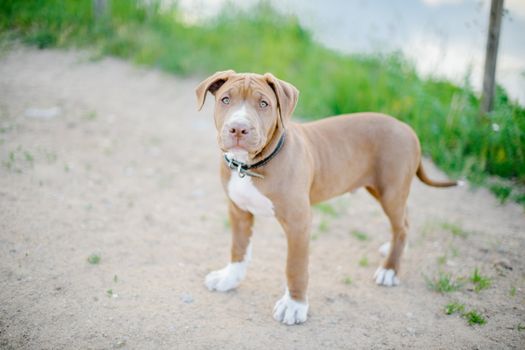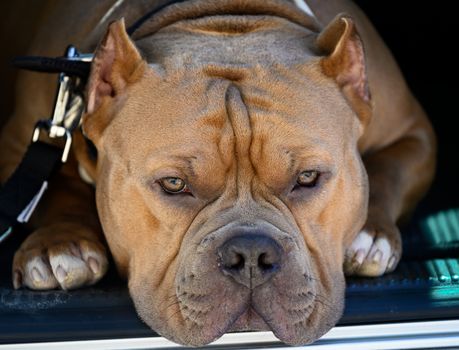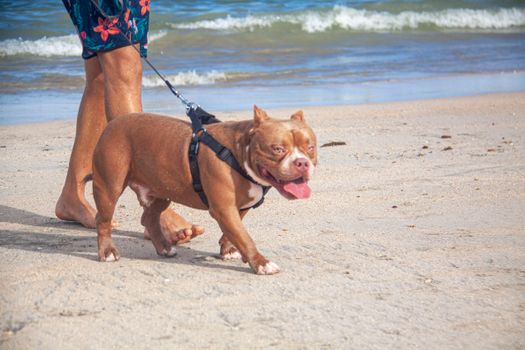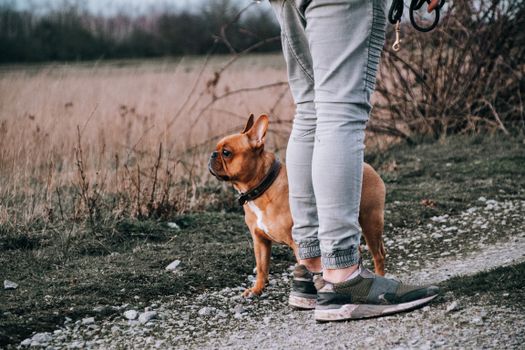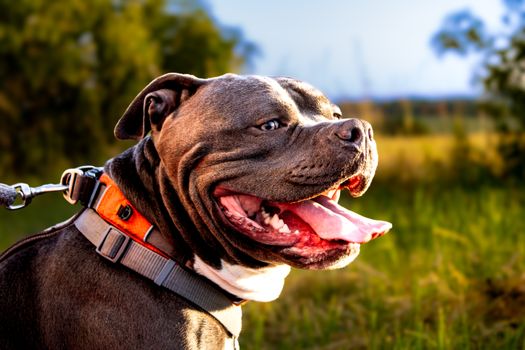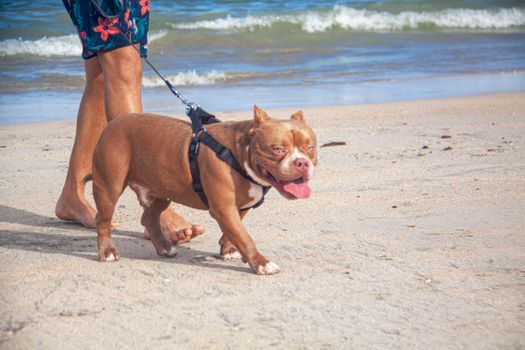
Are you fascinated by the striking looks, loyal temperament, and growing popularity of the American Bully? If you’re considering breeding American Bullies, you’re stepping into a world that blends genetics, animal care, community, and responsibility. Dog breeding—especially with a distinctive breed like the American Bully—is about much more than pairing two dogs. It’s a journey that requires a deep understanding of breed standards, health screening, ethical practices, and the evolving expectations of the Bully breed community.
This guide takes you through the essentials of American Bully breeding, focusing on the steps, science, and responsibilities that set quality breeders apart. Whether you’re a newcomer or looking to refine your breeding program, discover what it really takes to breed American Bullies the right way.
Understanding the American Bully: Beyond Appearance
The American Bully is not just a single “look”—it’s a breed with a unique history, temperament, and set of standards. Developed in the late 20th century, the American Bully blends the muscular build of the American Pit Bull Terrier and American Staffordshire Terrier with a calmer, more companionable disposition. The breed is recognized by the American Bully Kennel Club (ABKC) and other registries, with four main classes: Pocket, Standard, Classic, and XL.
.png) Key facts about the American Bully:
- The breed was established in the 1990s in the United States.
- According to the ABKC, American Bullies should display “gentle, loving, and loyal” temperaments.
- Sizes range from the 13-inch Pocket Bully to the 23-inch XL Bully at the withers (shoulder height).
Key facts about the American Bully:
- The breed was established in the 1990s in the United States.
- According to the ABKC, American Bullies should display “gentle, loving, and loyal” temperaments.
- Sizes range from the 13-inch Pocket Bully to the 23-inch XL Bully at the withers (shoulder height).
Why does this matter for breeders? Because responsible breeding means not only producing dogs that look the part, but dogs that are healthy, stable, and suited to family life. Understanding the difference between classes, and the breed’s core traits, is the first step to a successful breeding program.
Planning Your Breeding Program: Genetics, Goals, and Record-Keeping
No reputable breeder leaves breeding to chance. A successful American Bully breeding program starts with clear goals and careful genetic planning. Here’s what that means in practice:
1. $1: Are you breeding for show, companionship, or working roles? Each purpose may emphasize different traits, from structure and color to temperament. 2. $1: According to a 2021 study published in “Canine Genetics and Epidemiology”, excessive inbreeding increases the risk of inherited diseases and reduces litter viability. Aim for a coefficient of inbreeding (COI) below 10% whenever possible. 3. $1: The American Bully is prone to certain conditions, including hip dysplasia, heart disease, and skin allergies. Always screen breeding stock for these issues. 4. $1: Keep meticulous records of lineage, health results, matings, whelpings, and puppy development. This documentation is essential for both transparency and long-term improvement.Example: Many breeders use digital pedigree software, such as BreederZOO or BetterBred, to manage genetic data and track COI.
Health and Screening: Setting the Standard for Your Kennel
One of the most important responsibilities of an American Bully breeder is health screening. Not only are you protecting your dogs—you’re also protecting the reputation of the breed as a whole.
$1 - $1: Performed via X-ray and assessed by OFA (Orthopedic Foundation for Animals). - $1: To check for congenital heart disease, which is more prevalent in bully breeds. - $1: DNA panels can screen for over 150 hereditary conditions, including degenerative myelopathy and progressive retinal atrophy. - $1: Since the breed is known for skin sensitivities, testing and careful selection can reduce the incidence in future generations.According to OFA, as of 2023, the pass rate for hip dysplasia in American Bullies is approximately 78%, underlining the importance of screening to avoid breeding affected dogs.
$1: Prior to breeding, ensure both the dam and sire are up-to-date on vaccinations and free from parasites. This reduces the risk of stillbirths or weak puppies.
Whelping and Early Puppy Care: Laying the Foundation
The whelping process (birth of puppies) and the first eight weeks of puppy care are critical for the health and temperament of your American Bullies. Here’s how expert breeders handle this vital stage:
- $1: A clean, safe, and temperature-controlled whelping box is essential. The ideal temperature for newborn puppies is around 85°F (29°C) for the first week, gradually decreasing as they grow. - $1: It’s estimated that up to 15% of all puppies in large breeds may experience neonatal complications. Be present and prepared to assist with delivery or seek veterinary help for dystocia (difficult birth). - $1: From day 3, breeders can start gentle handling and introduce mild stimuli (Early Neurological Stimulation). Studies show this can improve stress tolerance, immune function, and later behavior. - $1: Weigh puppies daily for the first two weeks. Healthy puppies should double their birth weight by 10-14 days.Example: Some breeders use surveillance cameras to monitor the dam and litter remotely, reducing stress and catching issues early.
Registration, Contracts, and Placing Puppies Responsibly
Producing puppies is just the beginning. Ethical breeders ensure every puppy is registered, health-checked, and placed in suitable homes.
$1: Most American Bully breeders use the ABKC, UKC, or similar registries. Registration papers prove pedigree and can increase a puppy’s value by 20-40%.
$1: Modern buyers expect transparency. Contracts should include: - Health guarantee (typically 1-2 years for congenital issues) - Return policy if the puppy cannot be kept - Commitment to spay/neuter unless for show or breeding$1: Screen homes carefully. According to the ASPCA, about 23% of dogs entering shelters are there because of irresponsible placement or owner mismatch. Interview potential owners, provide guidance, and follow up after the sale.
American Bully Breeding vs. Other Breeds: What Sets It Apart?
American Bully breeding has unique challenges and rewards compared to other popular breeds. Here’s a comparison of key aspects:
| Aspect | American Bully | Labrador Retriever | French Bulldog |
|---|---|---|---|
| Average Litter Size | 4-8 | 6-8 | 3-5 |
| Health Screening Focus | Hips, heart, skin, genetics | Hips, eyes, EIC (exercise-induced collapse) | Respiratory, spine, hips |
| Registration Popularity (2023) | ABKC, UKC | AKC, UKC | AKC, FCI |
| Temperament Goals | Loyal, stable, social | Friendly, outgoing, trainable | Affectionate, alert, adaptable |
| Common Breeding Challenge | Misconceptions, overbreeding | Obesity, joint issues | Breathing difficulties, C-sections |
This table highlights that while American Bullies share some breeding basics with other breeds, their unique health, temperament, and perception challenges require specialized knowledge and care.
Responsible Breeding: Your Impact on the American Bully Community
Breeding American Bullies is more than a hobby—it’s a commitment to the breed’s future. Ethical breeders are advocates, educators, and stewards of the breed. Here’s how you can make a positive impact:
- $1: Share knowledge about breed traits, training, and care. - $1: Participate in breed clubs, shows, and online forums to share best practices and avoid inbreeding. - $1: Support breed-specific health research and rescue initiatives. - $1: By producing well-socialized, healthy, and stable dogs, you help challenge stereotypes and improve the breed’s image.According to the American Veterinary Medical Association, responsible breeders are key to reducing shelter intake and improving overall canine welfare.