Is an American Bully the Right Fit for Your Lifestyle? Assessing Compatibility Beyond the Basics
Bringing a new dog into your life is about much more than breed stereotypes or surface-level traits. For prospective owners considering an American Bully, the real question isn’t just “Are they friendly?” or “Do they need much grooming?” Instead, it’s essential to dig deeper into how their unique characteristics, social needs, and lifestyle requirements align with your daily routine, values, and long-term plans. In this article, we’ll go beyond the basics and explore how an American Bully might fit into different lifestyles, from social activity levels and work schedules to home environments and personal priorities.
American Bully: A Breed Shaped by Purpose and People
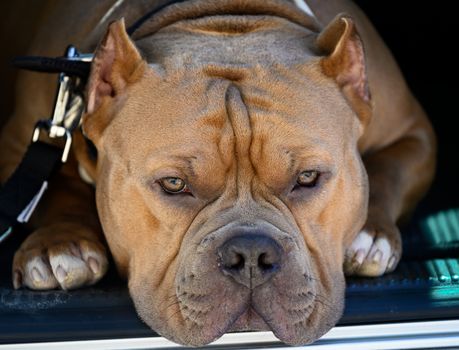
The American Bully’s heritage distinguishes it from many other breeds. Developed in the United States between the late 1980s and early 2000s, the American Bully was bred by combining traits from the American Pit Bull Terrier, American Staffordshire Terrier, and several Bulldog-type breeds. Unlike working or hunting breeds, the American Bully was specifically created as a companion animal—one designed to thrive on human interaction and family life.
.png)
According to the American Bully Kennel Club (ABKC), there are four recognized sizes: Pocket, Standard, Classic, and XL. The breed standard calls for a dog that is muscular, confident, and eager to please. American Bullies are known to be “people dogs,” seeking out human companionship and responding strongly to their owners’ moods and routines.
Fun Fact: In a 2022 survey by the United Kennel Club, 86% of American Bully owners rated their dogs as “very affectionate,” a higher rate than most other companion breeds.
For anyone considering this breed, it’s important to understand: American Bullies are not bred to be backyard dogs or independent watchdogs. Their emotional well-being depends on frequent, positive interaction with their people.
Social Lifestyles vs. Solo Living: Matching Your Routine
One of the most significant factors in determining if an American Bully is right for you is your social lifestyle. These dogs are highly people-oriented and rarely thrive in isolation. Here’s how different living situations can impact their well-being:
Busy Social Households: American Bullies excel in family environments or homes with multiple people around. Their affectionate nature means they’ll often want to be in the center of activity—joining movie nights, greeting visitors, or playing with children. Families who host frequent gatherings or have active home lives will find the American Bully a natural participant.
Solo or Quiet Households: For singles, remote workers, or those with quieter routines, an American Bully can still be a devoted companion—if you’re present and engaged. However, if you’re away for long stretches (like 10+ hours daily), loneliness and boredom can lead to anxiety or destructive behaviors. According to a 2023 study from the Journal of Veterinary Behavior, breeds with high social needs like the American Bully are 2.5 times more likely to develop separation anxiety than more independent breeds.
Travel and Flexibility: If your lifestyle includes frequent travel or unpredictable work hours, consider your support network. American Bullies form strong bonds and may not adapt well to changing caretakers or long kennel stays. Pet-sitting or dog-walking services can help, but consistency is key for their sense of security.
Home Environment: Space, Safety, and Neighborhood Considerations
American Bullies can adapt to a wide range of living spaces, but several home environment factors matter beyond simple square footage:
Space Requirements: While Bullies are not as high-energy as Border Collies or Huskies, they are still strong, muscular dogs. Even the smaller Pocket variety (13–17 inches at the shoulder) benefits from enough space to stretch, play, and move around. A securely fenced yard is ideal for daily play, but apartment dwellers can meet needs with multiple daily walks and interactive play sessions.
Noise and Activity: Their people-oriented nature means American Bullies often bark or become anxious if exposed to high levels of noise or unpredictable activity outside the home. Before choosing this breed, assess your neighborhood’s noise level, traffic, and the presence of other off-leash dogs.
Breed Restrictions: Sadly, American Bullies (often mistaken for pit bull breeds) may face restrictions in some rental properties, homeowner associations, or municipalities. According to DogsBite.org, as of 2023, over 700 U.S. cities have breed-specific legislation, and many insurance companies exclude “bully breeds” from coverage. Always check local regulations and your lease before bringing home an American Bully.
Time and Energy Commitments: More Than Just Walks
While American Bullies do not require marathon workouts, they do need regular engagement, both physically and mentally. Consider the following daily time commitments:
Exercise: The average American Bully will thrive on 45–60 minutes of activity per day, split between walks, play, and training. Lack of exercise can quickly lead to weight gain—according to a 2021 American Veterinary Medical Association report, 34% of Bullies are overweight, which can worsen joint and heart issues.
Training: This breed responds well to positive reinforcement, but consistent training is crucial. Early socialization (before 16 weeks) and ongoing obedience work are recommended. Plan for 10–15 minutes of structured training daily, especially in the first year.
Mental Stimulation: Without mental challenges, Bullies can become bored and destructive. Puzzle toys, agility courses, and interactive games are excellent outlets. A 2022 study by the Association of Professional Dog Trainers found that bully breeds who received at least 15 minutes of enrichment daily had 30% fewer behavioral complaints from owners.
Healthcare and Grooming: Beyond basic grooming, regular ear cleaning and skin checks are essential. Plan for monthly nail trims and weekly brushing, along with annual veterinary visits and health screenings.
Family Dynamics: Children, Seniors, and Other Pets
The American Bully is often praised as a family dog, but how they fit into your specific household depends on several factors:
Children: With proper supervision and training, Bullies are typically patient and gentle with kids. In a 2023 survey of American Bully owners, 94% reported positive interactions with children under 12. However, their size and strength mean accidental bumps can occur, so teaching children respectful dog behavior is essential.
Seniors: While affectionate and loyal, the breed’s strength may be challenging for seniors with limited mobility. The Pocket variety may be a better fit for older adults seeking companionship without the risk of being pulled over during walks.
Other Pets: Early socialization is key. American Bullies often do well with other dogs and cats if raised together, but may be less tolerant of same-sex dogs or unfamiliar animals. According to the American Temperament Test Society, Bullies pass temperament tests at a rate of 87%, but individual personality and training matter most.
Comparison Table: American Bully vs. Other Popular Companion Breeds
| Breed | Typical Size | Exercise Needs | Time Alone Tolerance | Best Suited For |
|---|---|---|---|---|
| American Bully | 30-120 lbs (Pocket to XL) | Moderate (45–60 min/day) | Low | Active families, engaged singles |
| Golden Retriever | 55–75 lbs | High (1–2 hrs/day) | Moderate | Active families, outdoor lovers |
| English Bulldog | 40–50 lbs | Low (20–30 min/day) | Moderate-High | Apartment dwellers, seniors |
| Miniature Schnauzer | 11–20 lbs | Moderate (30–45 min/day) | Moderate | Singles, couples, families |
Long-Term Considerations: Life Changes and American Bullies
Committing to an American Bully is a 10–12 year responsibility. Before deciding, ask yourself:
- Are you planning significant life changes (moving, children, career shifts) in the next decade? - Can you afford regular veterinary care, food (up to $70/month for large Bullies), and potential emergency expenses? - Do you have a support network for times when you’re away or ill? - Will you have the time and patience for training during adolescence, when Bullies can be especially stubborn?Fact: According to the ASPCA, over 23% of dogs surrendered to shelters are given up due to “lifestyle incompatibility”—not the dog’s fault, but a mismatch between breed needs and owner reality.
Being honest about your long-term plans is the best way to ensure a successful match for both you and your future pet.
Final Thoughts: Making the Right Choice for You and the American Bully
The American Bully is a breed with a big heart, a strong body, and an even stronger desire for human connection. They can adapt to many lifestyles, but not all. If you crave a loyal companion to share your daily life, have the time and energy for consistent engagement, and can provide a loving, stable environment, the American Bully may be an ideal fit. However, if your schedule is unpredictable, your living situation is in flux, or your ability to provide daily interaction is limited, it may be wise to consider other breeds or even wait until your circumstances change.
Choosing the right pet is a gift not just to yourself, but to the animal who will depend on you for their well-being. By honestly assessing your lifestyle and priorities, you set yourself—and your future American Bully—up for years of happiness and companionship.