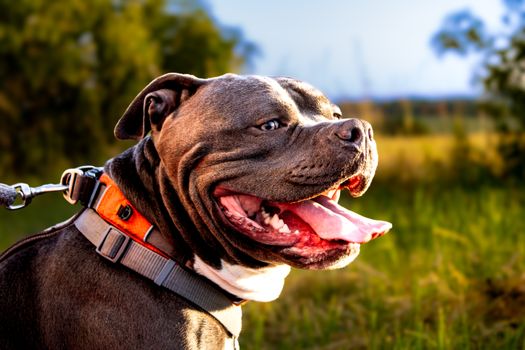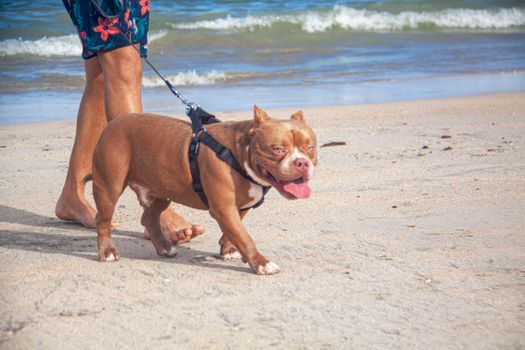
Caring for bully breeds—such as American Bullies, Staffordshire Bull Terriers, American Pit Bull Terriers, and related types—goes far beyond the basics of feeding and daily walks. These loyal, energetic, and often misunderstood dogs have unique needs that, when properly addressed, help them thrive as happy, healthy companions. Whether you’re a first-time bully breed owner or a seasoned enthusiast, understanding the essentials of their care is crucial to unlocking their best qualities and fostering a deep bond.
This comprehensive guide explores often-overlooked aspects of bully breed care, from mental stimulation and socialization to specialized exercise routines, home safety, and grooming. Read on for expert tips, practical advice, and the latest data on keeping your bully breed at their happiest and healthiest.
The Unique Needs of Bully Breeds: Understanding Your Companion
Bully breeds share a common ancestry and many physical traits—strong, muscular bodies, broad heads, and a zest for life. However, their needs are distinct from many other breeds and deserve special attention.
.png) 1. High Intelligence and Emotional Sensitivity
Bully breeds score high on intelligence tests and are quick to interpret human emotions. A 2020 study published in Applied Animal Behaviour Science found that bully breeds, especially American Staffordshire Terriers, outperform many other breeds in problem-solving tasks and emotional recognition. This sensitivity means they thrive on positive reinforcement and can become anxious if neglected or harshly disciplined.
2. Physical Strength and Energy
These dogs are built for action. The average adult American Bully can run up to 25 miles per hour and jump over 4 feet in a single leap. Their physical prowess means they need outlets for both energy and curiosity.
3. Social Reputation and Legal Considerations
Bully breeds often face breed-specific legislation (BSL) and housing restrictions. According to the American Veterinary Medical Association, over 700 cities in the U.S. have some form of BSL targeting bully breeds. Owners must be prepared to advocate for their dogs and ensure compliance with local laws.
1. High Intelligence and Emotional Sensitivity
Bully breeds score high on intelligence tests and are quick to interpret human emotions. A 2020 study published in Applied Animal Behaviour Science found that bully breeds, especially American Staffordshire Terriers, outperform many other breeds in problem-solving tasks and emotional recognition. This sensitivity means they thrive on positive reinforcement and can become anxious if neglected or harshly disciplined.
2. Physical Strength and Energy
These dogs are built for action. The average adult American Bully can run up to 25 miles per hour and jump over 4 feet in a single leap. Their physical prowess means they need outlets for both energy and curiosity.
3. Social Reputation and Legal Considerations
Bully breeds often face breed-specific legislation (BSL) and housing restrictions. According to the American Veterinary Medical Association, over 700 cities in the U.S. have some form of BSL targeting bully breeds. Owners must be prepared to advocate for their dogs and ensure compliance with local laws.
Understanding these unique characteristics is the first step to meeting your bully breed’s essential needs.
Mental Enrichment: The Secret to a Happy Bully Breed
Bully breeds crave mental stimulation as much as physical activity. Without it, they can become bored, destructive, or anxious. Here are proven ways to keep their minds engaged:
1. Puzzle Toys and Interactive Feeders Food-dispensing toys and puzzle feeders challenge their problem-solving skills and slow down fast eaters. Try rotating different toys weekly to keep things fresh. 2. Advanced Training and Trick Learning Beyond basic obedience, bully breeds excel at advanced commands and tricks. Canine sports like agility, rally obedience, and scent work are excellent outlets. The American Kennel Club reports a 45% increase in bully breed participation in dog sports over the past five years. 3. Scent Games and Hide-and-Seek Tap into their natural curiosity with scent-based games: hide treats around the house or yard and encourage your dog to find them. This taps into their hunting instincts and burns mental energy. 4. Social Playdates Organized play sessions with other well-matched dogs provide both social and cognitive benefits. Always supervise bully breed play, as their robust play style can overwhelm some dogs.Mental enrichment not only prevents behavioral issues but also deepens your relationship with your dog.
Exercise Essentials: Tailored Workouts for Bully Breeds
While every dog needs exercise, bully breeds require specific routines to match their physical capabilities and prevent injury.
1. Structured Walks and Leash Training Aim for at least two 30-minute walks daily. Use a sturdy, well-fitting harness rather than a collar to protect their necks and provide better control. 2. Muscle-Building Activities Bully breeds benefit from tug-of-war, fetch with weighted balls, and uphill hikes. These activities build lean muscle, which supports joint health and overall well-being. According to a 2022 survey by the Bully Breed Alliance, 78% of owners who incorporated muscle-building activities reported fewer joint problems in dogs over 5 years old. 3. Safe Off-Leash Play If local laws and your dog’s recall skills allow, secure off-leash time in a fenced area lets them burn off steam. Always supervise closely, especially around other dogs. 4. Avoiding Overexertion Despite their stamina, bully breeds can overheat due to their stocky build and shorter muzzles. Never exercise during extreme heat, and always carry water. Watch for signs of overheating: heavy panting, drooling, and glazed eyes.The following table compares suitable exercise activities for bully breeds versus other popular breeds:
| Activity | Bully Breeds | Labrador Retrievers | Border Collies |
|---|---|---|---|
| Leash Walks | Essential (2x daily, 30 minutes) | Essential (1-2x daily, 30-45 minutes) | Essential (2x daily, 45 minutes) |
| Muscle-Building Games | Highly Recommended | Optional | Less Important |
| Agility Training | Recommended | Recommended | Highly Recommended |
| Swimming | Optional (with caution) | Highly Recommended | Recommended |
| Scent Work | Recommended | Recommended | Highly Recommended |
Home Safety and Environment for Bully Breeds
Creating a safe and comfortable environment is especially important for bully breeds, given their strength and determination.
1. Secure Fencing Bully breeds are known escape artists. Fences should be at least 6 feet high with no gaps. Regularly inspect for weaknesses or digging spots. 2. Chew-Proofing Your Home These dogs have powerful jaws—more than 300 PSI bite force in some breeds. Invest in durable, non-toxic chew toys and avoid leaving shoes, electrical cords, or valuables within reach. 3. Safe Spaces for Downtime Create a cozy crate or bed in a quiet area. Bully breeds appreciate a den-like retreat, which can help reduce anxiety and overstimulation. 4. Child and Visitor Education Educate children and guests about safe interactions. Even the friendliest bully breed can be startled by rough handling or sudden movements. Supervise all child-dog interactions, as recommended by the American Humane Association. 5. Temperature Control Bully breeds can be sensitive to extreme temperatures. Provide shade and water outdoors, and avoid leaving your dog outside during heatwaves or cold snaps.Grooming and Skin Care: Keeping Your Bully Breed Healthy
While bully breeds often have short, easy-to-care-for coats, their skin and grooming needs require special attention.
1. Weekly Brushing A weekly brushing session removes loose hair and distributes natural oils. Use a soft rubber grooming mitt to avoid irritating their skin. 2. Bathing Bathe bully breeds every 6-8 weeks or as needed. Use gentle, hypoallergenic shampoos to avoid skin irritation—a common issue in these breeds. According to the American Kennel Club, up to 30% of bully breeds have sensitive skin or allergies. 3. Skin Fold Care Some bully breeds have facial or body wrinkles that can trap dirt and moisture. Clean these folds regularly with a damp cloth and dry thoroughly to prevent infection. 4. Nail and Ear Care Trim nails every 2-3 weeks and check ears for redness, odor, or debris. Regular ear cleaning with a vet-approved solution helps prevent infections. 5. Dental Health Brushing your dog’s teeth several times a week helps prevent dental disease, which affects an estimated 80% of dogs over age three.Nutritional Considerations for Bully Breeds
Proper nutrition fuels your bully breed’s energy and supports muscle development, skin health, and longevity.
1. High-Quality, Protein-Rich Diet Bully breeds benefit from diets with 25-30% protein and moderate fat content. Lean meats, fish, and quality kibble or wet food are excellent choices. 2. Weight Management Obesity is a common concern. A 2023 study by the Association for Pet Obesity Prevention found that 56% of bully breeds are overweight or obese, which increases the risk of joint problems and heart disease. Regularly monitor your dog’s weight and consult with your veterinarian for portion guidelines. 3. Supplements Omega-3 fatty acids support joint and skin health, while glucosamine and chondroitin can benefit older dogs or those with joint concerns. Always consult your vet before adding supplements. 4. Fresh Water Access Hydration supports muscle function and overall health. Ensure clean, fresh water is always available, especially after exercise.Final Thoughts on Dog Care Essentials for Bully Breeds
Caring for a bully breed is a rewarding journey that calls for commitment, knowledge, and a proactive approach. These dogs are more than their tough exteriors—they are sensitive, intelligent, and deeply loyal companions who thrive when their unique needs are met. By focusing on mental enrichment, tailored exercise, home safety, nutritional excellence, and special grooming care, you’ll unlock the very best in your bully breed and enjoy a long, joyful partnership.