The American Bully Breeding: An Overview
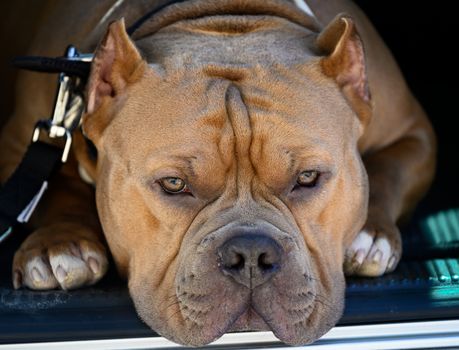
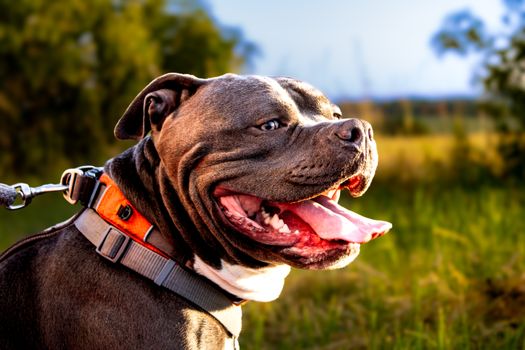
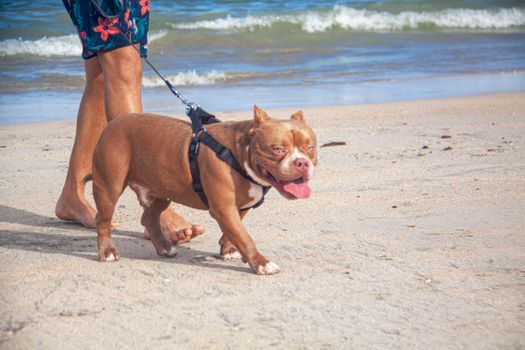
The American Bully has quickly risen in popularity across the United States and worldwide, admired for its muscular build, gentle temperament, and striking appearance. Behind every well-bred American Bully is a thoughtful, responsible breeding process that shapes the dog’s health, personality, and even its future as a companion or show dog. Whether you’re a newcomer to the breed, a potential breeder, or an enthusiast wanting to understand more about this unique canine, understanding American Bully breeding is essential. This article takes you behind the scenes of American Bully breeding, exploring its history, the diversity of bloodlines, ethical considerations, health implications, and the economics of breeding.
The Origins and Evolution of American Bully Breeding
To appreciate American Bully breeding today, it’s important to understand its roots. The American Bully breed originated in the United States in the late 20th century, with the explicit goal of creating a companion dog that maintained the muscular physique of the American Pit Bull Terrier and American Staffordshire Terrier, but exhibited a more stable, affectionate temperament.
Unlike their ancestors, which were often bred for work or sport, American Bullies were selectively bred for predictability in both appearance and behavior. Key milestones in the breed’s development include:
.png) - The first American Bullies appeared in the 1980s and 1990s, with breeders focusing on broad chests, blocky heads, and pronounced muscle mass.
- The breed gained official recognition from the American Bully Kennel Club (ABKC) in 2004, which set the initial breed standards.
- Since 2004, at least four main varieties have emerged: Pocket, Standard, Classic, and XL, each with distinct physical characteristics but similar temperaments.
- The first American Bullies appeared in the 1980s and 1990s, with breeders focusing on broad chests, blocky heads, and pronounced muscle mass.
- The breed gained official recognition from the American Bully Kennel Club (ABKC) in 2004, which set the initial breed standards.
- Since 2004, at least four main varieties have emerged: Pocket, Standard, Classic, and XL, each with distinct physical characteristics but similar temperaments.
Today, the American Bully’s gene pool is a blend of several breeds, carefully mixed to emphasize strength, health, and a family-friendly nature.
Bloodlines and Varieties: Understanding the Diversity
One of the most intriguing aspects of American Bully breeding is the array of bloodlines and varieties that have developed over the past few decades. Bloodlines are essentially family trees, with certain lines gaining fame for producing exceptional dogs in terms of structure, temperament, or show performance.
The four officially recognized American Bully varieties are:
| Variety | Height (inches) | Weight (pounds) | Main Features |
|---|---|---|---|
| 14-17 (male), 13-16 (female) | 35-60 | Compact, muscular, shorter than Standard | |
| Standard | 17-20 (male), 16-19 (female) | 65-85 | Balanced, muscular, meets ABKC breed standard |
| Classic | Same as Standard | Lower than Standard | Less bulk, more “old school” Pit Bull look |
| XL | 20-23 (male), 19-22 (female) | 80-120 | Larger, heavier, yet same temperament |
Some popular bloodlines within these varieties include Razor’s Edge, Gottiline, and Daxline, each with their own legacy and traits. For instance, Razor’s Edge dogs are known for their calm demeanor and solid build, while Daxline is famous for its pronounced muscle and distinctive head shape.
Ethical Considerations in American Bully Breeding
With the breed’s popularity comes an ethical responsibility. Sadly, the demand for American Bullies—especially those with exaggerated traits—has led to irresponsible breeding practices in some circles. Ethical breeders prioritize the health, temperament, and welfare of both the puppies and the breeding pair.
Key ethical considerations include:
- $1 Responsible breeders test for hereditary diseases such as hip dysplasia and heart defects. According to the Orthopedic Foundation for Animals, over 16% of American Bullies screened between 2010 and 2022 showed signs of hip dysplasia, underlining the importance of genetic checks. - $1 Puppies should be raised in a home environment, not in isolated kennels, to ensure proper social skills. - $1 Female Bullies should not be bred before 18-24 months old or more than once per year, to protect their health. - $1 Many ethical breeders provide written health guarantees and take back puppies if the new home doesn’t work out.Ethical breeding is about quality, not quantity. In fact, many reputable breeders only produce one or two litters per year, focusing on improvement of the breed rather than profit.
Health Implications and Challenges in Breeding
Breeding American Bullies isn’t just about matching two impressive dogs. It involves careful planning to avoid health pitfalls that can affect the dogs and their offspring. Some common health issues in the breed include:
- $1 Joint issues are prevalent in medium and large breeds, including Bullies. According to the OFA, hip dysplasia affects roughly 1 in 6 American Bullies. - $1 Congenital heart disease is a concern, with some lines predisposed to conditions such as aortic stenosis. - $1 Up to 20% of American Bullies may experience skin allergies, often linked to genetics.To mitigate these risks, breeders should:
- Screen both parents for genetic diseases. - Avoid breeding dogs with visible health issues or poor temperaments. - Use limited inbreeding to maintain genetic diversity while achieving desired traits.The cost of health testing for a breeding pair can range from $500 to $1,500, but these investments are vital to ensure healthy, thriving puppies.
The Economics and Realities of American Bully Breeding
A common misconception is that breeding American Bullies is a quick way to make money. In reality, responsible breeding can be costly and time-consuming. Consider these facts:
- The average cost to breed and raise a litter (including health testing, prenatal care, vaccinations, and initial vet visits) is between $3,000 and $7,000. - Top-quality puppies from champion lines can sell for $2,000 to $10,000 each, but this is offset by the costs and risks involved. - Unforeseen complications, such as emergency C-sections (which occur in about 25% of bully breed pregnancies due to large puppy size), can add $1,000 to $3,000 to expenses.Moreover, breeders must be prepared to care for any unsold puppies for months or even years, ensure homes are suitable, and provide ongoing support to buyers. Reputable breeders rarely see significant profits, as their focus remains on breed improvement and animal welfare.
How to Identify a Reputable American Bully Breeder
Whether you’re looking to buy a puppy or collaborate as a breeder, it’s crucial to recognize the hallmarks of a reputable breeding program. Here’s what to look for:
- $1 Reputable breeders welcome questions and openly share health records, pedigrees, and references. - $1 Membership in organizations such as the ABKC (American Bully Kennel Club) or UKC (United Kennel Club) is a good sign. - $1 They invite potential buyers to visit their facilities and meet the breeding dogs. - $1 Ethical breeders remain available for advice throughout the dog’s life. - $1 Breeders who focus on a few, well-planned litters tend to produce healthier, better-socialized puppies.Red flags include breeders unwilling to show health certifications, those with multiple litters always available, or those who sell puppies without contracts or interviews.
Final Thoughts on American Bully Breeding
The world of American Bully breeding is as fascinating as it is complex. Behind every impressive Bully is a story of careful planning, genetic stewardship, and a deep commitment to the breed’s future. Whether you’re considering breeding your own American Bully, looking to purchase a well-bred puppy, or simply curious about this breed’s journey, understanding the intricacies of breeding is vital.
Responsible breeding safeguards the health, temperament, and beauty of the American Bully for generations to come. As the breed continues to evolve, so too must our dedication to ethical practices, scientific advancements, and the well-being of these remarkable dogs.