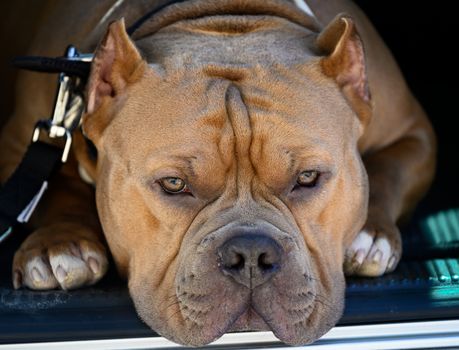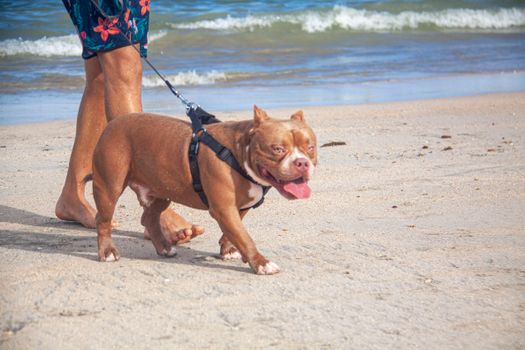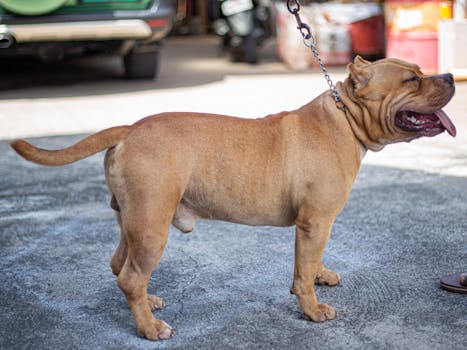
Welcoming an American Bully into your life is a decision that promises years of loyalty, companionship, and joy. Whether you’re captivated by their muscular build, gentle nature, or the growing popularity of this breed, selecting and raising an American Bully is a journey filled with unique considerations. From understanding the nuances of adoption processes to navigating the first months of training, your role as a responsible owner can make all the difference in your dog’s happiness and development.
This comprehensive guide is designed to walk you through every critical step, offering practical advice, revealing lesser-known facts, and ensuring you’re prepared for the rewarding responsibility of choosing and raising an American Bully.
The Appeal of the American Bully: Beyond First Impressions
The American Bully, a breed developed in the 1990s, has quickly won the hearts of dog lovers across the United States and around the globe. But what sets the American Bully apart from other breeds, and why is it becoming the companion of choice for families, singles, and enthusiasts alike?
.png)
First and foremost, American Bullies are celebrated for their even temperament. Despite their imposing appearance—broad shoulders, strong jaws, and a stocky build—these dogs are known to be affectionate, loyal, and highly sociable. According to the American Bully Kennel Club, over 85% of American Bullies that participate in temperament testing pass with flying colors, a rate notably higher than many other popular breeds.
Additionally, American Bullies are highly adaptable. They thrive in a variety of environments, from suburban homes with large yards to urban apartments, provided they receive adequate exercise and mental stimulation. Their short, glossy coats are low-maintenance, requiring only regular brushing and occasional bathing.
Yet, it’s important to recognize that American Bullies often face prejudice due to misconceptions associated with “bully breeds.” As an owner or adopter, you become an ambassador for the breed, helping to showcase their true, loving nature.
Adoption vs. Buying: Pathways to American Bully Ownership
When it comes to bringing an American Bully into your home, you’ll face two primary options: adoption or purchasing from a breeder. Each pathway presents distinct advantages and considerations.
Adoption is an increasingly popular route, with over 3.1 million dogs entering shelters in the U.S. each year, according to the ASPCA. Many American Bullies or Bully mixes end up in rescues due to changes in their owners’ circumstances rather than behavioral issues. Adopting from a shelter not only gives a dog a second chance but can also be more affordable, with average adoption fees ranging from $150 to $350. Rescue organizations often provide initial veterinary care, vaccinations, and spaying/neutering.
Purchasing from a reputable breeder, on the other hand, allows you to select a puppy with a known lineage and health history. This can be particularly important if you have specific preferences regarding appearance, size, or temperament. However, it’s essential to thoroughly vet breeders for ethical practices, health screenings, and a commitment to breed standards.
To help you compare these options, consider the following table:
| Factor | Adoption | Buying from Breeder |
|---|---|---|
| Cost | $150–$350 adoption fee | $2,000–$5,000 per puppy (average for quality breeders) |
| Health Information | May have limited history; often includes initial vet care | Full lineage and health screening provided |
| Availability | Varies; may need to wait for the right match | Predictable; can reserve or choose specific litters |
| Ethical Impact | Supports rescue efforts and reduces shelter overpopulation | Encourages responsible breeding when breeder is ethical |
| Age Options | Puppies, adults, seniors often available | Primarily puppies |
Ultimately, your choice should be guided by your lifestyle, values, and readiness to meet the unique needs of your future companion.
Preparing Your Home: Setting Up for Success
Before your American Bully arrives, taking the time to prepare your home is crucial to ensure a smooth transition. Unlike many smaller breeds, American Bullies are powerful and energetic—proper preparation can prevent accidents and create a secure environment.
Start by designating a comfortable sleeping area, such as a sturdy dog bed in a quiet corner. Invest in heavy-duty toys, as American Bullies are known for their strong jaws and love of chewing. According to a 2022 survey by the American Pet Products Association, dog owners spend an average of $75 per year on durable toys for medium and large breeds.
Safety is paramount. Puppy-proof your home by securing electrical cords, removing toxic plants, and storing chemicals out of reach. If you have a yard, ensure fences are at least six feet high and free of gaps, as Bullies are surprisingly agile. Install baby gates if you want to restrict access to certain rooms.
Don’t forget the essentials: food and water bowls (preferably stainless steel for hygiene), a collar and leash, ID tags, and an initial supply of breed-appropriate food. Consult your breeder or rescue on dietary recommendations, as American Bullies can be prone to food allergies or sensitivities.
The First Weeks: Bonding and Routine Building
The initial weeks after bringing home an American Bully are foundational for your lifelong relationship. This period is about more than just feeding and potty training—it’s your opportunity to establish trust, boundaries, and a sense of security.
Routine is your best friend. Set consistent times for meals, walks, play, and rest. American Bullies, like many breeds, thrive on predictability. According to research published in the Journal of Veterinary Behavior, dogs with established routines exhibit 25% fewer anxiety-related behaviors.
Socialization is equally vital. Gently expose your Bully to various people, pets, sounds, and environments. The American Veterinary Society of Animal Behavior recommends beginning socialization as early as eight weeks old to prevent fear or aggression issues later in life. Positive reinforcement—treats, praise, or a favorite toy—helps reinforce good responses.
Remember, patience is key. American Bullies are intelligent but can be stubborn. Avoid harsh corrections; instead, focus on redirecting unwanted behaviors and rewarding positive ones. Early investment in your bond pays dividends in loyalty and cooperation.
Training Strategies Tailored to American Bullies
Training an American Bully requires a blend of firmness, consistency, and compassion. While these dogs are eager to please, their strength means establishing control is essential from the outset.
Start with basic commands: sit, stay, come, and down. Short, frequent training sessions are more effective than long, repetitive ones—10-15 minutes, two to three times a day, is ideal for puppies. Use high-value treats to motivate, but rotate rewards to maintain engagement.
American Bullies benefit from mental stimulation as much as physical exercise. Incorporate puzzle toys, scent games, and basic agility exercises. According to the Canine Cognition Center at Yale University, breeds like the American Bully excel in problem-solving tasks, making them highly trainable with the right approach.
Importantly, American Bullies respond poorly to negative training methods. Forceful correction can erode trust and trigger defensive behaviors. Instead, use a reward-based system. If your Bully displays undesirable behavior, calmly redirect and praise when the behavior shifts.
Consider enrolling in a professional obedience class tailored for bully breeds. Not only does this reinforce your training efforts, but it also provides vital socialization opportunities with other dogs and people.
The Lifelong Journey: Health, Enrichment, and Community
Choosing an American Bully is not just about the first year—it’s a long-term commitment. With proper care, American Bullies can live 10 to 13 years. Sustaining their well-being requires ongoing attention to health, enrichment, and community engagement.
Regular vet checkups are essential. American Bullies can be predisposed to certain health issues such as hip dysplasia, skin allergies, and heart conditions. Spaying or neutering, dental care, and vaccinations are all critical components of responsible ownership.
Exercise needs vary based on age and individual temperament. While American Bullies enjoy lounging at home, they benefit from at least 60 minutes of moderate activity daily. This reduces the risk of obesity, a concern for the breed. According to the Association for Pet Obesity Prevention, 56% of dogs in the U.S. are overweight or obese—a statistic that highlights the importance of regular activity and portion control.
Enrichment goes beyond walks. Rotate toys, introduce new scents, and participate in canine sports or therapy dog programs if your Bully enjoys working with people. Many American Bully owners find fulfillment in joining breed clubs or participating in community events, helping to dispel myths and promote positive breed awareness.
Final Thoughts on Choosing and Raising an American Bully
Welcoming an American Bully into your family is a decision that will shape your life in profound and joyful ways. From carefully considering adoption versus buying, to preparing your home and embracing evidence-based training strategies, every step is an opportunity to deepen your bond and set your companion up for a happy, healthy life.
Remember, American Bullies are more than their strong appearance—they are affectionate, intelligent, and loyal dogs that thrive in homes committed to their well-being. With patience, knowledge, and compassion, you’ll not only enrich your own life but become an advocate for this remarkable breed.