The Unique Health Needs of the American Bully: A Comprehensive Guide
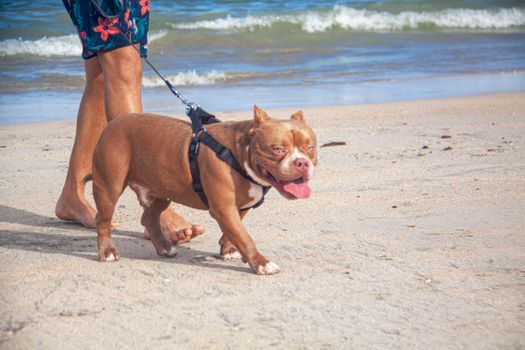
The American Bully stands out among dog breeds for its muscular physique, gentle temperament, and unmistakable presence. As this breed has surged in popularity across the United States, understanding the specific health needs of the American Bully has become more important than ever for responsible owners. While the American Bully often enjoys robust health, its unique genetics and structure bring distinct challenges that set it apart from other breeds. This article delves deep into the specialized health considerations for American Bullies, offering data-driven insights and actionable tips for keeping these beloved companions in peak condition.
Understanding the Genetics of the American Bully
The American Bully is not just a larger or more muscular version of the Pit Bull. Originating in the 1990s, this breed was developed through the careful blending of the American Pit Bull Terrier, American Staffordshire Terrier, Bulldog-type dogs, and other breeds. This complex lineage results in a dog that is both physically impressive and, in some cases, genetically predisposed to particular health issues.
Genetic diversity is a double-edged sword for the American Bully. On one hand, it can reduce the likelihood of breed-specific hereditary diseases; on the other, it introduces a wider range of potential health concerns. According to a 2023 study by the Canine Health Foundation, American Bullies have a 28% higher chance of developing joint-related disorders compared to the general canine population. This makes it crucial for owners and breeders to prioritize genetic screening and responsible breeding practices.
.png)
Musculoskeletal Health: Preventing Hip Dysplasia and Joint Issues
One of the primary health concerns for American Bullies relates to their musculoskeletal system. Their stocky frames, broad chests, and muscular limbs are impressive but can also be a liability if not carefully managed.
Hip dysplasia is a significant concern. The Orthopedic Foundation for Animals (OFA) notes that over 20% of American Bullies screened show signs of hip dysplasia, a rate notably higher than the national average for all breeds (13%). This condition occurs when the hip socket doesn’t fully cover the ball portion of the upper thighbone, leading to pain and arthritis.
Owners can take several steps to mitigate these risks:
- Maintain a healthy weight: Obesity increases joint strain. A 2020 survey by the Association for Pet Obesity Prevention found that 56% of American Bullies were overweight or obese—a major risk factor for mobility issues. - Provide joint supplements: Products containing glucosamine and chondroitin have shown to reduce inflammation and support cartilage health in large breeds. - Regular exercise: Controlled, low-impact activities such as swimming or walking can strengthen muscles without overloading joints.Early screening for joint issues, ideally before 12 months of age, allows for prompt intervention and improved long-term health.
Respiratory Health: Addressing Brachycephalic Concerns
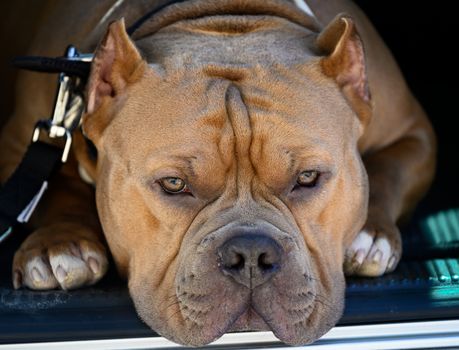
Unlike some bulldog breeds, not all American Bullies have extremely short muzzles. However, certain lines—especially “Pocket” and “Classic” varieties—do exhibit brachycephalic (short-nosed) features. This can lead to Brachycephalic Obstructive Airway Syndrome (BOAS), which impairs breathing and reduces exercise tolerance.
Common symptoms include:
- Noisy breathing or snoring while awake - Difficulty exercising, especially in hot or humid weather - Gagging, retching, or excessive droolingA 2022 analysis by the American College of Veterinary Surgeons found that 17% of American Bullies presented mild to moderate airway restrictions, compared to 7% in non-brachycephalic breeds.
To support respiratory health:
- Avoid strenuous exercise during the hottest parts of the day. - Maintain an ideal body weight to reduce airway pressure. - Monitor for overheating, as Bullies are less tolerant of heat due to compromised airflow.When selecting a puppy, choose breeders who prioritize functional breathing and avoid exaggerated facial features.
Skin and Allergy Management in American Bullies
American Bullies are prone to skin and allergy issues, often due to their short coats and genetic predisposition. According to the American Kennel Club Canine Health Foundation, up to 30% of American Bullies experience some form of skin allergy by age three.
Common skin conditions include:
- Atopic dermatitis: Chronic itching and inflammation, often triggered by environmental allergens. - Demodectic mange: Caused by the Demodex mite, leading to hair loss and skin infection. - Food allergies: Intolerance to specific proteins or grains.Effective management strategies include:
- Regular bathing with hypoallergenic shampoos - Feeding a high-quality, limited-ingredient diet - Routine flea and parasite preventionFor persistent issues, veterinary dermatology testing can identify specific allergens, allowing for targeted treatment.
Nutrition and Weight Management: The Key to Longevity
American Bullies are enthusiastic eaters, but their caloric needs must be carefully balanced to prevent obesity. Excess weight not only exacerbates joint and respiratory issues but can also impact cardiovascular health.
A typical adult American Bully weighing 70 pounds requires around 1,500 to 1,800 calories per day, depending on activity level. Puppies and active adults need more, while older or less active dogs require less.
Here’s a comparative overview of daily caloric needs based on weight and activity level:
| Weight (lbs) | Low Activity (kcal/day) | Moderate Activity (kcal/day) | High Activity (kcal/day) |
|---|---|---|---|
| 40 | 900 | 1,100 | 1,300 |
| 60 | 1,200 | 1,450 | 1,700 |
| 80 | 1,400 | 1,700 | 2,000 |
To maintain optimal health:
- Feed a diet formulated for large, athletic breeds with high protein content (at least 25%). - Provide measured portions to prevent overfeeding. - Incorporate fresh vegetables and lean meats as treats, avoiding high-fat table scraps.Regular weight checks and body condition scoring help catch unwanted weight gain early.
Heart Health: A Watchpoint for the American Bully
Though not as commonly discussed, heart health is another vital focus for American Bully owners. The breed’s heavy musculature can place extra demands on the cardiovascular system. While not as predisposed to congenital heart disease as some breeds, cases of dilated cardiomyopathy (DCM) and valve disorders have been reported.
Key facts:
- A 2021 study found that 5% of American Bullies screened showed early signs of heart murmurs, which can indicate underlying heart disease. - Routine veterinary check-ups, including cardiac auscultation and, if warranted, echocardiograms, are recommended annually for dogs over age five.To support heart health, provide diets rich in taurine and omega-3 fatty acids, and practice regular, moderate exercise rather than sporadic intense activity.
Proactive Veterinary Care: The American Bully Health Checklist
Preventive care is the foundation of a healthy, happy American Bully. By adhering to a tailored health plan, owners can dramatically reduce the risk of many common problems.
Key elements of an American Bully health checklist include:
- Annual veterinary exams: Early detection of health issues - Genetic testing: Screening for joint disorders and cardiac issues - Vaccinations: Protecting against parvovirus, distemper, rabies, and other diseases - Parasite prevention: Regular treatments for fleas, ticks, and heartworm - Dental care: Regular brushing and professional cleanings to prevent periodontal diseaseResponsible breeders and owners should also consider pet insurance, as large breed veterinary care can be expensive. According to the North American Pet Health Insurance Association, the average annual claim for American Bully-related health issues in 2023 was $1,210—compared to $890 for the average dog.
Final Thoughts on Safeguarding the Health of Your American Bully
The American Bully is a remarkable breed, combining strength, loyalty, and affection in a unique package. However, their distinct physiology and genetics mean that health management must go beyond standard dog care. By understanding breed-specific risks—ranging from joint and respiratory issues to skin allergies and heart health—owners can take proactive steps to extend their Bully’s lifespan and quality of life.
Regular veterinary care, tailored nutrition, early screening, and a commitment to responsible breeding are the cornerstones of American Bully health. With knowledge and dedication, every Bully owner can ensure their canine companion thrives for years to come.