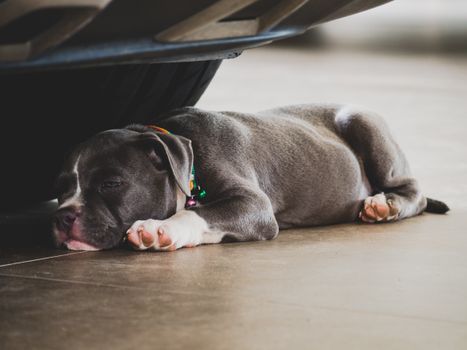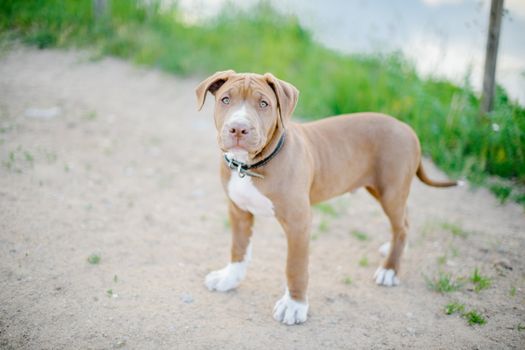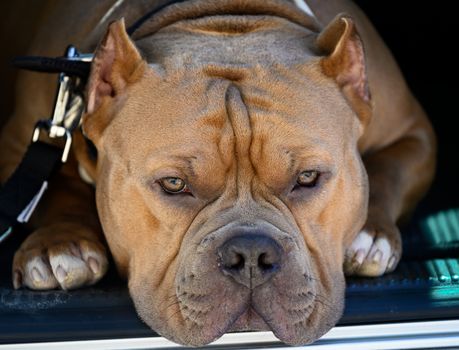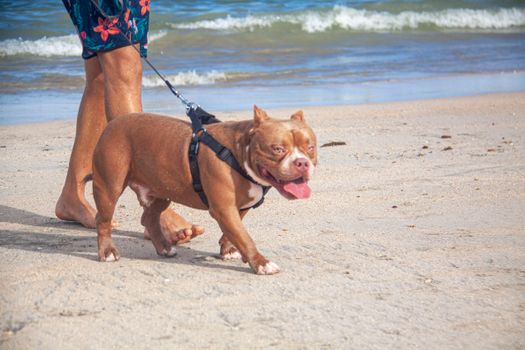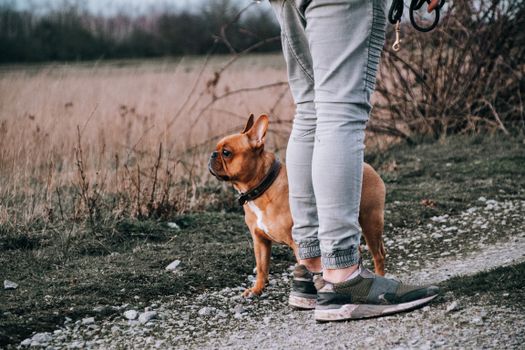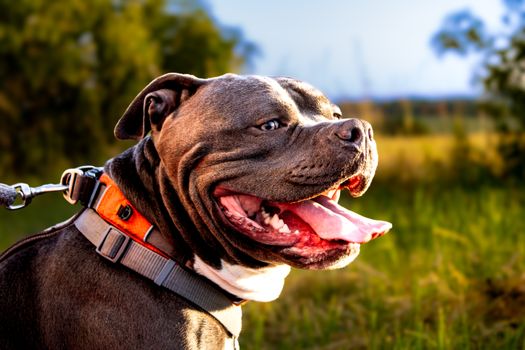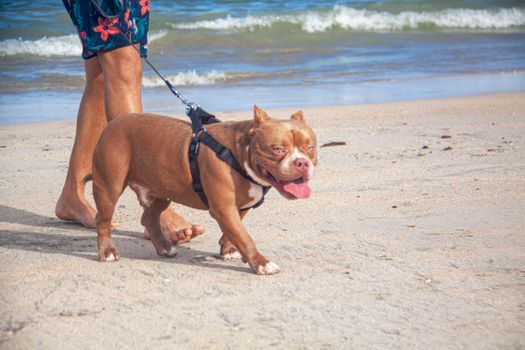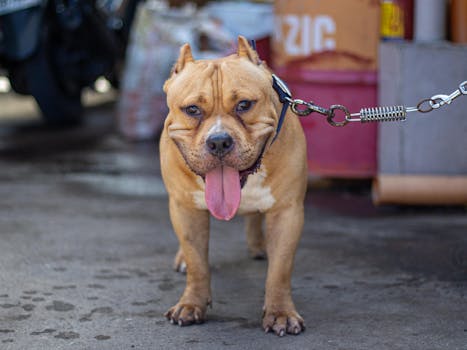
Welcoming a litter of American Bully puppies into the world is a rewarding experience, but it’s also fraught with unique challenges. The process of breeding American Bullies goes far beyond pairing two dogs; it’s a journey that demands dedication, expertise, and a true passion for the breed. Whether you’re a prospective breeder, a new enthusiast, or simply curious about what goes on behind the scenes, understanding both the trials and the triumphs of breeding American Bullies is essential.
The Intricacies of American Bully Genetics
One of the first hurdles in breeding American Bullies is mastering the genetics that shape this impressive breed. Unlike more established breeds with narrower gene pools, American Bullies exhibit a rich tapestry of physical and temperamental traits. This diversity is both a blessing and a difficulty for breeders.
American Bullies are categorized into several classes—Standard, Pocket, Classic, and XL—each with its own breed standards. For example, the XL class can reach up to 23 inches at the withers, while the Pocket class may be as short as 13 inches. These distinctions require careful selection of breeding pairs to achieve desired results.
.png)
Genetic health is another crucial consideration. Studies estimate that up to 28% of American Bullies may carry genetic markers for hip dysplasia, a condition that can severely affect quality of life. Responsible breeders invest in comprehensive genetic testing (such as Embark or OFA) to screen for issues like hip and elbow dysplasia, cardiac diseases, and skin allergies. However, these tests can cost $150–$350 per dog, adding significant expense to the breeding process.
The Demanding Nature of Breeding and Whelping
Breeding American Bullies is not as simple as bringing two dogs together. The female’s heat cycle needs to be closely monitored, and the optimal breeding window often lasts only a few days. Artificial insemination is sometimes necessary, especially when dealing with valuable studs or logistical constraints, and can cost up to $500 per session.
Once pregnancy is confirmed—usually via ultrasound at around 28 days—meticulous prenatal care is required. Pregnant females need specialized diets, additional veterinary checkups, and stress-free environments. The gestation period averages 63 days, but complications can arise. For example, American Bullies have a higher-than-average rate of needing C-sections due to their broad heads and shoulders, with C-section surgeries costing between $800 and $2,000.
Whelping, or the birth process, is a critical stage. Newborn puppies require round-the-clock attention for the first weeks of life. They need to be kept warm, weighed daily, and monitored for signs of distress or fading puppy syndrome, which can claim up to 15% of newborns if not promptly addressed.
Raising and Socializing the Next Generation
After surviving the initial hurdles of breeding and whelping, breeders face the ongoing challenge of raising well-adjusted puppies. The first eight weeks are pivotal for social and physical development. Puppies need exposure to a variety of sights, sounds, and gentle handling to reduce future fearfulness and aggression.
Vaccination schedules, deworming, and regular health checks are essential. According to the American Veterinary Medical Association, the first three rounds of vaccinations (at 6, 9, and 12 weeks) can total $150–$300 per litter. Socialization also involves introducing puppies to different people, safe outdoor environments, and basic crate training.
This period is also when breeders start evaluating puppies for conformation (how closely they match breed standards), temperament, and potential. This assessment helps match puppies with suitable homes, whether as family companions, show dogs, or future breeding stock.
The Emotional Investment and Ethical Dilemmas
Breeding American Bullies is as much an emotional journey as a logistical one. Each litter brings its own joys and heartbreaks. Losing a puppy or dealing with health complications can be devastating, even for seasoned breeders. The emotional toll is significant, and many breeders develop strong attachments to their puppies.
There are also ethical questions. For example, how does a breeder ensure that every puppy goes to a responsible home? The American Kennel Club estimates that around 3.3 million dogs enter U.S. shelters annually, some of which are purebred bullies from irresponsible or overwhelmed breeders. Reputable breeders often require contracts, background checks, and even home visits to vet prospective owners. Some provide lifetime support or take back dogs if owners can no longer care for them.
The decision to retire breeding dogs is equally emotional. Female bullies should generally not be bred more than three times, both for ethical and health reasons. Retiring dogs often become beloved family pets, but finding suitable homes for older breeding animals can be challenging.
The Rewards: Enhancing the Breed and Building Community
Despite these challenges, the rewards of breeding American Bullies can be profound. Responsible breeders play a pivotal role in improving the health, temperament, and conformation of the breed. For example, selective breeding has reduced the incidence of certain hereditary diseases in well-managed lines by up to 40% over the past decade.
Breeders also build lasting relationships with puppy families, forming a network of support and education. Many organize reunions, share training tips, and celebrate the achievements of their dogs in shows, sports, or therapy work.
Financial rewards are possible but often overestimated. While a well-bred American Bully puppy can fetch $2,000–$5,000, the costs of breeding, veterinary care, and proper socialization often leave breeders with only modest profits—or even operating at a loss when the welfare of the dogs is prioritized.
Below is a table summarizing some key differences between responsible and irresponsible American Bully breeding practices:
| Aspect | Responsible Breeder | Irresponsible Breeder |
|---|---|---|
| Health Testing | Comprehensive genetic screening | None or minimal screening |
| Puppy Socialization | Structured, ongoing socialization | Limited or none |
| Placement Process | Thorough screening of buyers | First come, first served |
| Lifetime Support | Offered, with return policy | None |
| Breeding Frequency | Limited to protect dam's health | Maximize litters for profit |
Navigating Regulation and Reputation in the Bully World
American Bully breeders must also contend with a complex web of regulations and public perception. Breed-specific legislation (BSL) can restrict ownership or breeding in certain cities and states. For instance, as of 2023, over 700 U.S. municipalities have some form of BSL affecting bully breeds. Navigating these regulations requires breeders to stay informed and sometimes advocate for the breed.
Reputation is everything in the bully community. With the rise of social media, word of mouth travels fast. One negative review or health incident can damage years of careful breeding and community-building. Conversely, positive testimonials and visible, healthy offspring can elevate a breeder’s standing, leading to long-term success and influence.
Final Thoughts: The Complex Journey of Breeding American Bullies
Breeding American Bullies is a demanding but deeply fulfilling path. From genetic selection to puppy placement, breeders face a mosaic of challenges—scientific, ethical, emotional, and logistical. Yet, those who approach breeding with commitment and care contribute immeasurably to the betterment of the breed and the lives of countless families.
The journey is not for the faint-hearted, but for those willing to invest the necessary resources, knowledge, and compassion, the rewards are evident in every healthy, happy, and well-adjusted American Bully that finds its forever home.