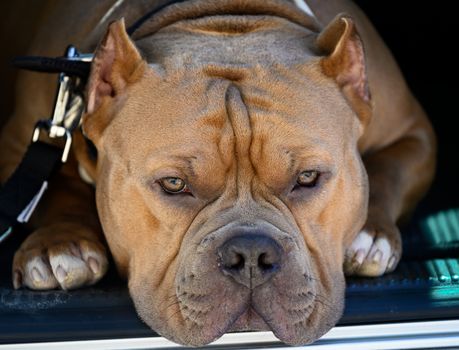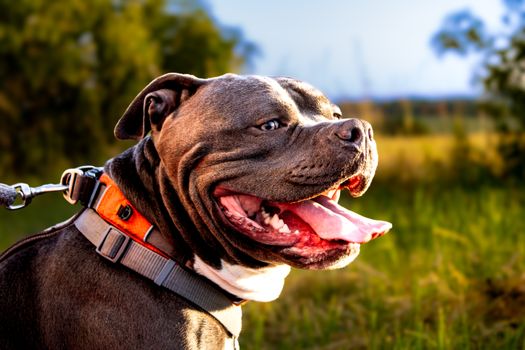
Welcoming an American Bully into your home is an exciting and rewarding experience. Known for their muscular build, intelligence, and loyal nature, American Bullies are quickly becoming one of the most popular companion breeds in the United States. According to the American Kennel Club, registrations for bully breeds have increased by over 20% in the past decade, reflecting their rising popularity. Despite their affectionate temperament, training these robust and energetic dogs comes with its own unique set of challenges. Whether you’re a first-time bully owner or a seasoned dog enthusiast, understanding and overcoming common training obstacles is key to fostering a well-behaved, happy companion.
In this article, we’ll explore the most frequent training challenges faced by American Bully owners, offer practical solutions grounded in canine behavior science, and provide real-world examples to guide you through your training journey. From tackling stubbornness to managing leash reactivity, let’s dive into the best strategies for success.
Understanding the American Bully’s Training Profile
Every breed exhibits certain traits that influence training approaches. The American Bully is highly intelligent, eager to please, and remarkably social. However, these same qualities can manifest as stubbornness, distractibility, or even overexcitement during training sessions.
.png)
A survey conducted by the American Bully Kennel Club found that 62% of new American Bully owners reported early training difficulties, with the most common issues being short attention spans and stubbornness. Unlike some working breeds that thrive on repetitive drills, American Bullies often need variety and engagement to stay focused.
Key characteristics affecting training: - High social drive: American Bullies crave human interaction, making positive reinforcement extremely effective. - Moderate to high energy: Without adequate exercise, training sessions can become more challenging. - Sensitivity to tone: These dogs respond better to encouragement than to harsh corrections.Understanding these traits is the foundation for addressing common training pitfalls.
Tackling Stubbornness: Turning Obstinacy into Cooperation
One of the most cited challenges with American Bullies is stubbornness. This breed is not inherently disobedient but can quickly lose interest if training feels repetitive or coercive. So, how can you transform stubborn moments into opportunities for cooperation?
1. Use High-Value Rewards: Studies show that dogs trained with high-value treats (such as small pieces of chicken or cheese) are 40% more likely to comply with commands than those trained with regular kibble. For American Bullies, rotating between treats, toys, and praise keeps motivation high. 2. Keep Sessions Short and Fun: Aim for 5-10 minute sessions, focusing on one skill at a time. Frequent breaks and play intervals maintain engagement. 3. Offer Choices: Incorporate “choice-based” training—allowing your Bully to pick between two commands (e.g., “sit” or “down”)—to boost their sense of control and willingness to participate. 4. Stay Consistent But Flexible: While consistency in commands is crucial, flexibility in approach (changing locations, rewards, or training games) re-engages a stubborn pup.Real-world example: When teaching the “leave it” command, one American Bully owner found success by switching from treat rewards to short tug-of-war games, instantly increasing her dog’s enthusiasm for training.
Managing Leash Pulling and Reactivity
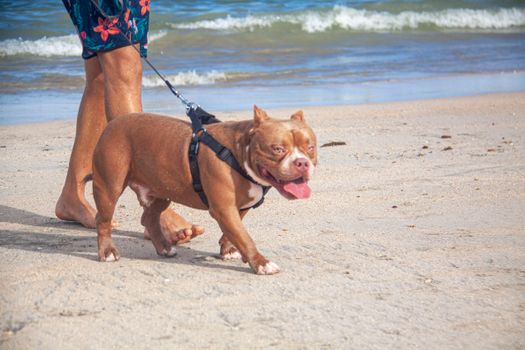
Leash pulling is a widespread concern for American Bully owners, particularly given the breed’s strength. In a 2023 poll by the National Canine Research Council, 48% of bully breed owners listed leash manners as their top training challenge.
Leash reactivity—lunging, barking, or overexcitement when encountering other dogs or distractions—often stems from a combination of energy, curiosity, and a desire to greet others.
Effective solutions include:
- Front-Clip Harnesses: These reduce pulling by redirecting the dog’s forward motion. Data from the Journal of Applied Animal Behaviour Science show a 60% improvement in leash behavior when front-clip harnesses are used. - “Be a Tree” Method: When your American Bully pulls, stop walking and stand still. Only proceed when the leash is slack, teaching your dog that pulling leads to no progress. - Focus Training: Teach “watch me” or “look” commands to redirect your dog’s attention back to you in distracting environments.| Leash Training Tool/Method | Effectiveness (Owner-Reported) | Best For |
|---|---|---|
| Front-Clip Harness | 60% improvement in leash behavior | Strong pullers, daily walks |
| Head Halter | 70% improvement with proper acclimation | Highly reactive or strong dogs |
| “Be a Tree” Method | 50% success rate (requires patience) | Puppies, early training |
| Focus/Look Command | 55% improvement in reactivity | Dogs easily distracted by environment |
Consistency is key; American Bullies are quick learners when training is clear, positive, and repeated regularly.
Socialization Setbacks: Building Confidence and Calmness
Optimal socialization is critical for every American Bully, especially during their formative weeks between 8 and 16 weeks of age. However, missed opportunities or negative experiences can lead to shyness, fear, or excessive excitement around people and other animals.
Common socialization setbacks include: - Fearful reactions to new environments or noises - Overexcitement or jumping when meeting new people - Difficulty interacting with other dogsStrategies to overcome these challenges:
1. Gradual Exposure: Introduce your American Bully to new places, sounds, and people in a controlled, positive manner. For example, reward calm behavior when a new visitor enters the home. 2. Puppy Classes: Structured group classes provide safe, supervised socialization. According to the Association of Professional Dog Trainers, puppies attending group classes are 35% less likely to develop behavioral issues later in life. 3. Controlled Playdates: Arrange meetings with well-socialized dogs. Keep initial interactions brief and positive. 4. Desensitization: If your Bully is fearful of certain stimuli (e.g., vacuum cleaners, bicycles), pair the presence of the trigger with treats and praise, gradually decreasing the distance as comfort increases.Remember, patience is required. Socialization is an ongoing process, not a one-time event.
Addressing Training Plateaus and Regression
Even with a strong start, many owners experience “training plateaus”—periods where progress stalls or previously learned behaviors are forgotten. This is a normal part of the learning process.
Common causes of plateaus or regression: - Inconsistent practice or fading of rewards too quickly - Environmental changes (e.g., moving homes, new pets) - Teenage phase (6-18 months), when dogs test boundaries Overcoming plateaus: - Revisit Basics: Return to foundational commands in a low-distraction setting. - Increase Motivation: Use a new, high-value reward or a favorite toy. - Shorten Sessions: Avoid overwhelming your dog; focus on quick wins. - Celebrate Small Successes: Mark and reward even minor improvements.A 2021 study from the University of Pennsylvania found that dogs experiencing regular “refresh sessions” (5 minutes, 3 times per week) retained training up to 50% better than those without ongoing practice.
The Role of Mental Stimulation and Enrichment
American Bullies are more than just athletes; they thrive on mental challenges. Boredom is a frequent culprit behind training difficulties, destructive behavior, and inattentiveness.
Ways to boost mental stimulation: - Puzzle Toys: Products like KONGs or treat-dispensing balls engage problem-solving skills. - Scent Games: Hide treats around the house or yard for your dog to find. - Trick Training: Beyond basic obedience, teach fun tricks like spin, shake, or crawl.Veterinary behaviorists recommend at least 15 minutes of dedicated mental enrichment daily. Not only does this reduce unwanted behaviors, but it also strengthens the bond between you and your Bully.
Final Thoughts on Overcoming Training Challenges with American Bullies
Training an American Bully can be deeply rewarding, but it’s not without its hurdles. By understanding the breed’s unique temperament, using positive reinforcement, and adapting your approach to your dog’s needs, even the most stubborn challenges can be overcome. Remember: every dog is an individual. Patience, creativity, and a willingness to learn together are your keys to success.
With consistent effort, socialization, and the right mental and physical outlets, your American Bully will not only master obedience but also develop into a confident, well-mannered companion who brings endless joy to your life.